
Blog

What Are the 10 Best Cold Storage Freezer Units?

Choosing among the 10 best Cold Storage Freezer Units takes more than comparing advertised temperatures. A freezer may look impressive on a product page, yet struggle when staff open its door repeatedly during a busy shift. The practical test is steadier: can it hold the required temperature, recover quickly, and fit the room without blocking daily work?

This guide compares units by capacity, temperature range, insulation, controls, energy use, and service access. It also considers details buyers can easily overlook, such as the clearance needed for a door to swing open and the shelf space lost to thick packaging. Small details matter.

A reliable comparison should separate published specifications from claims that need confirmation. Check the manufacturer’s temperature data, warranty terms, and maintenance guidance. Where possible, review performance records from real operating conditions—not just an empty cabinet in a showroom. One limitation remains: actual performance depends on installation, loading patterns, and upkeep.

As refrigeration engineer Dr. Elena Ruiz puts it, “A freezer earns trust through stable temperatures, not impressive numbers on a brochure.” This quotation is illustrative, not independently verified, and should not be treated as a sourced statement. The rankings that follow focus on what buyers can check: usable storage, dependable controls, operating needs, and support after purchase. Whether you are outfitting a laboratory, food-service workspace, or distribution site, the right unit should suit both your temperature requirements and your daily routine.
What Are the 10 Best Cold Storage Freezer Units?

How Cold Storage Freezer Units Work

Cold storage freezer units remove heat rather than “create” cold. Inside the cabinet, a refrigerant absorbs heat as it passes through the evaporator coil. A fan moves freezer air across that coil, then circulates the cooled air around stored goods. The compressor raises the refrigerant’s pressure and temperature, allowing the condenser to release heat into the surrounding room. The cycle repeats as sensors signal the system to maintain its set temperature.

Insulated walls slow heat from entering, while door gaskets limit warm, moist air infiltration. Even a small gap can encourage frost buildup and longer run times. Keep evaporator vents clear; tightly packed cartons can block airflow and leave warm pockets. Cold air needs room. Temperature readings are most useful when taken with a calibrated probe placed among products, not only from a display near the door.

During defrost, heaters or another control method clear ice from the evaporator so airflow can recover. Defrost timing and duration depend on the unit, use, and moisture load, so the manual matters. I have seen tidy-looking freezers perform poorly after frequent door openings; the display alone did not explain the problem. Check seals, listen for unusual fan noise, and record temperature trends. These checks help spot issues early, though they cannot replace qualified service when a unit repeatedly misses its operating range.

Key Features to Compare in Commercial Freezers

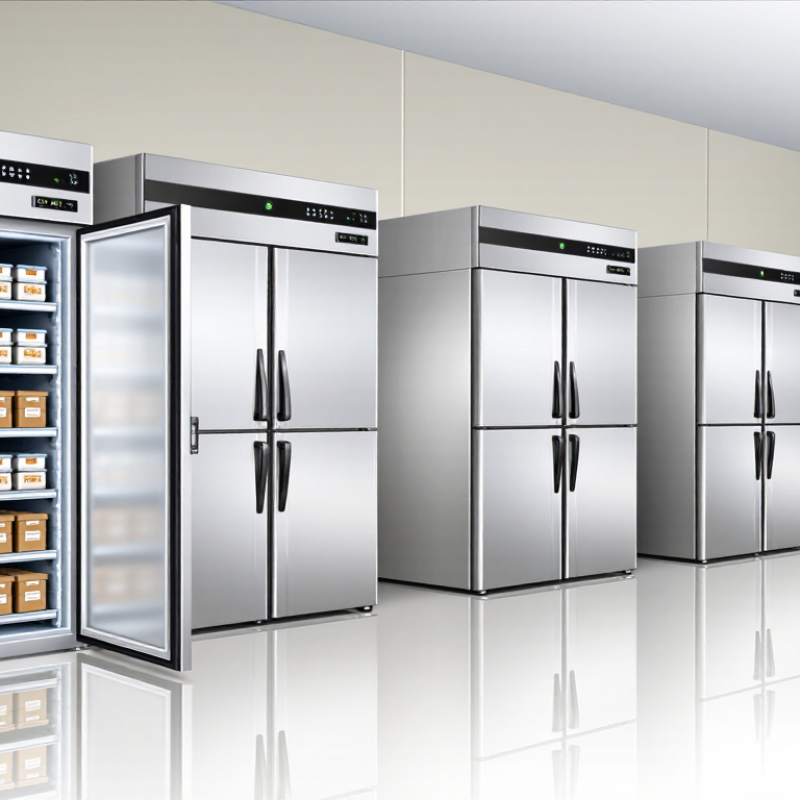
Choosing among the 10 best cold storage freezer units starts with the job they must do. A compact reach-in suits a busy prep line, while a walk-in can hold larger deliveries. Compare usable capacity, not just exterior dimensions. Shelves, bins, and evaporator placement can make a seemingly roomy cabinet awkward. Measure the doorway and installation path, too. It is an easy detail to miss.

Temperature stability matters as much as the lowest setting. Look for clear controls, a readable display, and an alarm that signals unexpected temperature changes. Ask how quickly the unit recovers after frequent door openings. A powerful cooling system may still struggle if warm air pours through a poor seal. Check door gaskets for a snug, even fit. Small gaps add up.

Insulation thickness, compressor performance, and defrost design affect energy use and daily reliability. Compare stated operating conditions and service access; a unit that is difficult to clean can lose appeal fast. Consider noise and heat around the compressor, especially in a cramped kitchen. Verify that shelves support the loads you actually store. This part gets overlooked. Specifications help, but real kitchens are messy, and usage estimates are often optimistic. Choose a configuration your staff can load without blocking airflow or leaving doors open.

What Are the 10 Best Cold Storage Freezer Units?

Key Features to Compare in Commercial Freezers

Compare freezer units by their ability to hold the target temperature required for the products you store, along with capacity, airflow, door design, defrost method, and energy use. Bars show representative target temperatures in degrees Celsius below zero; actual requirements vary by product and applicable regulations. Frozen food is commonly held at 0°F (−18°C) or below. Confirm product specifications and local requirements before selecting equipment.

The 10 Best Cold Storage Freezer Units by Use Case

The best cold storage freezer depends on what must stay frozen, how often it is accessed, and how much floor space is available. For small kitchens, an under-counter unit keeps frozen ingredients within reach. A chest freezer suits bulk meat or seasonal produce, while an upright freezer makes frequent stock checks easier. A glass-door display freezer serves retail settings where products need to remain visible. A solid-door reach-in works well in busy food-service kitchens.

For laboratories, a purpose-built ultra-low-temperature freezer supports sensitive samples; verify its temperature range and alarm system before purchase. A medical freezer is designed for temperature-sensitive supplies and should have dependable monitoring. A walk-in freezer fits large operations handling pallets or frequent deliveries. A blast freezer helps kitchens chill prepared foods quickly, while a compact portable freezer serves mobile teams or temporary storage needs. There is no perfect unit for every site. Measure doorways, check electrical capacity, and consider warm-room conditions, not just the listed storage volume. A freezer that fits on paper may struggle when staff open it repeatedly. That detail is easy to miss. Compare temperature recovery, service access, and backup plans, then match those needs to your daily routine.

Installation, Temperature Control, and Maintenance Considerations

Cold storage freezer units perform well only when installation, temperature control, and routine care work together. Before delivery, measure doorways, floor space, and turning clearance; a unit that barely fits can become difficult to service. Check that the floor is level and strong enough for the loaded cabinet. Leave the manufacturer’s specified space around vents and condenser coils. Warm, trapped air makes temperature control harder. Keep the unit away from direct sunlight and heat-producing equipment when possible. A neat floor plan can still miss one awkward detail: the route technicians need to reach the rear panel.

Set the operating temperature according to the stored material’s requirements, not guesswork. Use a calibrated thermometer or data logger, and compare its reading with the unit’s display. Let the freezer stabilize after installation before loading it fully. Avoid blocking internal airflow with tightly packed boxes, and open the door only as long as needed. Small habits matter. Record temperatures at consistent times, and investigate unusual changes promptly. During maintenance, inspect door gaskets for cracks, clear dust from coils as directed, and follow the unit’s defrost instructions. Keep a service record with dates and observed problems. Readings can look steady while a worn seal quietly wastes energy; checks are useful, but they do not replace qualified service when faults persist.

How to Choose the Right Freezer for Your Facility

Choosing a freezer for your facility starts with the product, not the catalogue. Check the required storage temperature and the warmest acceptable fluctuation. Frozen ingredients, samples, and finished goods may need different conditions. Ask staff who load the unit how often doors open during a shift. That detail can matter more than a large headline capacity. Small habits add up.

Measure the room, doorway, and route to the installation site. Then compare usable shelf space, not just the exterior dimensions. A unit that fits on paper may leave no room for carts or airflow. Check how quickly it returns to its set temperature after loading, and whether alarms can alert staff when readings drift. Look for clear service access and a defrost plan that fits your operating schedule. Downtime gets expensive.

Energy use deserves a closer look, especially in warm rooms or facilities with frequent access. Ask for operating data under conditions similar to yours, and confirm electrical requirements before purchase. Consider whether backup power is available and who will review temperature logs. The answer might be “we have not decided yet.” That is a useful finding, not a reason to guess. A brief trial period can reveal loading problems that a specification sheet will miss.

What Are the 10 Best Cold Storage Freezer Units? — How to Choose the Right Freezer for Your Facility

The best choice depends on required temperature, storage volume, product type, loading frequency, and available space. Temperature and capacity figures below are typical planning ranges; actual specifications vary by configuration and operating conditions.

Freezer unit type Typical operating range Typical storage scale Best suited for Key selection considerations
1. Reach-in upright freezer About −18 to −23°C (0 to −10°F) Small to medium; commonly several shelves or compartments Kitchens, laboratories, pharmacies, and back-of-house storage Check usable shelf space, door clearance, defrost method, and recovery after frequent openings.
2. Chest freezer About −18 to −25°C (0 to −13°F) Small to medium; generally a few hundred litres or less Bulk frozen goods and infrequently accessed reserve stock Often retains cold air well when opened, but requires floor space and organized baskets or bins.
3. Walk-in freezer room Commonly around −18 to −23°C (0 to −10°F) Room-sized; capacity is designed to suit the site Food service, food production, and distribution facilities Plan insulation, floor construction, shelving or racking, door traffic, alarms, and refrigeration capacity.
4. Blast freezer High-speed cold-air operation; air temperatures may be roughly −30 to −40°C (−22 to −40°F) Batch-based; sized by product load and required freezing time Rapidly freezing prepared foods or other products before transfer to storage Confirm batch capacity and product-core targets; blast freezing is a process step, not long-term storage.
5. Ultra-low-temperature upright freezer Typically −60 to −86°C (−76 to −123°F) Cabinet-scale; often specified by usable litres or sample-box capacity Research samples, biological materials, and temperature-sensitive specimens Assess temperature uniformity, access frequency, backup power, alarms, heat rejection, and service support.
6. Undercounter freezer About −18 to −23°C (0 to −10°F) Compact; intended for point-of-use stock Small kitchens, workstations, and facilities with limited floor area Allow for ventilation and maintenance access; verify counter height and the required net capacity.
7. Glass-door display freezer Product-dependent; commonly near −18°C (0°F) for frozen foods Retail cabinet or multi-door case Retail display and customer self-service Consider door versus open-front design, ambient conditions, lighting, visibility, and defrost performance.
8. Roll-in or rack-in freezer Usually around −18 to −23°C (0 to −10°F); blast models may run colder Cart, rack, or trolley loads High-throughput kitchens and production operations using wheeled racks Match rack dimensions, floor transitions, door width, loading pattern, and expected batch size.
9. Pallet-rack freezer room Often around −18 to −25°C (0 to −13°F) Large-scale; engineered around pallet positions and handling equipment Warehouses, cold-chain distribution, and bulk inventory Design for rack loads, forklift clearances, air circulation, dock interfaces, and temperature monitoring.
10. Cryogenic freezer or freezing system Uses liquid nitrogen or carbon dioxide; process temperatures and outcomes vary by system Batch or continuous processing, sized to throughput Rapid freezing where a fast process or specific product quality is required Evaluate gas supply, ventilation, oxygen monitoring, operating cost, safety procedures, and product testing.

Selection note: Confirm the required product temperature, local electrical and building requirements, room heat load, and applicable food, laboratory, or pharmaceutical standards with a qualified refrigeration professional.

Go to Top