10 Best Home Elevators for Global Buyers in 2026?
Choosing among the 10 Best Home Elevators for Global Buyers in 2026 requires more than comparing prices and polished showroom images. A suitable Home Elevators system should match the building structure, travel height, passenger capacity, climate, and local installation requirements. This guide examines traction, hydraulic, vacuum, and compact lift designs through practical buying factors. These include ride comfort, emergency lowering, door clearance, backup power, noise, maintenance access, and long-term operating costs. Small details matter. A narrow hallway can change the entire installation plan.
The selection process considers manufacturer specifications, installer experience, warranty terms, service availability, and reported ownership concerns where reliable information exists. It also recognizes that global buyers face different electrical systems, building codes, weather conditions, and accessibility expectations. A model performing well in a European townhouse may not suit a humid coastal villa or a retrofit apartment. Local expertise remains essential. Professional site surveys should confirm structural support, pit or shaft needs, ventilation, drainage, and safe evacuation procedures before purchase. No single elevator fits every home. That is the difficult part. Prices and delivery timelines may also change during 2026, so readers should verify current quotations and certification details directly with qualified suppliers. This overview aims to support careful decisions, not replace engineering advice. Some comparisons may remain imperfect because public data is not equally detailed across brands. That limitation deserves attention.
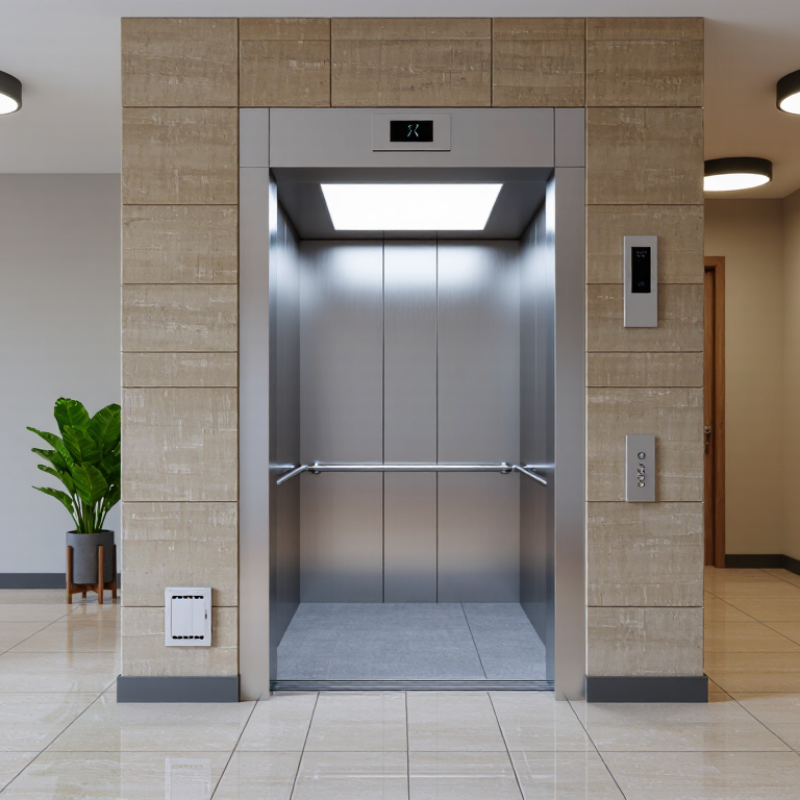
What to Know Before Choosing a Home Elevator in 2026
Choosing a home elevator in 2026 requires more than comparing glossy specifications. Begin with a measured site assessment. Record floor height, available shaft space, doorway width, and electrical capacity. Existing homes often hide uneven floors or narrow landings. These details can change the installation plan.
Safety should guide every comparison. Ask which local building codes and inspection requirements apply. Confirm emergency lowering, door interlocks, overload protection, and backup lighting. An independent lift engineer can review these points before purchase. That extra opinion may prevent an expensive mistake. Do not assume one design suits every climate. Humidity, dust, coastal air, and power interruptions affect equipment differently.
Compare hydraulic, traction, and platform systems by use, not fashion. Check rated load with a wheelchair, caregiver, or shopping bags included. Request clear maintenance intervals and written response times for repairs. Ask who supplies replacement parts after several years. A low purchase price can become costly without dependable service. It happens.
Inside the cabin, test the controls at standing and seated height. Look for gentle acceleration, useful handrails, bright lighting, and a door that remains open long enough. Smart monitoring can help, but the elevator should still operate safely during network failure. I would also question impressive noise claims without hearing a working unit. A quiet showroom is not a quiet bedroom wall. Local installers, documented testing, and transparent limitations are stronger evidence than polished advertising.
Which Home Elevator Types Suit Different Homes and Users
Home elevator choice should begin with the household, not the product brochure.
The United Nations World Social Report 2023 states that people aged 65 and older represented about 10% of the global population in 2022. That share may reach 16% by 2050. The World Health Organization also estimates that 1.3 billion people experience significant disability. These figures make accessibility a practical housing issue, not a luxury trend.
Hydraulic elevators suit spacious homes with room for equipment and a pit. They offer smooth travel, but installation can disturb floors and foundations.
Traction elevators work well in multi-level houses with frequent use and limited machine-room space. They usually need careful structural planning.
Vacuum elevators can suit compact renovations because they may require less construction. However, cabin size and noise can limit daily comfort.
Shaftless platform lifts fit short rises, split-level layouts, and wheelchair access. They are less suitable when residents need fast travel between several floors.
Not every lift fits.
A site assessment should check stair width, ceiling height, power supply, drainage, emergency lowering, and future mobility needs. Standards such as ASME A17.1/CSA B44 and EN 81-41 provide useful safety references, but local approval requirements still control the installation.
In practical projects, door clearance and turning space often matter more than advertised speed.
A costly mistake.
Buyers should request maintenance intervals, backup operation details, and a realistic service plan. The best type may change after a structural survey.
That is inconvenient, but safer.
How Safety, Accessibility, Design, and Technology Affect Your Choice
Choosing among the 10 best home elevators for global buyers in 2026 requires more than comparing speed and finishes. Safety should lead every decision. The CDC reports that more than one in four adults aged 65 and older falls each year. Look for emergency lowering, battery backup, obstruction sensors, handrails, and clear two-way communication. Standards such as ASME A18.1 and EN 81-41 provide useful benchmarks, but local inspection rules still matter. A certificate alone does not guarantee suitable installation.
Accessibility must match real daily routines. The World Health Organization estimates that 1.3 billion people experience significant disability worldwide. The United Nations projects that one in six people globally will be over 65 by 2050. Measure wheelchair turning space, door width, control height, and lighting before choosing a cabin. Fit matters more. A compact lift may save space, yet feel restrictive during transfers. Families should test controls with the intended user, not rely only on brochures.
Design and technology also shape long-term value. Choose quiet operation, stable leveling, non-slip flooring, and controls that remain usable during power interruptions. Remote diagnostics can identify faults early, but connectivity introduces privacy and maintenance questions. I would not assume every smart feature improves safety. Some interfaces look elegant but confuse older users. Ask for service response times, spare-part availability, total energy use, and documented maintenance intervals. These details often reveal more than polished specifications.
How to Assess Installation, Maintenance, Costs, and Local Regulations
A careful review of the 10 best home elevators for global buyers in 2026 should begin with the installation site, not the catalog. Measure the available shaft, pit, and overhead space. Older homes may need structural reinforcement, drainage work, or redesigned door openings. A qualified local engineer should inspect load paths and electrical capacity before any deposit is paid. Measure twice.
Installation rules vary by country and sometimes by municipality. Confirm permit requirements, fire separation, accessibility dimensions, electrical certification, and emergency access with the local authority. Do not rely only on a supplier’s international statement. Written approval matters. Local inspection records can also protect resale value and insurance coverage.
Compare the full cost, not just the equipment price. Ask for separate figures covering delivery, construction, wiring, taxes, testing, and future repairs. A transparent quote should identify exclusions. Maintenance deserves equal attention. Check service intervals, response times, replacement-part availability, battery testing, and manual rescue procedures. A maintenance agreement may seem expensive, but a neglected lift can become unsafe and unusable. Ask who will attend a nighttime fault.
I would also request references from homes with similar climates and building conditions. Humid coastal air, dust, freezing temperatures, and unstable power can change performance. A backup power system may be necessary, but it needs regular testing. Some assumptions will be wrong after walls are opened; budgets should include a contingency of around 10–20 percent. That is not elegant, but it is realistic.