2026 Top Double Hose Clamp Features and Benefits You Need?
In the world of plumbing and industrial applications, the Double Hose Clamp is a critical component. Manufacturers worldwide are expected to produce over 500 million units annually, according to recent industry inspections. These clamps are not merely accessories; they provide essential solutions for connecting and securing hoses. Their design ensures a tight fit, reducing leaks and enhancing safety.
Understanding the features and benefits of the 2026 Top Double Hose Clamp is vital for engineers and maintenance professionals. A well-designed clamp can improve lifespan, handle varying pressures, and resist corrosion. However, not all clamps meet these standards. Many in the market do not adhere to industry specifications, which can lead to failures.
Professional assessments reveal that proper installation and selection of these clamps is crucial. A poorly chosen Double Hose Clamp can lead to costly downtime and safety hazards. Investing in high-quality clamps is a decision that reflects on overall project reliability and performance. Emphasizing excellence in these choices can dramatically influence operational efficiency.
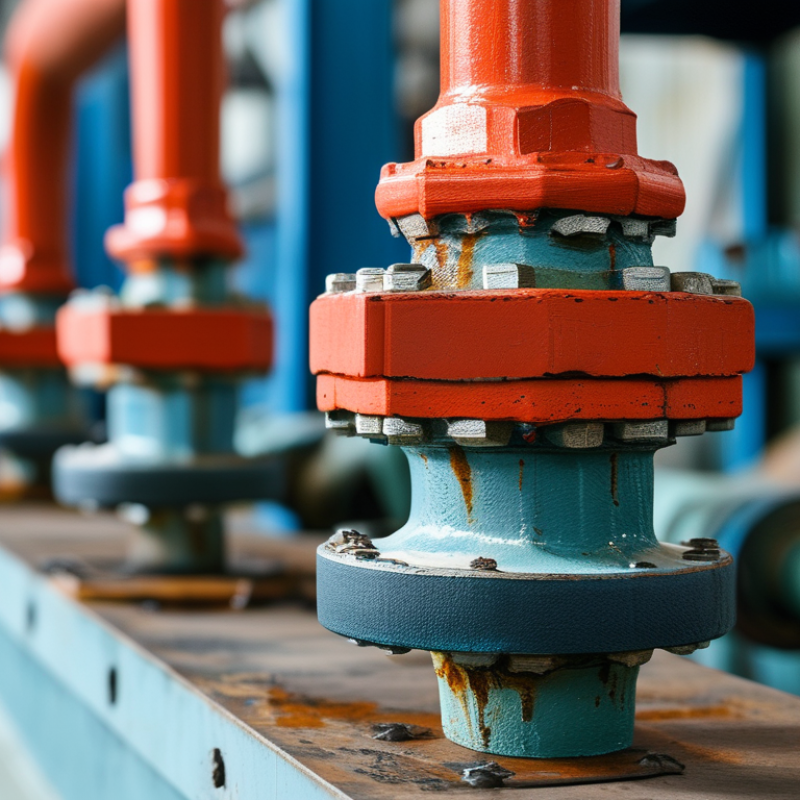
Top Features of Double Hose Clamps for Secure Connections
When securing hoses in various applications, double hose clamps stand out. These clamps provide exceptional grip and stability. Their design features two bands that evenly distribute pressure. This prevents leaks and ensures connections remain tight under pressure. Many users find the added security reduces the risk of accidents due to hose failures.
One key feature is adjustability. Users can fine-tune the tightness for different hose diameters. This versatility makes them suitable for various environments, from automotive to plumbing. Another benefit is their corrosion resistance. Many materials used in double hose clamps withstand moisture and chemicals. This durability is crucial in extending the lifespan of both the clamp and the hoses.
However, not all double hose clamps are created equal. Choosing the right size and type requires careful consideration. Some may find that incorrect installation leads to slippage. Taking the time to learn about proper use can save future headaches. Overall, understanding double hose clamps enhances reliability in connections. Users can trust that their hoses will perform as intended with the right clamps in place.
Key Benefits of Using Double Hose Clamps in Various Applications
Double hose clamps play a vital role across various industries, notably in automotive, plumbing, and manufacturing. According to a report by the Industrial Hose Association, double hose clamps provide a superior grip on hoses compared to single clamps. This increased gripping ability minimizes the risk of leaks, ensuring a secure and reliable connection under pressure.
The robust design of double hose clamps accommodates a range of hose sizes and materials, making them versatile for different applications. Studies indicate that improperly secured hoses can lead to losses exceeding 20% in operational efficiency. The unique construction of double clamps promotes even tightening, reducing the chances of kinking or damaging the hose. Some users report that although double clamps can be more challenging to install than their single counterparts, they pay off in long-term reliability.
Furthermore, double hose clamps often withstand extreme temperatures and pressures better than other fastening options. This durability makes them essential in high-stakes environments, where failure is not an option. However, some might overlook their maintenance, leading to rust or corrosion over time. Regular inspections are advisable to ensure these clamps remain effective.
2026 Top Double Hose Clamp Features and Benefits You Need
| Feature | Benefit | Application |
| Versatile Design | Fits a variety of hose sizes and materials | Automotive, plumbing |
| Durable Materials | Resistant to corrosion and weathering | Industrial applications |
| Easy Installation | Quick and simple to install and remove | Home repair, DIY projects |
| Consistent Clamping Pressure | Prevents leaks and ensures secure connections | Fluid transfer systems |
| Cost-Effective | Reduces the need for frequent replacements | Agricultural equipment |
Comparison of Materials Used in Double Hose Clamps
When examining double hose clamps, the materials used play a crucial role. Common materials include stainless steel, plastic, and rubber. Each material has unique characteristics. For example, stainless steel provides strength and resistance to corrosion. It's often used in demanding environments. However, it may not be suitable for all applications due to its rigidity.
Plastic clamps are lighter and often less expensive. They offer versatility in terms of size and shape. While they can resist certain chemicals, they may not endure high temperatures. Rubber, on the other hand, offers flexibility and can create a tight seal. It's perfect for situations that require adaptability. Some applications might benefit from using a combination of these materials for enhanced performance.
Choosing the right material is essential. It impacts not only the longevity of the clamp but also its effectiveness. Not all materials will perform well in every scenario. This inconsistency can be frustrating. Understanding the environmental conditions can guide the choice of material. Decision-making can be complex, and sometimes, trial and error is necessary.
Installation Tips for Optimal Performance of Double Hose Clamps
When installing double hose clamps, proper technique is key to ensuring optimal performance. One essential tip is to select the right size clamp for your hoses. A clamp that is too tight can damage the hose, while one that is too loose can lead to leaks. Carefully measure the diameter of your hoses before choosing your clamps.
Additionally, it's crucial to align the clamp evenly around the hose. An uneven clamp not only risks leaks but may also cause uneven pressure distribution. Make sure the clamp is positioned snugly and avoid over-tightening, which can create stress points. Remember, the goal is a secure fit without compromising the hose's integrity.
Regular inspection is vital. Over time, clamps can loosen due to pressure changes. Check them periodically to maintain secure connections. If you notice any wear or corrosion, it's wise to replace the clamps. Using high-quality materials can also enhance reliability. Simple adjustments in the installation process can make a significant difference in the long-run performance of your double hose clamps.
Common Misconceptions About Double Hose Clamps and Their Uses
Double hose clamps are essential in various applications, yet misconceptions abound. A prevalent belief is that these clamps provide an airtight seal for all hoses. However, studies indicate that while they offer a firm grip, their effectiveness largely depends on hose material and environmental factors. In 2021, a report by the American Society of Mechanical Engineers highlighted that improper installation reduces their sealing capacity by up to 30%.
Another common misconception is that double hose clamps are only suitable for high-pressure systems. Data from the Fluid Power Journal suggests otherwise, showing that over 40% of users apply them in low-pressure settings. Many assume that uniform sizing suffices for different applications, ignoring that differences in diameter and material can affect performance. This oversight can result in frequent leaks, which adds to maintenance costs and safety hazards.
Understanding these misconceptions is crucial for effective use. Awareness can help in choosing the right clamp for each scenario. Attention to details such as installation techniques and specific requirements can lead to better outcomes. A survey conducted in 2022 revealed that industries implementing better training on hose clamp usage saw a 25% drop in failure rates. Knowledge and proper application are key to maximizing the benefits of double hose clamps.