What is a 3 Phase Transformer and How Does it Work?
A 3 Phase Transformer plays a crucial role in electrical power systems. It efficiently transfers electrical energy across varying voltages. Understanding its structure and function can enhance our knowledge of electrical engineering.
In essence, a 3 Phase Transformer consists of multiple windings around a core. This design allows for balanced load distribution. The transformer converts high voltage to low voltage, or vice versa, depending on the need. Its ability to deliver consistent power is vital in industrial applications. The efficiency is significant, but losses can still occur during operation.
Real-world applications showcase the transformer’s importance. In manufacturing, it empowers machinery, ensuring seamless operations. Yet, not all transformers perform the same; some require constant monitoring for optimal efficiency. Understanding these nuances can lead to better energy management. There’s always room for improvement in design and function. Overall, a 3 Phase Transformer serves as a backbone in modern power systems.
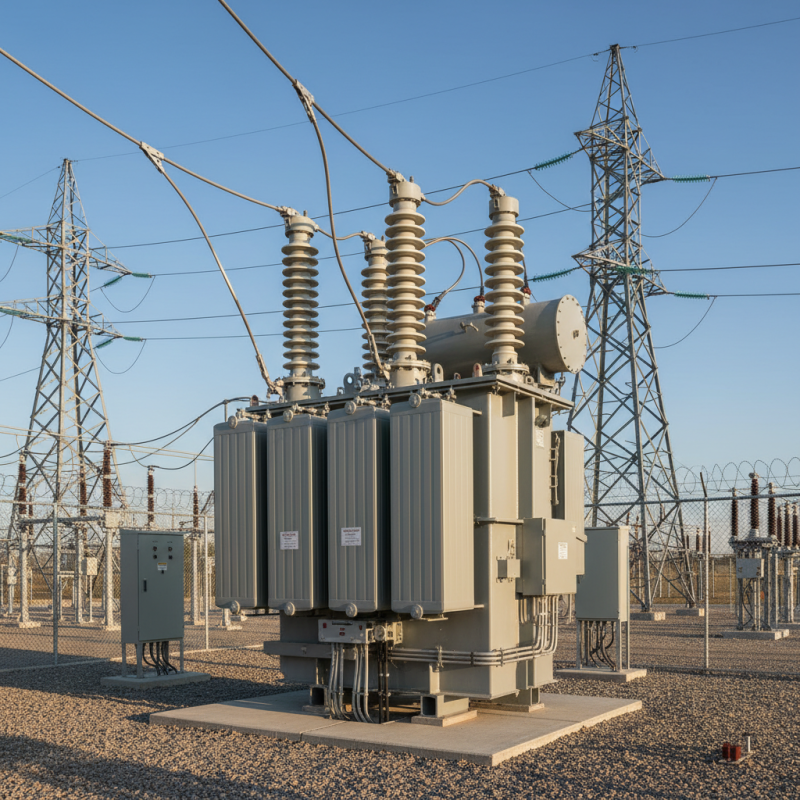
What is a 3 Phase Transformer?
A three-phase transformer is an essential component in electrical power systems. It is designed to transfer electrical energy between three-phase circuits. Unlike single-phase transformers, a three-phase transformer can handle higher loads efficiently.
These transformers consist of three sets of windings, which can be connected in different configurations. Common connections include delta and wye arrangements. Each winding works together to provide a stable and balanced output. This is crucial for industrial applications where machinery requires consistent power.
While they are efficient, three-phase transformers can have drawbacks. Installation and maintenance can be complex. Improper connection can lead to performance issues. Regular inspections are necessary to ensure optimal performance. Understanding these nuances can help prevent costly failures. A three-phase transformer is vital for modern electrical grids, but care and expertise are required for effective use.
Basic Components of a 3 Phase Transformer
A 3 Phase Transformer is essential in industrial applications. It transforms electrical energy between different voltages. Understanding its components can help you appreciate its function.
The core of a 3 Phase Transformer is central. It guides the magnetic flux between coils. The coils are divided into primary and secondary sets. They are wound around the core. This arrangement helps in efficient voltage transformation. Insulation materials separate the coils. These materials prevent short circuits and ensure safety.
Tips: Ensure proper installation to avoid overheating. Regular maintenance checks can extend the transformer's life. Be mindful of the load capacity to prevent inefficiencies.
The tank houses the transformer components. It is filled with insulating oil. This oil cools the system and provides insulation. Cooling fins may be added for enhanced heat dissipation. Lastly, protective devices, like circuit breakers, safeguard against overloads.
Understanding these components can reduce operational risks. Reflect on how your installation aligns with standard practices. Consider the importance of thorough inspections regularly.
What is a 3 Phase Transformer and How Does it Work? - Basic Components of a 3 Phase Transformer
| Component | Function | Material | Typical Specifications |
| Core | Provides a path for magnetic flux | Silicon Steel | Thickness: 0.35 mm |
| Windings | Transmits electrical energy | Copper or Aluminum | Turns Ratio: 1:1 |
| Insulation | Prevents short circuits and handles electrical stresses | Polyester or PVC | Voltage Rating: 1 kV |
| Tank | Houses the core and windings; provides cooling | Steel | Dimensions: 2m x 1m x 1m |
| Cooling System | Maintains operational temperature | Mineral Oil | Cooling Capacity: 500 kW |
Principle of Operation for 3 Phase Transformers
A three-phase transformer is a crucial component in electrical systems. Its primary function is to step up or step down voltage levels. This transformer operates using three alternating currents, which provide a constant power flow. Three-phase transformers enhance efficiency and reduce energy losses in transmission.
The principle of operation revolves around the magnetic field interaction between the primary and secondary windings. When alternating current flows through the primary winding, it generates a magnetic field. This field induces a voltage in the secondary winding. The three-phase design allows for smaller and lighter transformers compared to single-phase models. Each phase contributes to the overall stability and efficiency.
Tips: Regular maintenance is vital for transformers. Ensure there is no overheating or unusual noise during operation. Always monitor insulation resistance to prevent failures.
Another point to consider is balancing the load across phases. Unbalanced loading can lead to inefficiency and potential transformer damage. Proper load distribution is essential for optimal performance and longevity.
Applications of 3 Phase Transformers in Industry
Three-phase transformers play a crucial role in various industrial applications. They enable efficient power distribution in large-scale operations. Industries such as manufacturing, oil and gas, and mining rely heavily on these transformers for their electrical needs. Their ability to handle high loads makes them invaluable.
In manufacturing, three-phase transformers convert high voltage into usable levels. This transformation is critical for machinery that requires precise power levels. A reliable transformer ensures that equipment runs smoothly. In oil and gas, three-phase transformers manage power for extraction and processing equipment. This reduces downtime and enhances productivity.
Additionally, mining operations benefit significantly from three-phase transformers. They provide robust and consistent power to heavy machinery. However, selecting the right transformer can be challenging. Factors like load requirements and efficiency need careful consideration. The complexity can lead to potential oversights for those unfamiliar with electrical systems. Investing in proper training and support is essential. It ensures that industries make informed choices about their transformer needs. If not, they may face operational inefficiencies.
Advantages of Using 3 Phase Transformers Over Single Phase
Three-phase transformers offer significant advantages over their single-phase counterparts. In commercial and industrial applications, their efficiency shines. They can deliver power more effectively, reducing energy losses. Often used in three-phase systems, these transformers provide a balanced load, enhancing overall system performance.
Another important benefit is their ability to handle larger loads. This is essential in manufacturing and large facilities, where single-phase transformers may struggle. The three phases contribute to a smoother and more continuous power supply. This results in less wear and tear on equipment and a reduction in maintenance costs.
While three-phase transformers are more complex, the advantages they provide are compelling. They allow for smaller wiring and transformer sizes for the same power rating. However, the initial investment can be higher. Users must weigh these costs against the long-term savings. Adopting three-phase transformers requires careful analysis, but the potential benefits are clear.
Three Phase Transformer Efficiency Comparison
This bar chart illustrates the efficiency comparison between single-phase and three-phase transformers. As shown, three-phase transformers generally operate at a higher efficiency, making them more advantageous in industrial applications.