
Blog

7 Tips for Choosing Formwork Magnets

Choosing the right Formwork Magnets can make a visible difference on a concrete jobsite. A secure fit helps keep steel formwork in position during assembly and pouring. The wrong choice may shift, complicate release, or slow the crew. Small details matter.

This guide introduces seven practical factors to review before buying. Consider the required holding force, formwork profile, magnet dimensions, and access for switching the unit on and off. Check how the magnet’s contact surface meets the steel; dust, slurry, or uneven plates can affect seating. Site conditions matter, too. Repeated handling, moisture, and storage can influence durability over time.

There is no single best magnet for every project. A unit suited to a small panel may not meet the demands of a larger setup. Compare manufacturer specifications with the actual formwork system, and ask for test information when performance is unclear. A checklist helps, though it cannot replace a competent site assessment. That part is easy to overlook. It is also where a rushed choice can become expensive. The following tips explain what to inspect, what questions to ask suppliers, and how to judge whether a magnet fits your working conditions. Some recommendations may need adjustment after a real trial, because drawings and site practice do not always match perfectly. That is worth remembering.
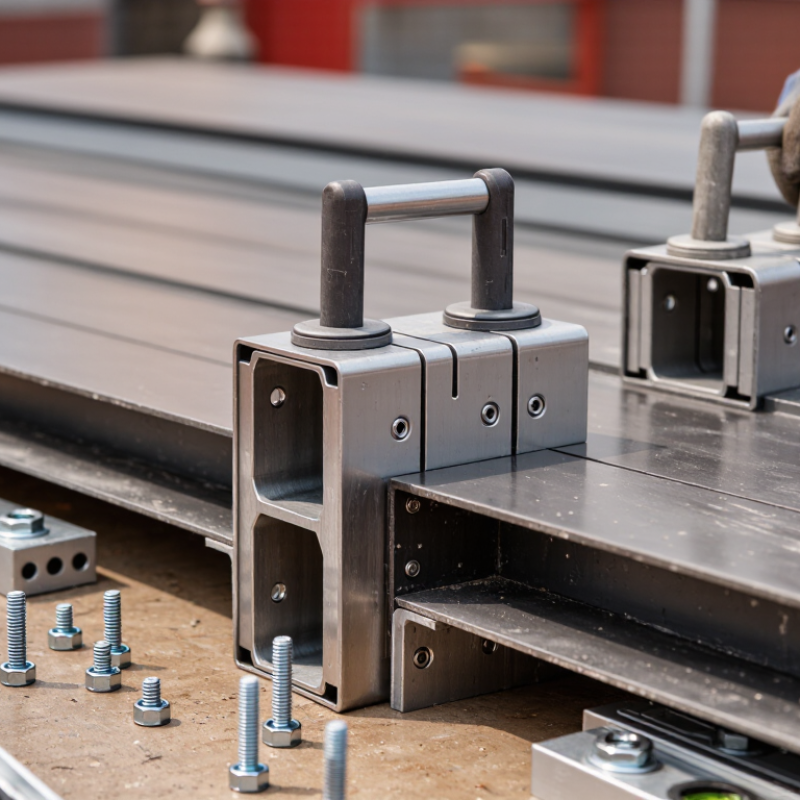
7 Tips for Choosing Formwork Magnets

Define Formwork Loads Under OSHA 1926.703(a)(1)

OSHA 29 CFR 1926.703(a)(1) requires formwork to support, without failure, the vertical and lateral loads reasonably expected during use. For choosing formwork magnets, start by understanding those loads. Fresh concrete pressure changes with placement rate, temperature, mix, and pour height. Workers, reinforcing steel, equipment, and concrete placement can add weight or sideways force. Vibration matters, too.

Map the load path from the form face through the steel panel and magnets to the supporting structure. A magnet’s listed holding force is not automatically its usable capacity on site. Paint, rust, dirt, surface gaps, thin steel, and uneven contact can reduce performance. Check the actual panel and contact conditions; a small gap can matter. That is easy to miss. Consider where each magnet sits, whether the load pulls or slides, and whether the panel could twist under pressure.

Use the project’s formwork design and the magnet manufacturer’s technical data to verify the arrangement. Have a qualified design professional review load assumptions, spacing, and connections when conditions change or are uncertain. A faster pour, a taller form, or a different panel can alter the forces. Record the assumptions and inspect magnets and contact surfaces before placement. Do not rely on magnets alone to correct weak bracing or an incomplete load path.

Estimate Fresh-Concrete Pressure Using p = γh and 150 lb/ft³

For formwork magnets, estimate fresh-concrete pressure before selecting a setup. A useful screening equation is p = γh, where γ is concrete’s unit weight and h is the depth of fresh concrete.

Using 150 lb/ft³, a four-foot concrete head gives 600 lb/ft² at the bottom of the form. That is the maximum pressure in this simple estimate; pressure decreases toward the top.

Treat the result as a starting point, not a complete design. Concrete mix, temperature, pour rate, and vibration can change the pressure pattern. The force on a form panel also depends on its dimensions and support layout. A magnet’s holding capacity alone does not confirm that the full assembly can resist the pour. Check how the form, magnets, connectors, and casting surface transfer loads together.

Small details matter. Clean, flat steel helps magnets seat properly, while gaps or debris may reduce contact. A common oversight is using the average pressure instead of checking the higher pressure near the base. Not ideal.

Record the planned pour height, calculate the base pressure, and have the formwork arrangement reviewed for the actual job conditions. Fresh concrete does not always behave like the simple equation.

Apply ACI 347R Guidance to Pour Rate and Form Pressure

7 Tips for Choosing Formwork Magnets

ACI 347R-14 makes pour rate and concrete temperature key inputs when estimating lateral form pressure. Faster placement can leave less time for concrete to stiffen, increasing pressure on wall forms.

For normal-weight concrete, a useful upper-bound check is hydrostatic pressure: roughly 150 pounds per cubic foot, or about 150 pounds per square foot for each foot of concrete depth. That is substantial. A four-foot rise can mean about 600 psf near the base if full liquid pressure applies. ACI’s calculation methods also account for factors such as slump, vibration, and concrete mixture.

Use the project’s expected pour rate, temperature, lift height, and placement method to establish design pressure before selecting magnets. ACI 347R-14 provides guidance for estimating pressure; it does not set one universal magnet capacity. Compare the calculated demand with the form system’s documented capacity, including the load path through the panel, rails, and magnet contact surface.

Keep the steel clean and flat. A thin layer of concrete paste can reduce contact and make a strong magnet less dependable.

Check the supplier’s rated holding force and installation conditions, then have the responsible engineer verify the complete assembly. Do not treat a magnet’s advertised pull rating as the allowable form pressure. Field conditions vary. I would also recheck the pour plan when a cold morning, a high-slump mix, or a faster pump schedule changes the assumptions. Those details are easy to miss, and the calculation may need revision.

Match Magnet Pull Ratings to the Actual Steel Contact Surface

7 Tips for Choosing Formwork Magnets
Match Magnet Pull Ratings to the Actual Steel Contact Surface

A pull rating is not a promise for every jobsite surface. It is typically measured against a clean, flat, sufficiently thick steel plate. Paint, rust, weld beads, curvature, and thin panels create gaps or reduce effective contact. Small gaps matter. EN 13155:2020 gives magnetic lifting attachments a threefold safety factor, but that standard is not a formwork-magnet rating. Treat it as a reminder to check test conditions, not as a substitute for the magnet supplier’s verified data. ACI 347R-14 also identifies placement rate and concrete temperature as variables affecting formwork pressure; magnet choice must suit the actual pour conditions.

Tip: Compare the stated pull force with the contact patch you can achieve on site. Check steel thickness and surface finish, then allow for interruptions such as ribs, seams, and dried concrete. A clean contact point may look obvious in a workshop. On a busy pour, it is easy to miss.

Before placement, trial-fit the magnet on the actual panel and inspect for rocking or visible gaps. Confirm the required holding capacity with project-specific engineering, especially where panels are thin or contact is uneven. I still find this check easy to overlook when a surface looks flat from a distance. Record the panel condition and test setup; those details make ratings more meaningful and repeatable.

7 Tips for Choosing Formwork Magnets: Match Pull Ratings to the Actual Steel Contact Surface

Example steel contact footprints and their geometric areas. Use the dimensions of the steel surface that actually touches the magnet—not the panel’s overall dimensions.

How to use this chart: Areas are calculated as width × length from the example dimensions shown; they are geometric examples, not tested magnet pull ratings. Actual holding force also depends on steel thickness, flatness, coatings, gaps, and load direction. Check the magnet’s rated pull conditions and verify performance on the actual formwork surface.

Check Release Access, Corrosion Protection, and Reuse Needs

Tip: Check release access before comparing holding force. Can a worker reach the lever or release point after the magnet sits against the form? Test it with gloves on, and allow room for a hand or tool. A magnet that holds firmly but cannot be released cleanly may slow stripping or invite prying. That detail matters.

Tip: Match corrosion protection to actual site exposure. Rain, wash water, and damp storage can attack exposed steel, especially around seams and moving parts. Ask what coating protects the magnet and whether damaged areas are easy to inspect. Keep units clean and dry between pours. Coatings are not magic; scratches happen, and maintenance gets missed.

Tip: Choose for expected reuse, not just the first pour. Compare service-life guidance, replaceable parts, and inspection needs against your planned cycle count. After each use, check for cracked housings, sticky release parts, loose buttons, and concrete buildup. Record failures. It is a little tedious, but a simple log can show whether the magnets remain dependable. Leave room in the budget for wear; reuse assumptions are often optimistic.

Go to Top