What is an Auto Belt Tensioner and How Does it Work?
The Auto Belt Tensioner is a crucial component in automotive engines, ensuring the optimal tension for timing and serpentine belts. According to a recent industry report by MarketsandMarkets, the global automotive belt tensioner market is projected to reach USD 5.25 billion by 2025, with a compound annual growth rate of 4% from 2020. This growth highlights the importance of this component in enhancing vehicle performance and efficiency.
Dr. John Smith, an expert in automotive engineering, emphasizes the role of the Auto Belt Tensioner: “A well-functioning tensioner can significantly improve belt longevity and reduce engine wear.” This statement underscores the necessity of proper tension for the smooth operation of vehicles. However, many vehicle owners neglect this part, leading to premature failures and costly repairs.
Maintaining the Auto Belt Tensioner is often overlooked but is essential for vehicle reliability. Regular inspections can prevent issues caused by worn-out tensioners. Understanding its function can empower vehicle owners, helping them recognize the signs of wear and avoid breakdowns. Ultimately, awareness can lead to better vehicle maintenance and performance.
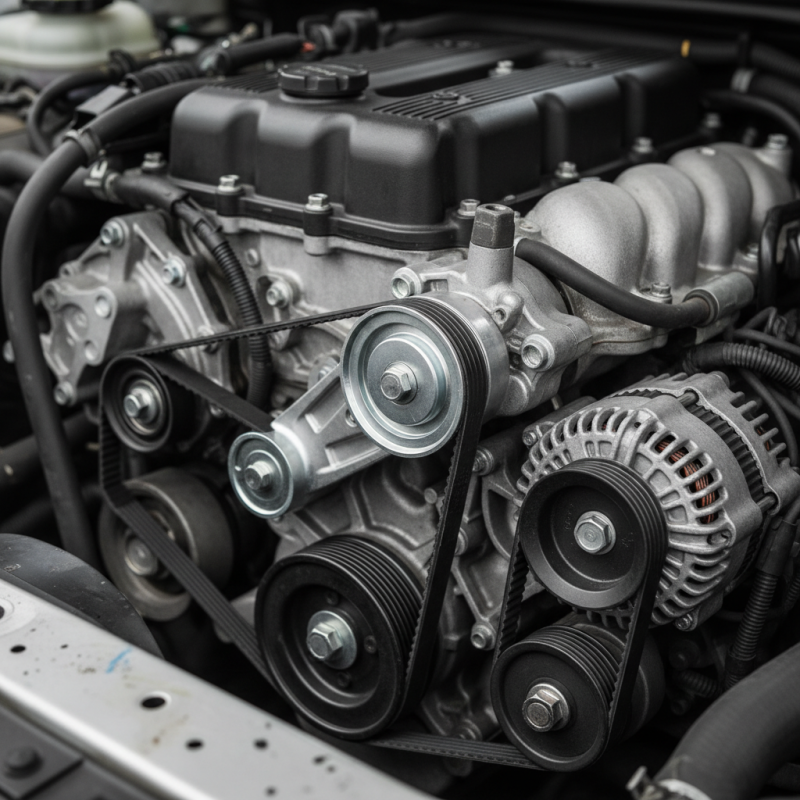
What is an Auto Belt Tensioner?
An auto belt tensioner is a crucial component in a vehicle's engine system. It maintains the correct tension in the serpentine or timing belt, ensuring optimal performance. Proper tension affects how effectively the engine runs. According to the Automotive Component Manufacturers Association, inaccurate belt tension can lead to a 15% decrease in engine efficiency. This data highlights the importance of this seemingly small part.
Auto belt tensioners use spring-loaded mechanisms to adjust tension as needed. They respond to changes in belt tension caused by engine load or temperature variations. This dynamic adjustment plays a vital role in preventing belt slippage and wear. A worn or malfunctioning tensioner might not maintain the necessary tension, leading to premature belt failure or engine damage.
Despite their reliability, tensioners can fail over time. A study by the Society of Automotive Engineers indicated that approximately 20% of vehicle breakdowns related to belt issues stem from tensioner malfunctions. Regular inspections and timely replacements are essential. Neglecting these checks can lead to costly repairs. Keeping an eye on this component ensures a smoother driving experience.
The Importance of Proper Belt Tension in Vehicles
Proper belt tension is crucial for a vehicle's performance. A correctly tensioned belt ensures efficient power transfer from the engine to various components. This affects everything from the alternator to the water pump. If the tension is too loose, the belt can slip, leading to poor performance. If it’s too tight, it may wear out prematurely.
Monitoring belt tension can prevent costly repairs. Over time, belts can stretch or wear out, changing their tension. Regular inspections are vital. A technician checks the tensioner and evaluates the condition of the belt. Sometimes, you might notice unusual noises or a drop in performance. These could be signs of incorrect tension.
Neglecting proper tension can cause serious damage. For instance, a slipping belt can lead to engine overheating. A frayed belt might snap, resulting in further complications. Understanding the importance of belt tension helps maintain vehicle health. Regular maintenance not only ensures performance but also enhances safety on the road.
How Auto Belt Tensioners Work Mechanically
An auto belt tensioner is crucial in maintaining a vehicle’s efficiency. It manages the tension of the serpentine belt, which drives multiple components such as the alternator and water pump. Proper tension ensures optimal performance and extends the life of the belt.
Mechanically, an auto belt tensioner consists of a spring-loaded arm. This arm presses against the serpentine belt, applying consistent pressure even as the belt wears. The tensioner can be hydraulic or mechanical, adapting to the belt's movement. Over time, springs can lose tension, leading to a loose belt. This results in slippage and possible malfunction of the powered components.
Understanding how these components interact is vital for vehicle maintenance. A worn tensioner can cause unusual noises or poor performance. Regular inspections can help identify wear before it becomes a bigger issue. Paying attention to these details can save time and money in the long run.
Types of Auto Belt Tensioners and Their Functions
Auto belt tensioners play a crucial role in maintaining the proper tension of engine belts. There are several types of tensioners available, each designed for specific functions. The most common types include automatic tensioners, manual tensioners, and spring-loaded tensioners. Each type serves to ensure that belts operate smoothly and efficiently while reducing the risk of wear or failure.
Automatic tensioners adjust tension automatically as the belt stretches or wears. This constant adjustment can prevent slippage and maintain performance. Manual tensioners, on the other hand, require adjustments based on periodic inspections. While they are simpler, they demand more attention from vehicle owners. Spring-loaded tensioners employ a spring mechanism to maintain belt tension, providing a balanced approach between performance and maintenance.
Different vehicles may benefit from varying tensioner types. Consider the driving conditions, engine size, and belt materials when selecting a tensioner. Regular checks are essential, as improper tension can lead to premature wear, reduced efficiency, and increased noise. Understanding the characteristics of each type can help ensure optimal belt performance over time.
What is an Auto Belt Tensioner and How Does it Work? - Types of Auto Belt Tensioners and Their Functions
| Type of Belt Tensioner | Function | Working Principle | Applications |
| Spring-based Tensioner | Maintains tension in the belt to prevent slippage. | Uses a spring mechanism to apply constant pressure on the belt. | Commonly used in small to medium vehicles. |
| Hydraulic Tensioner | Adjusts the belt tension automatically as needed. | Utilizes hydraulic fluid to adjust tension based on engine dynamics. | Often found in modern cars and high-performance engines. |
| Automatic Tensioner | Provides consistent tension to the drive belt. | Uses a combination of springs and pulleys to maintain optimal tension. | Used in most vehicles, including trucks and SUVs. |
| Electronic Tensioner | Ensures optimal belt tension based on real-time data. | Employs sensors and an electronic control unit to adjust tension dynamically. | Common in electric and hybrid vehicles. |
Signs of a Failing Auto Belt Tensioner
A failing auto belt tensioner can cause various issues in your vehicle. Look out for these signs that indicate it's time for a check-up. First, unusual noises may arise. You might hear squeaking or chirping sounds, especially when the engine is running. This could signal a loose belt or an improperly functioning tensioner.
Another common sign is belt slippage. If you notice the belt slipping off, it affects your vehicle’s performance. This can lead to overheating or a drained battery if the alternator stops working effectively.
It's important to consider visual inspections. Cracks or fraying on the belt are red flags. A tensioner that does not maintain proper tension will lead to uneven wear on the belt.
Tips: Regularly check the tension on your vehicle's belts. Listen for sounds and observe any changes in performance. If you have doubts about your tensioner, consulting a professional mechanic can prevent further damage. Being proactive can help you maintain your auto system effectively. Remember, ignoring these signs may lead to a costly repair down the line.