What is Pvc Insulated Copper Tube Benefits and Applications?
The Pvc Insulated Copper Tube is a versatile component in various industries. According to Dr. Emily Roberts, an expert in material science, "The right insulation can significantly enhance the efficiency and durability of copper tubes." This insight reflects the importance of choosing appropriate materials, such as PVC, to optimize performance.
Manufacturers utilize PVC insulated copper tubes in refrigeration, air conditioning, and plumbing. The insulation protects the copper from corrosion and environmental damage. It aids in maintaining temperature and efficiency. Thus, these tubes are reliable for long-term use, even in tough conditions.
Understanding the benefits of PVC insulated copper tubes involves recognizing their design and application. They provide excellent thermal insulation and reduce energy loss. However, there are challenges, such as potential wear over time or improper installation. Proper consideration of these factors is essential for maximizing their advantages. Overall, the PVC insulated copper tube offers significant benefits when applied thoughtfully, emphasizing the need for industry knowledge and experience.
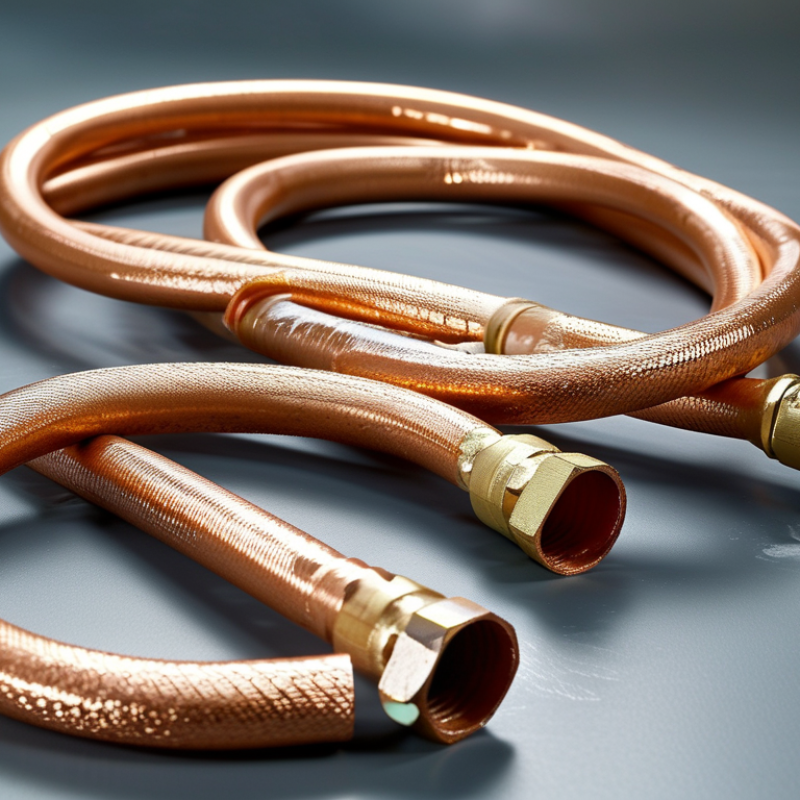
Benefits of PVC Insulated Copper Tubes for Electrical Applications
PVC insulated copper tubes are gaining popularity in electrical applications due to their numerous benefits. The insulation provided by PVC helps to prevent electrical leakage and reduce the risk of short circuits. This is crucial for maintaining safety in various installations. Additionally, the insulation offers excellent resistance to moisture and chemicals, making these tubes suitable for both indoor and outdoor use.
The flexibility of PVC insulated copper tubes allows for easy installation in tight spaces. Electricians find them easier to handle compared to rigid conduits. However, while their advantages are notable, the choice of materials should be considered carefully. For instance, in extreme temperature conditions, PVC may show some limitations. Regular assessments of environmental factors are necessary for optimal performance.
Moreover, these tubes are lightweight and cost-effective. Their durability ensures a long lifespan, which can lead to reduced maintenance costs. Nevertheless, one must remain cautious about potential wear and tear over time. Observing for any signs of degradation is essential, as neglect could lead to significant issues. Therefore, regular inspections can help sustain their reliability in electrical systems.
Key Properties of PVC Insulated Copper Tubes Explained
PVC insulated copper tubes are widely appreciated for their unique properties and versatile applications. One key property is their excellent thermal insulation. This feature allows them to maintain temperature, making them suitable for refrigeration and air conditioning systems. The PVC layer provides an additional barrier against external factors, enhancing durability.
Moreover, the lightweight nature of copper increases mobility for installation. That said, while PVC insulated copper tubes resist corrosion well, they are not entirely immune to wear. It’s crucial for technicians to regularly inspect installations to prevent potential leaks. The combination of copper's conductivity and PVC's insulating qualities makes these tubes ideal for various industrial applications, including HVAC systems, plumbing, and even automotive fields.
Despite their advantages, some technicians point out that the flexibility of these tubes can become a drawback in specific rigid installations. It’s essential to weigh these pros and cons when considering their use. Overall, understanding the key properties of PVC insulated copper tubes will help in selecting the right materials for specific projects.
Common Applications of PVC Insulated Copper Tubes in Various Industries
PVC insulated copper tubes are widely utilized across various industries. Their unique properties make them suitable for multiple applications. In the construction sector, these tubes are essential for plumbing and HVAC systems. They provide excellent thermal insulation and are resistant to corrosion. PVC insulation also enhances durability, allowing the pipes to withstand harsh conditions.
In the refrigeration industry, PVC insulated copper tubes are critical. They transport refrigerants effectively while minimizing energy losses. This helps maintain efficient cooling systems. In automotive applications, these tubes are used in air conditioning units. Their lightweight nature contributes to overall vehicle performance. However, the reliance on these materials sometimes raises questions about environmental impact.
Manufacturers often face challenges related to the production process of PVC-insulated copper tubes. Quality control can be inconsistent. This variation affects long-term reliability. Additionally, while PVC insulation is effective, it may not be the most sustainable choice. Some industries are exploring alternative materials that offer similar benefits with a lesser environmental footprint. This shift indicates a growing awareness of sustainability in industrial practices.
Comparison of PVC Insulated vs Non-Insulated Copper Tubes
When comparing PVC insulated copper tubes to non-insulated ones, several key points stand out. PVC insulation provides a protective layer that guards against environmental factors, including moisture and corrosion. This is particularly beneficial in humid climates where non-insulated copper can oxidize more quickly. The insulation effectively extends the lifespan of the tubes. However, the added material can slightly increase the weight and cost.
On the other hand, non-insulated copper tubes have their advantages. They can be easier to handle and install. Their flexibility allows for easier bending in tighter spaces. Additionally, they may offer a more retro aesthetic in certain applications. However, without the protective layer, these tubes require more maintenance. Over time, exposed copper may suffer from wear and tear.
In specific projects, the choice between insulated and non-insulated comes down to the environment and application needs. Both options present unique challenges and benefits. Consideration of installation conditions and long-term plans is essential. The selection process may not always be straightforward. Understanding your specific requirements will lead to better outcomes.
Maintenance Tips for PVC Insulated Copper Tubes to Ensure Longevity
Maintaining PVC insulated copper tubes is essential for ensuring their longevity and performance. Proper maintenance practices can prevent deterioration and extend service life. Start by regularly inspecting the tubes for signs of physical damage. Look for cracks, abrasions, or any signs of wear. Addressing these issues early can prevent more significant problems down the line.
Cleaning the tubes is another crucial step in maintenance. Use a soft cloth to remove dirt and debris. Harsh chemicals can damage the PVC insulation. Ensure that the tubes are free from moisture traps as well, as condensation can lead to corrosion over time. You might overlook the importance of proper installation. Incorrect installation can lead to stress and failure. Seek professional help if you’re unsure about the installation process.
Routine checks for exposure to extreme temperatures are necessary. High temperatures can damage the PVC insulation. Conversely, extremely low temperatures can make the material brittle. It is also wise to periodically test the tubes for electrical insulation integrity. If any deficiencies are observed, take immediate action to repair or replace the affected sections. Ignoring these aspects can lead to costly repairs later. Each step in the maintenance process matters.