What are the Benefits of Using Plate Heat Exchanger?
In the rapidly evolving field of thermal management, the "Plate Heat Exchanger" stands out as a pivotal innovation. Dr. John Harrison, a renowned expert in heat transfer technology, emphasizes its significance: "Plate Heat Exchangers offer unparalleled efficiency and adaptability." These systems optimize heat transfer in various industries, from food processing to HVAC.
Their compact design enables substantial energy savings. Traditional methods often lead to energy loss and higher costs. In contrast, a Plate Heat Exchanger maintains efficiency through its design. However, while they provide many advantages, they may require more frequent maintenance than other exchangers. This factor raises concerns in environments that prioritize long-term equipment reliability.
Adopting Plate Heat Exchangers can revolutionize operations, but it's essential to consider these drawbacks. Careful planning and implementation are critical for maximizing their benefits. Balancing efficiency and reliability will ultimately lead to a successful integration of this technology.
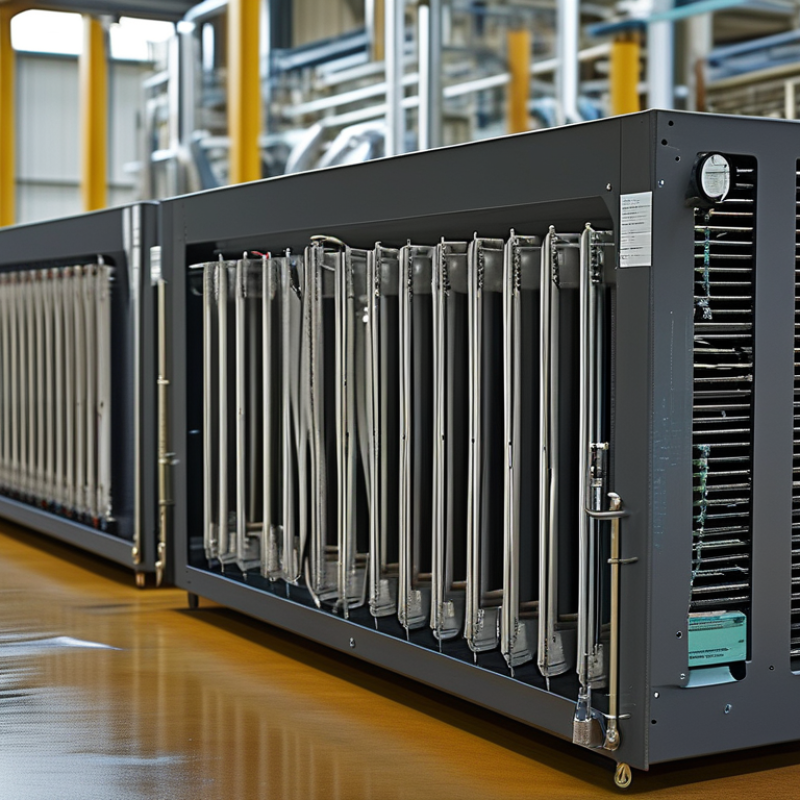
Definition and Function of Plate Heat Exchangers
Plate heat exchangers are crucial in various industries. They transfer heat efficiently between two fluids without mixing them. Their design features thin plates that create a large surface area for heat transfer. This allows for compact and effective heat exchange.
These exchangers contribute to energy savings. They allow systems to operate at optimal temperatures, reducing energy consumption. The efficiency is particularly evident in processes like heating water or cooling fluids. However, while they are highly effective, their plates can accumulate fouling over time. Regular maintenance is needed to ensure peak performance.
Innovation in plate design continues to enhance their capabilities. New materials and configurations promise better durability and efficiency. Still, in real-world applications, challenges like pressure drops and flow rate variations may arise. Understanding these nuances is essential for optimal use in any system.
Benefits of Using Plate Heat Exchanger
| Benefit | Description | Application Area |
| High Thermal Efficiency | Offers excellent heat transfer performance due to large surface area and compact design. | HVAC systems, food processing |
| Compact Design | Requires less space compared to traditional shell-and-tube heat exchangers. | Industrial processes, refrigeration |
| Easy Maintenance | Can be easily disassembled for cleaning and inspection, reducing downtime. | Power plants, chemical processing |
| Versatility | Can be used in various applications with different fluids and temperatures. | Pharmaceuticals, automotive |
| Low Operational Costs | Reduces energy costs through efficient heat transfer and lower pumping requirements. | District heating, oil and gas |
Key Advantages of Plate Heat Exchangers in Industrial Applications
Plate heat exchangers (PHEs) are essential in many industrial sectors. Their design allows for efficient heat transfer between two fluids without mixing them. This technology not only improves energy efficiency but also enhances process performance. In industries like food, pharmaceuticals, and chemical manufacturing, PHEs can significantly reduce operational costs.
In terms of advantages, they occupy less space compared to traditional heat exchangers. Their compact design makes them ideal for facilities with limited floor space. Additionally, they can handle various fluid types and flow rates. This versatility allows industries to adapt their systems for different applications easily.
Tips for using plate heat exchangers effectively involve regular maintenance. Check for leaks and signs of wear. Efficient cleaning methods can prolong their lifespan and maintain optimal efficiency. Consider flow rates and temperatures carefully; operating outside recommended conditions may lead to reduced performance. Remember, understanding your specific needs is crucial for maximizing the benefits of PHEs in your operations.
Energy Efficiency and Cost Savings with Plate Heat Exchangers
Plate heat exchangers are essential for improving energy efficiency in industrial processes. They work by transferring heat between two fluids without mixing them. This method significantly reduces energy consumption. Consequently, companies can save on utility bills while promoting sustainability by minimizing their carbon footprint.
Consider implementing regular maintenance for optimal performance. Cleaning the plates ensures maximum heat transfer efficiency. Over time, debris can accumulate, hindering effectiveness. Setting up a routine check can prevent costly inefficiencies. Additionally, evaluate your heat exchanger’s sizing. An oversized unit may waste energy, while an undersized unit could fail to meet demand.
Tracking energy usage can reveal insights into your operations. Monitoring systems help identify areas for improvement. Investing in training staff on proper usage is also beneficial. Knowledgeable employees can help optimize the system's performance, leading to greater overall savings. In the long run, these measures contribute to a healthier bottom line and a more sustainable operation.
Comparison of Plate Heat Exchangers with Other Heat Exchanger Types
When comparing plate heat exchangers to other types, several unique advantages arise. Plate heat exchangers offer a higher heat transfer coefficient. They can achieve thermal efficiency rates of up to 90%. This is significantly better than shell and tube exchangers, often limited to 70%. The increased surface area provided by the plates enables this efficiency.
Cost-effectiveness is another critical factor. Industry studies show that plate heat exchangers typically require less space and lower material costs. Their compact design can reduce installation costs, making them suitable for various applications. This contrasts with shell and tube units, which necessitate larger footprints.
However, plate heat exchangers do have limitations. They may not perform as well in high-pressure environments compared to other types. This can impact their usage in certain industries. Maintenance can also pose challenges due to the need for regular inspections and cleaning. Overall, while plate heat exchangers present substantial benefits, careful consideration of their applications is essential.
Benefits of Using Plate Heat Exchangers Compared to Other Types
This chart compares the benefits of Plate Heat Exchangers with other types, specifically Shell and Tube and Air-Cooled Exchangers. The benefits evaluated include Efficiency, Compact Size, Maintenance, Cost-Effectiveness, and Flexibility, showcasing the advantages of Plate Heat Exchangers in terms of performance and practicality.
Maintenance and Longevity Benefits of Using Plate Heat Exchangers
Plate heat exchangers offer significant advantages in maintenance and longevity. Their compact design and efficient heat transfer capabilities mean they often require less space and energy than traditional systems. With fewer components to wear out, regular maintenance can be minimal. This simplicity allows for easier access, making cleaning and inspections straightforward. Unlike other systems, plate heat exchangers can be disassembled for deep cleaning, ensuring they operate efficiently over the long term.
Regular maintenance can enhance the lifespan of your plate heat exchangers. Keeping them clean prevents scaling and fouling. Simple visual inspections can identify potential issues early. Use soft brushes or cloths during cleaning to avoid damaging the plates. Monitoring temperature and pressure readings will also help you assess their performance regularly.
For optimal longevity, consider the quality of the fluids being exchanged. Contaminated fluids can lead to premature wear. Always use filters to keep these fluids clean. In some cases, it may be worth it to invest in protective coatings to extend the life of your heat exchangers. Low-cost preventative measures can save money on repairs later.