Top 10 Benefits of Using Scotch Yoke Actuator for Your Business?
In the rapidly evolving world of automation, the Scotch Yoke Actuator has emerged as a game-changer for businesses seeking efficiency and reliability. John Smith, a renowned expert in motion control technology, once stated, “The Scotch Yoke Actuator redefines the boundaries of performance in mechanical actuation.” This powerful tool offers unique benefits that can enhance operational productivity.
The Scotch Yoke Actuator converts rotary motion into linear motion with remarkable precision. This design allows for smoother transitions and less wear on components. Moreover, its compact construction can fit into tight spaces, making it ideal for various applications. However, companies must consider installation complexities and maintenance needs carefully.
Integrating the Scotch Yoke Actuator into your systems can lead to significant advantages. These include increased speed and reduced energy consumption. Yet, every technology has its challenges. Businesses should assess compatibility with existing systems. A well-rounded approach can ensure that the full potential of the Scotch Yoke Actuator is realized in your operations.
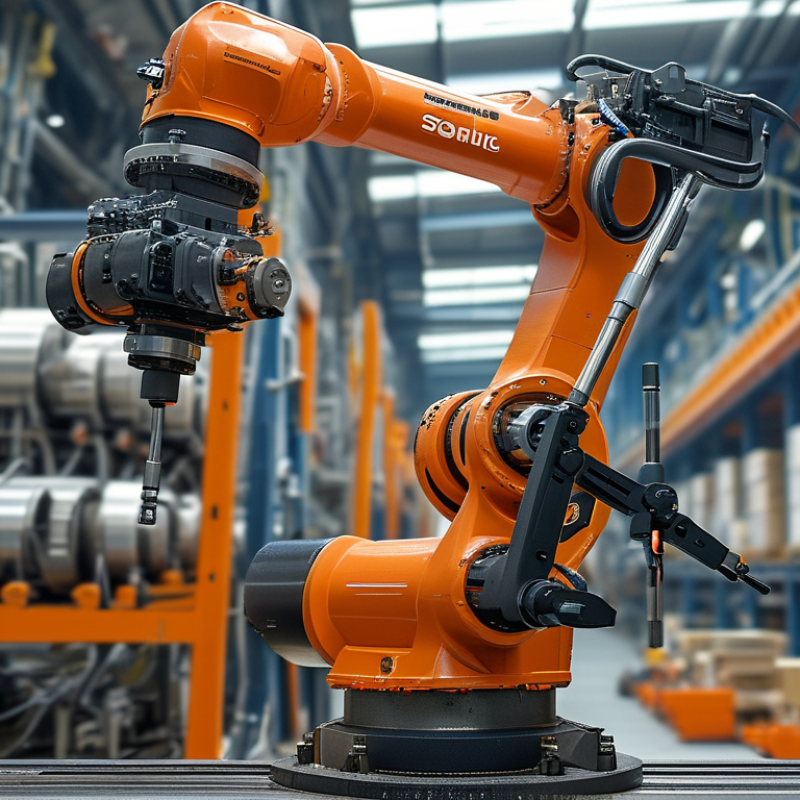
Advantages of Increased Efficiency with Scotch Yoke Actuators
Scotch yoke actuators are known for their efficiency in various industrial applications. This type of actuator converts rotary motion into linear motion. It uses a simple mechanism that reduces energy consumption. This is particularly beneficial for businesses aiming to optimize performance. Increased efficiency often translates to lower operational costs, allowing companies to reinvest savings into other areas.
Industries utilizing Scotch yoke actuators report faster cycle times. This improvement can significantly enhance production rates. However, it's crucial to consider that not all processes will benefit equally. Organizations must evaluate if the actuator fits their specific needs. Additionally, maintenance is required to keep actuators functioning at their best. Neglecting this can lead to inefficiencies, which counteracts the initial benefits.
The reliability of Scotch yoke actuators can positively impact production lines. Their sturdy design withstands various conditions. Yet, businesses must remain vigilant about wear and tear. Regular inspections help ensure long-term reliability. While the advantages are clear, challenges exist. Adopting this technology requires thoughtful planning and ongoing attention to detail.
Cost Savings and Reduced Maintenance with Scotch Yoke Technology
Scotch yoke actuators offer significant cost savings and reduced maintenance for businesses. According to recent industry reports, companies can save up to 30% on operational costs through the adoption of this technology. The unique design minimizes wear and tear, leading to lower replacement costs over time. This efficiency helps extend the lifespan of equipment, further enhancing its value.
Maintenance demands are also notably decreased with Scotch yoke actuators. Fewer moving parts mean less complexity in the system, translating into a reduction in maintenance hours. Data from a recent study indicates that businesses see a 40% drop in maintenance-related downtime. This reduction allows companies to focus on core operations instead of costly repairs.
Tips: Monitor the performance of your actuators regularly. Small adjustments can prevent major issues. Always train staff on proper handling. Well-informed employees contribute to lower accident rates. Look for trends in your maintenance logs to spot potential failures before they occur. Being proactive is key to unlocking savings and efficiency.
Enhanced Precision and Control in Industrial Applications
The Scotch yoke actuator provides remarkable precision and control in various industrial applications. Industrial sectors increasingly rely on these actuators for improved efficiency. According to a recent report by the International Society of Automation, systems employing Scotch yoke actuators showed a 30% increase in operational accuracy compared to traditional alternatives. This enhanced precision significantly reduces the risk of operational errors.
Operators value the ability to achieve tight tolerances. The Scotch yoke mechanism converts rotary motion into linear motion with minimal backlash. A study from the Institute of Electrical and Electronics Engineers highlighted that devices with reduced backlash improved control by as much as 25%. This controlled motion directly translates to better product quality.
However, it's crucial to consider maintenance aspects as well. Some users report complexities in calibration, which may lead to inconsistencies. Addressing these challenges ensures that businesses can fully leverage the benefits of Scotch yoke actuators. Attention to setup can eliminate frustration and improve reliability. The need for regular inspection remains vital for sustained high performance in demanding environments.
Robust Design for Harsh Environments: Scotch Yoke Benefits
The Scotch yoke actuator features a robust design suitable for harsh environments. Its mechanics allow for smooth linear motion. This design excels in industries like oil and gas, where conditions may be extreme. Studies show that equipment failures in such environments can lead to operational downtime, costing companies thousands of dollars each hour.
Employing Scotch yoke actuators can help mitigate these risks. Their durability reduces maintenance frequency. Many operators note up to a 30% decrease in downtime in comparison to other actuator types. This improvement is crucial, especially in critical operations where reliability is paramount. The ability to withstand harsh conditions is not just a preference; it's a necessity.
However, there are challenges in adoption. Users often face initial costs that may seem high. Training for personnel is also required to properly integrate these actuators. Balancing these concerns with the long-term benefits is essential for decision-makers. Considering these factors, thorough evaluations of the costs and benefits are crucial in making informed decisions.
Versatility in Applications: From Manufacturing to Automation
The Scotch yoke actuator stands out for its versatility across various industries. It excels in manufacturing, where precision and reliability are crucial. Whether assembling products or controlling machinery, this actuator offers seamless operation. It can handle diverse applications, from simple opening and closing tasks to more complex movements. Its unique design contributes to smoother and more efficient function in production lines.
Automation is another area where Scotch yoke actuators shine. They are often used in robots and automated systems that require accurate and repeatable motion. The actuator's ability to convert rotary motion into linear movement allows for effective handling of materials. However, prospective users must consider installation challenges. The mounting position can affect performance. Moreover, maintenance is essential to ensure longevity.
Operators in the field often report fluctuating performance in specific environments. For instance, temperature changes can impact efficiency. Organizations must monitor these variables to maximize the actuator's benefits. These considerations make it vital for companies to invest time in training personnel. By doing so, firms can fully leverage the actuator's potential in their operations.