What are the Benefits of Using Wave Springs in China?
Wave Springs are gaining popularity in China for various applications. These innovative components offer distinct advantages over traditional spring types. Their unique design allows for reduced height and enhanced performance. This makes them suitable for compact spaces in modern machinery.
Using Wave Springs can lead to increased efficiency. They provide consistent force and can handle dynamic loads effectively. Industries like automotive and electronics benefit greatly from their compactness and reliability. Such springs are designed to meet specific demands, making them a choice for engineers focusing on precision.
However, the selection process for Wave Springs requires careful consideration. Not all applications suit this technology. It's essential to assess the specific needs of a project. The initial costs of specialized Wave Springs might seem high. Yet, the long-term benefits in performance and space-saving justify this investment. This balance invites further reflection on how to maximize their use.
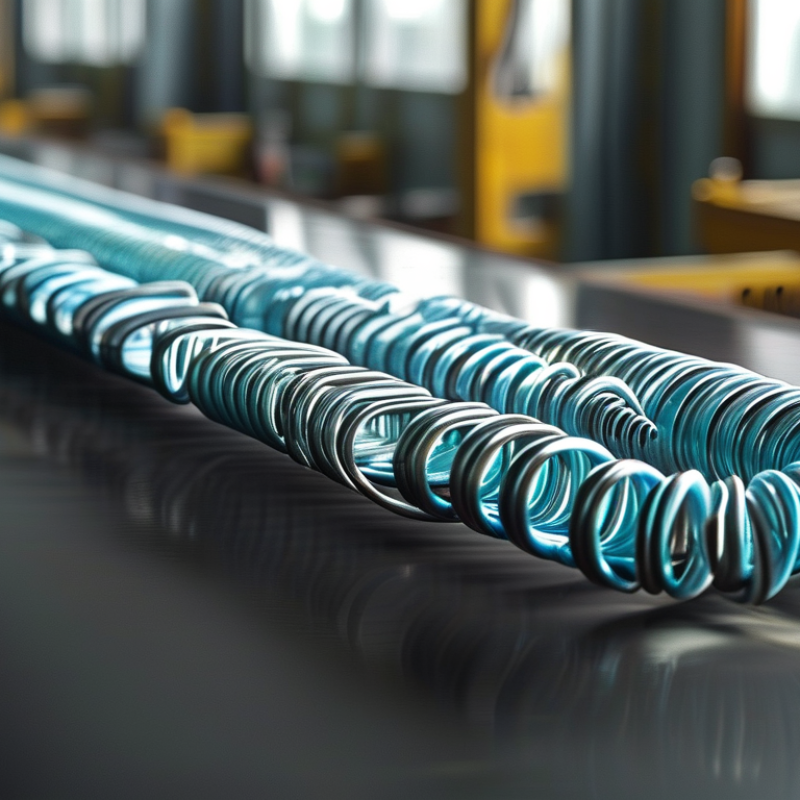
Benefits of Wave Springs in Industrial Applications
Wave springs are increasingly popular in various industrial applications in China. Their unique design allows for efficient stress absorption and space-saving solutions. According to a recent industry report, wave springs can reduce the force needed for compression by up to 50%. This efficiency leads to longer component life and improved overall performance.
Using wave springs in machinery enhances product reliability. They maintain a consistent load even under variable conditions. This feature is invaluable in sectors such as automotive and aerospace, where precision is key. A study indicated that companies leveraging wave springs experienced a 20% decrease in maintenance costs due to their durability.
Tips: When selecting wave springs, consider the load requirements carefully. Ensure that the material used can withstand the operating environment. Regular audits of spring performance can help identify issues before they escalate. Small adjustments now can lead to significant savings in the future.
Benefits of Using Wave Springs in Industrial Applications
Cost Efficiency of Wave Springs in Manufacturing Processes
Wave springs are increasingly popular in manufacturing processes in China. Their design allows for a smaller footprint compared to traditional springs. This compactness leads to cost savings in both material and space. Manufacturers are noticing reduced production costs as a result. The efficient use of materials can also lower waste, making operations greener.
Tips: Consider the required load and deflection when selecting wave springs. They can provide unexpected performance benefits if used correctly. Testing prototypes will enhance understanding of how these springs behave in your specific applications.
In addition to cost efficiency, wave springs offer reliable durability. Their design distributes stress evenly. This minimizes the chance of failure over time. However, careful consideration is needed when integrating them. Miscalculating the necessary specifications may lead to suboptimal results. Regular evaluations of performance should be conducted to ensure optimal functionality.
Space-Saving Advantages of Wave Springs in Design
Wave springs present a compelling solution for designers seeking space efficiency. Their unique design allows for a compact form factor while still providing considerable force. This feature makes wave springs ideal for applications where traditional springs might take up too much space. For example, in automotive or electronics industries, where every millimeter counts, wave springs fit seamlessly into tight spaces.
In many designs, traditional coil springs can be cumbersome. They typically require more axial space and can complicate component layouts. Wave springs, by contrast, can generate the same or greater force with a much shorter height. This creates opportunities for slimmer products and more efficient designs. Engineers often need to re-evaluate spring choices when space is at a premium. Sometimes, even small changes in design can lead to better overall performance.
However, the transition to wave springs may not be straightforward. Engineers must consider specific load conditions and how the unique wave pattern performs under stress. Testing and optimization are crucial. While the benefits are clear, there may be hidden challenges. Understanding these nuances is vital for successful implementation.
Improved Performance and Reliability of Wave Springs
Wave springs offer significant improvements in performance and reliability, particularly in demanding industrial applications. Their unique design allows for high-load capacities while maintaining a compact footprint. According to industry reports, these springs can save up to 40% more space compared to traditional coil springs. This reduction in size contributes to lighter assemblies and more efficient designs.
The consistent load characteristics of wave springs enhance operational efficiency. Unlike traditional springs, wave springs provide a stable force across a range of deflections. This ensures that machinery operates smoothly, minimizing wear and tear. A recent study indicated that systems using wave springs showed a 30% increase in lifespan compared to those using standard options. Such reliability translates to lower maintenance costs and improved production uptime.
Using wave springs, however, is not without challenges. Their manufacturing process can be complex, requiring precision equipment. Additionally, not all applications may benefit equally from their use. In some cases, the spring's stiffness might exceed design requirements. Engineers must carefully evaluate these aspects to ensure optimal performance. Balancing the advantages and potential drawbacks is crucial for successful implementation.
Environmental Impact of Using Wave Springs in China
Wave springs are gaining popularity in various industries in China due to their compact design and efficient performance. However, their environmental impact deserves careful consideration. According to a report by the China National Building Materials Group, using wave springs can significantly reduce material waste during manufacturing. This reduction minimizes unnecessary resource extraction and helps address the growing concern over environmental sustainability.
Moreover, wave springs often lead to improved energy efficiency in applications such as automotive and machinery, as they provide better load distribution. A study from the Chinese Academy of Sciences indicated that using wave springs could improve energy savings by up to 15% in specific mechanical systems. However, the production process requires energy and resources. Manufacturers are encouraged to adopt green practices throughout the lifecycle of wave springs.
Tip: When choosing wave springs, consider the entire production chain. Opt for suppliers that emphasize sustainable practices. Also, evaluate the recycling options for these components at the end of their life cycle.
As industries in China adopt innovative solutions like wave springs, the focus on environmental implications is critical. Reducing the carbon footprint during manufacturing should remain a top priority. Implementing better waste management strategies could further enhance the sustainability of wave springs, ultimately contributing to a greener future.