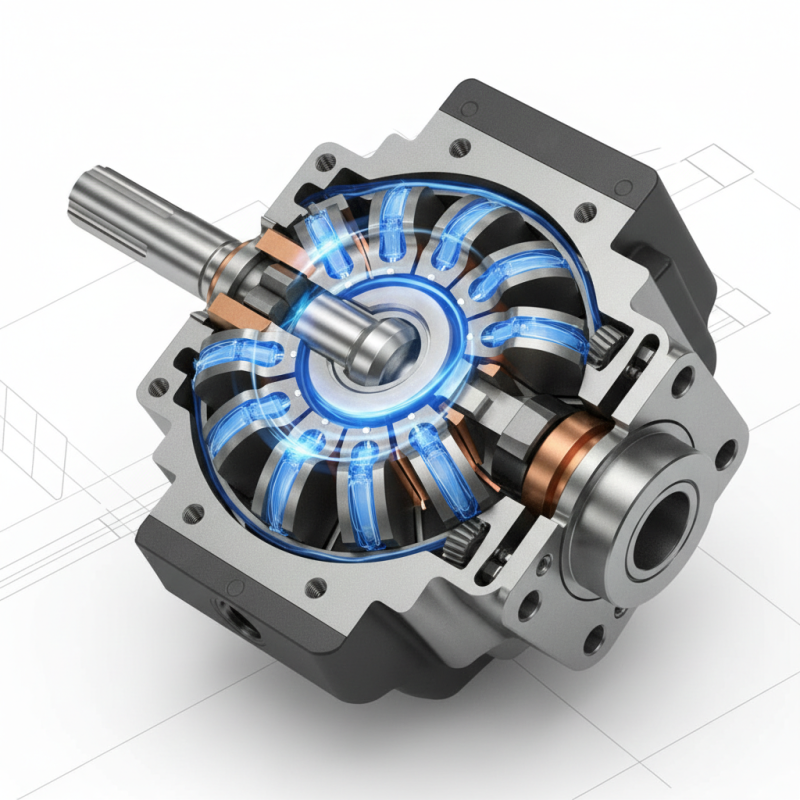
What is a Bent-axis Motor and How Does it Work?
A Bent-axis Motor is a unique type of hydraulic motor. It utilizes a distinct design that optimizes performance. Unlike traditional motors, it features an inclined axis. This allows for more efficient energy conversion.
The mechanics of a Bent-axis Motor are intriguing. It operates by changing the angle of the input shaft. As the shaft rotates, hydraulic fluid flows through angled pistons. This creates a powerful torque output. The entire system is compact yet effective. It is widely used in various industries, including construction and aerospace.
However, there are challenges to consider. Efficiency can be affected by design flaws. Maintenance is crucial for longevity. Proper understanding of these motors is vital. The Bent-axis Motor deserves more attention for its potential benefits. A deeper exploration can reveal innovative applications.
What is a Bent-axis Motor?
A bent-axis motor is a specialized type of hydraulic motor. It converts hydraulic fluid energy into mechanical motion. This design features an offset cylinder arrangement. The bent angle allows for efficient power transfer and torque generation.
These motors are compact but powerful. They are commonly used in machinery where space is limited. They can be found in construction equipment and agricultural machinery. The unique architecture provides benefits in terms of speed and response.
**Tips:** Regular maintenance can extend the life of these motors. Check for leaks and ensure proper lubrication. Understanding the operational limits is crucial. Overloading may lead to failures that are costly to repair.
In use, bent-axis motors can present challenges. They may not perform well under certain conditions. For example, operating at extreme temperatures can reduce efficiency. Users should monitor performance closely to avoid issues. Always consult the specifications for optimal operation.
Bent-axis Motor Performance Comparison
Key Components of a Bent-axis Motor
A bent-axis motor is a unique machine. It is known for its innovative design and efficient functioning. The key components of this motor play a crucial role in its operation.
At its core, the bent-axis motor features a bent shaft. This design allows for the conversion of hydraulic pressure into rotational motion. Inside the motor, you will find pistons arranged at an angle. These pistons push against the bent shaft, generating movement. The angle is vital; it affects the torque and efficiency. A small error in the angle can lead to reduced performance.
The housing of the motor is another important part. It contains all the components and keeps them aligned. Proper alignment is essential for smooth operation. Any misalignment can cause wear and excessive heat. Lastly, the seals protect against fluid leakage. They ensure the motor operates effectively over time. Understanding these components can lead to better design choices and improvements.
The Working Principle of a Bent-axis Motor
A bent-axis motor operates using a unique design. It features pistons arranged at an angle to the axis of rotation. This arrangement allows for efficient energy transfer from fluid pressure to mechanical movement. The geometry of the motor significantly affects its performance and efficiency.
When hydraulic fluid enters the motor, it pushes the pistons. As the pistons move, they rotate the shaft. This rotation generates power for various applications. The design minimizes energy loss, making it effective in many industrial uses. However, the angled configuration can lead to uneven wear over time. Regular maintenance is essential to prolong the motor's lifespan and efficiency.
In practical use, bent-axis motors are often preferred for their compact size and high power-to-weight ratio. They can deliver impressive torque even at low speeds. Despite their advantages, the complexity of the design can pose challenges during installation. Additionally, understanding the hydraulic dynamics involved requires a deeper knowledge of fluid mechanics. There's always room for improvement in efficiency and durability.
Advantages of Using Bent-axis Motors
Bent-axis motors are known for their unique design. This allows them to deliver high torque and efficient performance. They operate with a bent crankshaft, which provides a simple and effective way to convert hydraulic energy into motion. The geometry of the motor helps create a consistent output, making them popular in various applications.
One advantage of bent-axis motors is their compact size. They can fit into tight spaces, which is valuable in modern machinery. Their construction also allows for lower noise levels compared to other types. Users appreciate this quieter operation in settings where sound reduction is important. Additionally, they often have a higher power-to-weight ratio.
However, one must consider the maintenance aspects. While these motors are robust, they may require careful attention. Understanding wear patterns is crucial for longevity. Frequent inspections can help prevent unexpected failures. Many users find it beneficial to schedule regular check-ups. This proactive approach can mitigate some common issues.
Applications of Bent-axis Motors in Industry
Bent-axis motors are becoming increasingly prevalent across various industries due to their unique design and efficiency. These motors feature shafts that run at an angle to the axis of rotation. This configuration allows for higher torque and better performance in hydraulic systems. Industries such as construction, agriculture, and manufacturing leverage these benefits. According to a recent market analysis, the global bent-axis motors market is expected to grow at a CAGR of 6.5% over the next five years.
In construction equipment, bent-axis motors provide reliable hydraulic power. They enable fast and accurate movements in excavators and cranes. Farmers also benefit from this technology in tractors and harvesters. The precision of bent-axis motors results in more efficient fuel consumption and reduced operational costs. A report from an industry association indicates that fuel savings can reach up to 15% when using advanced hydraulic systems.
However, challenges remain. Installation and maintenance can be complex, leading to downtime. Engineers often encounter issues with alignment and compatibility with existing systems. As manufacturers innovate, addressing these imperfections will be crucial for the widespread adoption of bent-axis motors. Understanding these factors can help companies make informed decisions about integrating this technology.