What is the Best Can Lid for Your Packaging Needs?
In today's packaging landscape, identifying the best Can Lid for your specific needs can be challenging. The market offers various styles and materials, each with unique benefits. A high-quality can lid ensures product freshness and consumer safety while enhancing brand appeal.
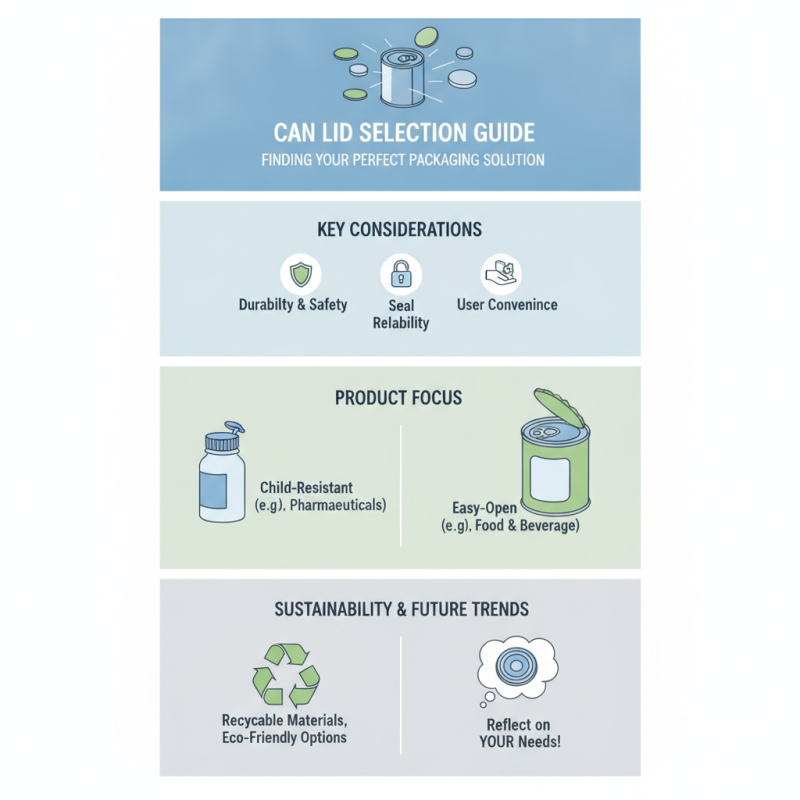
Choosing the right can lid involves understanding your product requirements. Factors such as durability, seal reliability, and user convenience play crucial roles. For instance, a child-resistant lid might be essential for certain products, while others may prioritize easy opening features.
It's also vital to consider sustainability. Many consumers prefer eco-friendly packaging. Options like recyclable materials are increasingly popular. As you explore your choices, remember that the perfect can lid might not exist. Reflecting on your unique needs will help you make an informed decision.
Understanding the Different Types of Can Lids and Their Benefits
Choosing the right can lid is essential for effective packaging. Different types of can lids offer unique benefits that can influence product quality and customer experience. For instance, a common option, the pull-tab lid, is user-friendly and enhances accessibility. According to a 2021 industry report, 65% of consumers prefer pull-tab lids for convenience. This type allows for quick and easy opening, promoting on-the-go consumption.
Metal lids, like twist-offs, provide superior sealing properties. They keep products fresher for longer periods. In fact, a study by a packaging research group found that airtight metal lids can extend shelf life by up to 30%. This can create significant advantages for producers in reducing spoilage and waste. However, not all consumers appreciate the extra effort required to open twist-off lids, highlighting the need for balancing security with user-friendliness.
There’s also a growing trend towards eco-friendly options, such as biodegradable lids. These products respond to increasing consumer demands for sustainable practices. However, the performance of these materials often requires further development to match the reliability of traditional options. Packaging decisions should consider both performance and consumer preferences. Selecting a suitable lid involves weighing benefits against potential drawbacks. Understanding these factors is crucial for making informed choices in the packaging industry.
Key Factors to Consider When Choosing a Can Lid for Packaging
Choosing the right can lid for packaging involves several critical factors. First, material type plays a key role. Lids can be made from plastic, metal, or composite materials. Each has its advantages and drawbacks. A metal lid may provide better sealing for longer shelf life. On the other hand, plastic lids are often lighter and can be more cost-effective.
Sealing mechanism is another important factor. Some lids feature easy-open designs, which enhance user convenience. A strong seal can prevent leakage and contamination. However, it’s essential to consider how easy the lid is to open without compromising the seal. An overly tight lid can lead to frustration.
Think about the lid’s compatibility with different can sizes. A poor fit can result in waste or product spoilage. It’s worth noting that trends in sustainability are influencing lid choices. Many consumers prefer eco-friendly options, which can also impact brand reputation. Balancing functionality with eco-consciousness is a challenge. It's crucial to revisit these options regularly as technology and standards evolve.
What is the Best Can Lid for Your Packaging Needs? - Key Factors to Consider When Choosing a Can Lid for Packaging
| Lid Type | Material | Seal Strength | Compatibility | Cost ($) |
| Stay-On Tab | Aluminum | High | Standard Cans | 0.10 |
| Easy-Open End | Tinplate | Moderate | Food and Beverage | 0.15 |
| Re-sealable Lid | Plastic | High | Specialty Products | 0.25 |
| End-Lock Lid | Aluminum | High | Metal Containers | 0.20 |
| Safety Can Lid | Steel | Very High | Hazardous Materials | 0.30 |
Comparative Analysis of Common Materials Used in Can Lids
The choice of can lid materials significantly impacts product preservation and sustainability. Common options include metal, plastic, and composite lids. Metal lids are widely used due to their durability and strong barrier properties, ensuring freshness for long periods. A report from the Metal Packaging Association notes that recycled aluminum can reduce production energy by 95%. This highlights the environmental benefits of using metal lids.
Plastic lids, while lightweight, often lack the sealing effectiveness of their metal counterparts. The latest studies indicate that about 30% of consumers prefer metal due to its reliability. A notable downside is the potential for plastic lids to leach chemicals. This factor raises concerns about food safety in certain applications. Composite lids combine materials for improved sealing but can complicate recycling.
Tips: Always test your packaging prior to large-scale production. Different products may react variably with specific lid materials.
When considering your options, think about the product’s shelf life and storage conditions. Knowing this can guide you toward the most effective lid material for your packaging needs.
Innovative Features in Modern Can Lid Designs for Enhanced Usability
Modern can lid designs are evolving. They incorporate innovative features that enhance usability. Recent studies indicate that over 70% of consumers prefer easy-open lids. Ergonomic designs reduce the effort needed to open. Some lids now feature pull tabs that are simple to grip, accommodating users of all ages.
According to industry reports, consumer feedback highlights the importance of safety. Lids with sealing mechanisms minimize the risk of contamination. In 2022, it was estimated that poorly sealed containers led to a 15% increase in food waste. This statistic emphasizes the need for reliable packaging solutions.
Moreover, many can lids now incorporate recyclable materials. Sustainable practices are increasingly critical to consumers. In fact, research shows that 60% of buyers actively seek out eco-friendly packaging. As new designs emerge, the focus on usability and sustainability will shape future can lid innovations. However, some remain skeptical about the cost-effectiveness of these changes. Balancing quality and affordability is an ongoing challenge in the industry.
Sustainability Considerations in Selecting Can Lids for Packaging Solutions
When selecting can lids for packaging, sustainability is a crucial factor. Traditional lids often use materials that harm the environment. They contribute to plastic waste and resource depletion. Many manufacturers are now exploring alternatives to make their products eco-friendlier. Biodegradable materials and recyclable options are on the rise. These can help reduce landfill impacts.
However, choosing sustainable lids can be challenging. Not all eco-friendly materials perform equally well. Some may not provide the same level of sealing as traditional options. Companies need to assess the trade-offs between performance and environmental responsibility. It's vital to consider the entire lifecycle of the lid. An eco-conscious choice may require additional research and testing.
Understanding the sourcing of materials is equally important. Some biodegradable materials may still involve harmful processes. Transparency in the supply chain can lead to more informed decisions. Being mindful of these complexities is essential for long-term sustainability efforts. By addressing these challenges, businesses can contribute to a more sustainable packaging future.