
A Compression Molding Machine is more than a press with a large tonnage rating. Its heating uniformity, pressure control, platen alignment, and cycle repeatability shape part quality every day. A small temperature drift can leave a thick component unevenly cured. Poor alignment may create flash along the mold edge. These details matter when comparing the best machines to buy in 2026.
Plastics-processing authority Dr. Tim Osswald provides a useful technical lens: material behavior and processing conditions must be considered together. A practical buying principle follows: “Choose repeatable process control, not tonnage alone.” This is a guide-level summary, not a verbatim quotation from Osswald. Buyers should compare clamping force, platen size, daylight, heating options, control systems, and service support against their actual molds and materials. Ask suppliers for cycle data and sample-part results. A polished brochure is not enough.
This guide examines ten machines through those practical needs, from production capacity to operator access and maintenance. Some models may look impressive on paper. That can mislead. A compact press with stable temperature control may outperform a larger unit on a demanding part. Still, no shortlist can replace a mold trial, a review of the plant’s utilities, and a clear warranty discussion. Weigh the evidence carefully—and leave room to reconsider your first choice.
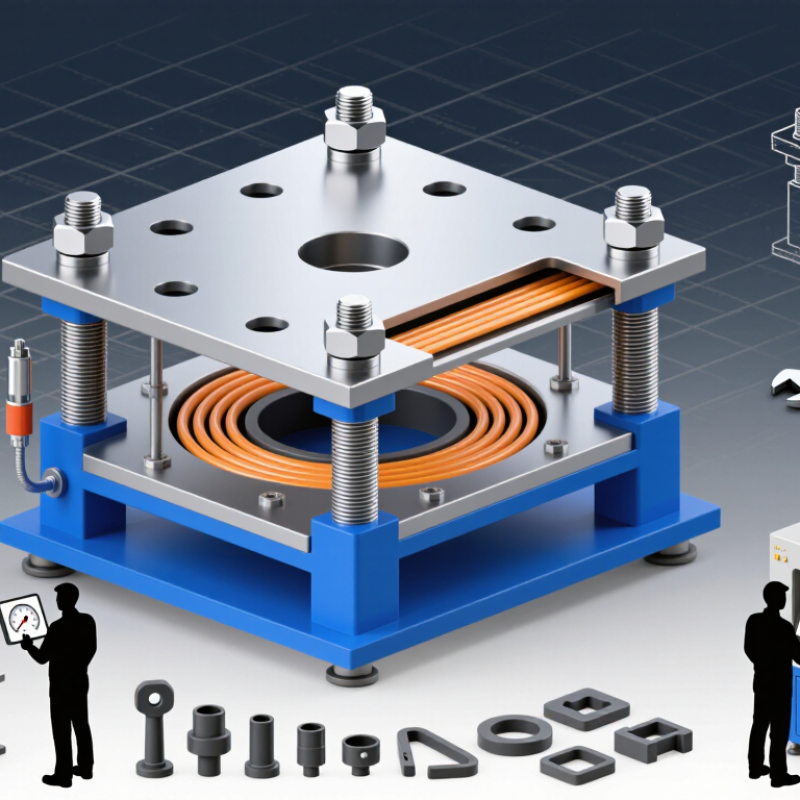
Compression molding starts with a measured charge of material placed inside a heated mold. The press closes, applying heat and pressure until the material fills the cavity. Thermosets cure into a fixed shape; thermoplastics soften and take the mold’s form. After cooling or curing, the part is removed. It sounds simple. In practice, uneven heating or a poorly measured charge can leave thin spots, flash, or trapped air.
The process suits repeatable parts made from rubber, thermosets, and fiber-reinforced composites. Common uses include vehicle panels, electrical insulators, appliance components, and structural composite parts. The U.S. Department of Energy’s “Lightweight Materials for Cars and Trucks” report notes that reducing vehicle weight by 10% can improve fuel economy by 6–8%. That helps explain interest in lightweight molded components, though part design and material choice still matter. A press alone cannot guarantee a lighter, stronger part.
Tips: Match press capacity, platen size, and temperature control to the mold and material. Check cure time and charge weight during trial runs. Small details matter. Record scrap and cycle times, too; the first setup is rarely perfect, and that is worth admitting.
When comparing compression molding machines, look beyond maximum clamp force. Match force to projected part area, compound flow, and the mold’s venting design. Check platen parallelism and temperature uniformity across the working surface; uneven heat can leave thick sections under-cured while edges overheat. Ask for cycle data using a representative mold, not an idealized demonstration. Track cure time, energy per accepted part, scrap rate, and changeover time. Check the boring details, too: spare-part lead times, service response, and operator access around the platens.
Energy deserves close attention. The U.S. Department of Energy’s 2022 Industrial Decarbonization Roadmap estimates process heating accounts for about 51% of U.S. manufacturing energy use. The IEA’s Energy Efficiency 2023 report puts industry at roughly 37% of global final energy consumption. These figures cover broad sectors, not compression presses alone, but they make heating efficiency worth measuring. Request actual power-consumption data across a full production cycle, including warm-up and idle periods. A clean specification sheet can still flatter a poor fit. Check repeatability over several runs, then compare results with your own parts and materials. A small sample may mislead.
A useful 2026 shortlist covers ten machine configurations: single-daylight hydraulic presses for flexible production; multi-daylight presses for high-volume, compact-floor layouts; servo-hydraulic presses for controlled pressure; and all-electric presses for repeatable motion. Vacuum-assisted presses suit parts where trapped air is a concern. Rapid-cycle heated-platen presses target shorter production runs. Large-tonnage presses handle broad, demanding molds. Lab-scale presses support material trials. Transfer-compression hybrids can accommodate complex charges. Multi-cavity presses serve repeat production. These are machine types, not a universal ranking; the right choice depends on the part, resin, tooling, and required cycle time.
The IEA’s Global EV Outlook 2024 reports nearly 14 million electric-car sales in 2023, around 18% of global car sales. Plastics Europe’s Plastics—The Fast Facts 2024 estimates worldwide plastics production at 413.8 million tonnes in 2023. These figures show the scale of adjacent manufacturing markets, not guaranteed demand for any press. Fit matters. Compare platen size, daylight, pressure control, energy use, and service access against actual production needs. A ranking by tonnage alone is tempting—and incomplete. I would also question optimistic cycle-time claims: real results shift with mold temperature, material preparation, and operator routines. Ask suppliers for trial data using your own material and part geometry.
This comparison covers machine configurations rather than branded models. Clamp-force figures are indicative selection ranges; actual requirements depend on part projected area, material, cavity layout, mold design, and process conditions. Confirm specifications and safety features with the machine supplier.
| No. | Machine Configuration | Indicative Clamp-Force Range | Best Suited For | Key Advantages | Points to Check Before Buying |
|---|---|---|---|---|---|
| 1 | Hydraulic single-daylight press | Approximately 50–1,000 metric tons | General-purpose thermoset, rubber, and composite molding | Versatile layout, straightforward mold access, and a broad range of available sizes | Check daylight, platen dimensions, opening stroke, pressure control, and compatibility with the intended mold |
| 2 | Multi-daylight compression press | Approximately 100–1,500 metric tons per press, depending on design | High-volume production of flat or relatively shallow parts, such as panels and laminates | Multiple mold levels can increase output per floor area | Confirm loading access, heating uniformity across levels, mold-change method, and operator safeguarding |
| 3 | Vacuum-assisted compression press | Approximately 50–1,000 metric tons | Parts where reduced trapped air and improved surface quality are important | Vacuum capability can help remove air and volatiles during molding | Review vacuum-system capacity, sealing arrangement, cycle sequence, and whether the material and mold benefit from vacuum |
| 4 | Rubber compression molding press | Approximately 25–500 metric tons | Rubber seals, gaskets, mats, and molded elastomer components | Can be configured for heated platens, flash control, and rubber-specific mold layouts | Check platen temperature range and uniformity, mold venting, cleaning access, and flash-removal requirements |
| 5 | Sheet molding compound (SMC) press | Approximately 500–3,000 metric tons | Large composite panels, covers, housings, and structural parts | High force capacity and large platens accommodate substantial composite molds | Verify mold weight capacity, platen parallelism, loading automation, and process monitoring options |
| 6 | Bulk molding compound (BMC) press | Approximately 50–800 metric tons | Electrical components, appliance parts, and other molded thermoset products | Can support automated charge placement and repeatable, controlled molding cycles | Assess charge handling, temperature control, cure-time requirements, and mold-cleaning frequency |
| 7 | Compression-transfer hybrid press | Approximately 50–800 metric tons | Parts that need compression molding with more controlled material delivery into the cavity | Combines a compression press arrangement with a transfer-style material feed approach | Confirm tooling compatibility, transfer mechanism requirements, material waste, and maintenance access |
| 8 | Laboratory or pilot-scale heated press | Approximately 5–100 metric tons | Material trials, mold development, process studies, and small batches | Compact footprint and practical for testing materials and process settings before scale-up | Check temperature uniformity, data logging, platen size, and whether the available force meets trial needs |
| 9 | Large-format hydraulic press | Approximately 1,000–5,000+ metric tons | Very large composite structures, industrial panels, and heavy tooling | Supports large projected areas and substantial mold assemblies | Evaluate foundation and floor capacity, installation access, energy use, safety systems, and service support |
| 10 | Automated high-volume compression cell | Approximately 100–2,000 metric tons | Repeat production with frequent or continuous part loading and unloading | Can integrate charge placement, part removal, process monitoring, and downstream handling | Review cell layout, robot reach, cycle-time balance, guarding, changeover time, and integration responsibilities |
Compression molding machines are not interchangeable, even when their platen sizes look similar. Hydraulic presses offer controlled pressure and suit many large or thick components, but cycle speed depends on the machine and material. Mechanical presses can deliver rapid, repeatable strokes for suitable parts. Servo-hydraulic systems allow more precise pressure and motion control, though their extra features may not justify the cost for every shop. Multi-daylight presses increase output by curing several parts at once. They also need careful loading to keep heat and pressure consistent across each level.
Compare more than rated tonnage. Check platen dimensions, daylight opening, heating range, stroke, and pressure uniformity against the mold and finished part. A small enclosure panel and a thick electrical component may need very different cure times. Ask for cycle data using a representative material and mold, not just an ideal demonstration. Shorter cycles look attractive. But uneven curing can create scrap. Automation may reduce handling time, yet changeovers and mold cleaning still take labor. A production estimate can be wrong if it ignores these pauses. The best fit depends on actual part geometry, expected volume, operator skills, and available floor space.
How to Choose a Machine for Your Manufacturing Needs
Choosing a compression molding machine starts with the part, not the largest press you can afford. Check the mold’s projected area, required closing force, platen size, and available daylight. A tool that barely fits can make setup awkward. Measure twice. Match the heating system to your compound and target cycle time, then confirm that temperature stays consistent across the mold. Ask suppliers for cycle estimates using parts and materials similar to yours; optimistic figures may not reflect real production.
Tips: Record part dimensions, material, expected output, and mold weight before comparing machines. Check whether the press offers adjustable pressure and cycle controls. Leave room for loading, mold changes, and maintenance. Small details matter.
Also consider operator access, guarding, service support, and the cost of installation. Ask how routine checks are performed and which components need scheduled replacement. If possible, run a sample mold before purchase and inspect part consistency across several cycles. A machine may look suitable on paper but feel cumbersome on the floor. I’d revisit the production assumptions, too; early estimates are often imperfect, and that is worth admitting before committing to a machine.
Estimated clamp force increases with both projected mold area and cavity pressure. Use the curves as screening scenarios, not universal process settings: confirm the actual pressure with material and process data, then check the press’s mold space, tie-bar spacing, daylight, and capacity.
Phone: (256) 845-1255 or (256) 845-4493
Fax: (256) 845-1321 or (256) 845-4468
© 2025 Heritage Wire Harness, LLC