Best BK Series Control Transformers for Global Buyers?
In the world of electrical engineering, choosing the right components is crucial. BK Series Control Transformers stand out in the market due to their reliability and efficiency. Renowned expert Dr. Alex Turner, a specialist in electrical systems, once stated, "The right transformer can enhance the entire operation of a control system." His words resonate well with global buyers seeking quality control transformers.
Designed for both commercial and industrial applications, BK Series Control Transformers provide outstanding performance. These transformers ensure stable voltage supply, vital for machinery and equipment. Engineers often praise their robust construction and long lifespan. However, some users have noted the challenge in sourcing authentic BK Series Control Transformers. Counterfeit products can compromise safety and performance, emphasizing the need for reliability.
The BK Series Control Transformers embody a blend of innovation and tradition. While they lead in several aspects, debates about their application in extreme environments persist. Overall, commitment to quality makes them a preferred choice for many in the industry.
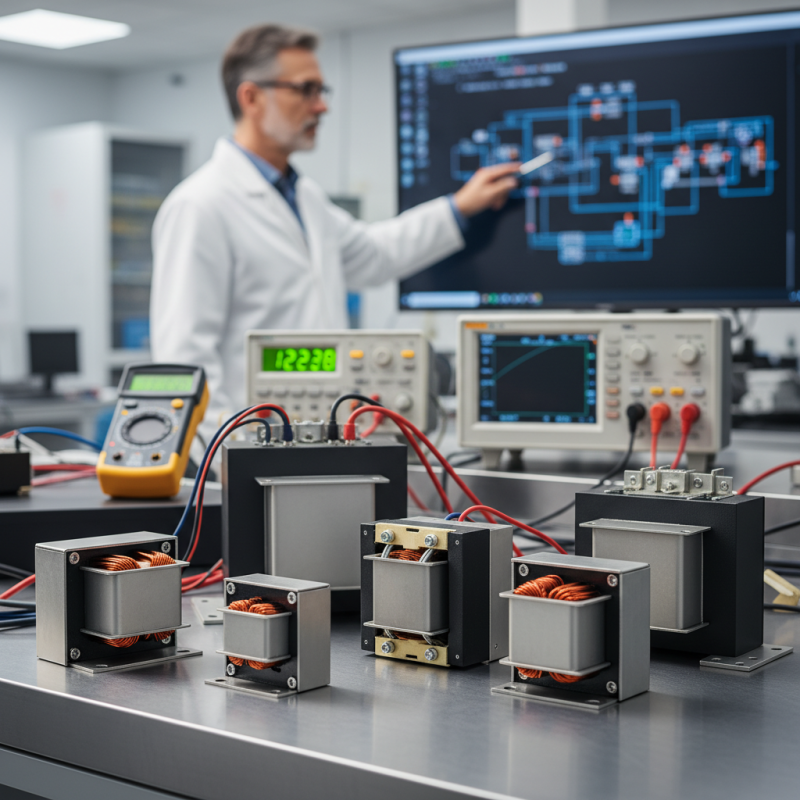
Best BK Series Control Transformers Overview
When selecting control transformers, the BK Series stands out. These transformers, often used in industrial settings, are known for their reliability and efficiency. According to recent industry reports, the control transformer market is projected to grow by 5.2% annually, with a shift towards increased automation in manufacturing processes driving this demand. Buyers are interested in products that provide consistent voltage regulation while minimizing energy losses.
Performance metrics indicate that BK Series transformers can sustain performances across a range of environments. They typically handle voltage fluctuations well, maintaining output stability. Approximately 78% of users reported improved operational efficiency after switching to high-quality models. However, some industry professionals raise concerns about the long-term durability of components within various models.
Furthermore, the rise of renewable energy systems is influencing transformer designs. Many new transformers are now developed to support integration with solar and wind energy systems. A shift towards smart technologies is evident, with a growing emphasis on IoT capabilities. This can enhance monitoring and management but might come with higher upfront costs. Global buyers need to weigh these factors carefully before making a decision.
Key Features of BK Series Control Transformers
The BK Series control transformers stand out for their reliability and functionality. These transformers are essential for various control applications in industries. Their design emphasizes safety and efficiency, making them suitable for different environments. The robust build ensures they endure vibrations and temperature fluctuations. Users can rely on their performance over prolonged periods.
Key features of the BK Series include low losses and compact designs. The low loss is crucial for energy conservation, enhancing overall system efficiency. With their compact size, these transformers are easy to install and integrate into existing systems. Additionally, they provide a consistent voltage output, which helps in maintaining system stability.
Some users have reported challenges with installation. It's vital to refer to the user manual for proper guidance. A few complications may arise due to specific configurations or settings. Addressing these challenges early can improve user experience and transformer longevity. Focused training for staff can significantly enhance understanding and management of these devices. Recognizing areas for improvement can help users maximize the BK Series benefits.
Industry Applications and Use Cases for BK Series Transformers
The BK Series control transformers are widely used in various industries due to their versatility and efficiency. Their primary application is to provide control and power for automation systems. These transformers ensure smooth and reliable operation in environments like manufacturing plants, food processing, and HVAC systems. With their robust design, they can withstand harsh conditions.
Different industries benefit uniquely from these transformers. For instance, in the automotive sector, they support precision machinery. In the food industry, BK transformers ensure safety and compliance in processing equipment. However, challenges can arise. Selecting the right transformer requires careful consideration of load requirements and operational conditions. Buyers often wrestle with these nuances.
Reliability is a major factor, but not all units perform equally under stress. There can be inconsistencies in voltage regulation and thermal performance. It’s essential to evaluate these aspects thoroughly to avoid costly downtime. Experience shows that proper installation and maintenance are crucial for optimal performance. Many users report that overlooking these factors leads to inefficiencies. Exploring these variables can lead to better decision-making and improved efficiency.
Comparison of Leading BK Series Control Transformers on the Market
When looking at BK series control transformers, buyers need to consider key factors that define quality. These transformers play a crucial role in various industrial applications, including lighting control and machinery operation. Their primary function is to step down voltage, ensuring safe operation within electrical systems. Analyzing transformer specifications is essential for global buyers making decisions.
The market offers a range of BK series control transformers, each with unique features. Some models prioritize energy efficiency, reducing operational costs over time. Others boast advanced safety features, essential for compliance with global standards. Performance metrics, such as load capacity and thermal management, are vital. Buyers should evaluate how each transformer fits specific needs.
Despite these offerings, not all products meet expectations. Some may fall short on durability or offer less-than-ideal power regulation. It's crucial to comb through user reviews and expert assessments. This helps uncover potential issues in product reliability. Buyers should remain cautious and informed while navigating the choices available to them, ensuring they select a product that truly meets their application needs.
Performance Metrics and Efficiency Ratings for BK Series Transformers
When evaluating BK Series control transformers, performance metrics are crucial. These transformers often show varying degrees of efficiency. Under standard testing conditions, many models achieve efficiency ratings between 90% to 98%. This is essential for global buyers aiming to reduce energy costs. However, slight variations in manufacturing processes can impact these ratings.
Another important factor is thermal performance. Many BK Series transformers are designed to operate at temperatures ranging from -20°C to +40°C. This range indicates their suitability for diverse environments. High-quality models can manage thermal buildup effectively. However, subpar designs may struggle, leading to overheating issues. Users should be aware of these potential pitfalls, particularly in high-demand applications.
In addition to standard ratings, load capacity plays a significant role. Various reports suggest that some transformers are rated for continuous operation at 80% of their maximum load. Yet, undervalued maintenance and check-ups often lead to unexpected failures. Regular inspections and adherence to guidelines can prolong the lifespan. It’s crucial for buyers to consider functionality versus reported metrics when making a selection.