Explore the Best LED Garden Lights for Global Buyers?
As urban spaces evolve, garden aesthetics have taken center stage. Led Garden Lights play a crucial role in enhancing outdoor environments. Renowned expert John Smith, an industry leader, states, "Well-placed LED garden lights can transform any space into a magical wonderland." This insight emphasizes the importance of thoughtful design when selecting these lights.
Choosing the right LED garden light requires a careful balance of functionality and style. There are numerous options available, from solar-powered fixtures to sleek modern designs. When exploring the market, it's essential to consider the ambiance you wish to create. Brightness levels and design elements significantly impact overall effectiveness.
While LED garden lights are often praised for their energy efficiency, not all products meet high standards. Buyers must scrutinize brands and reviews to ensure reliability. The right choice can elevate your outdoor experience, but the wrong choice might lead to disappointment. Investing time in research is crucial for achieving desired results.
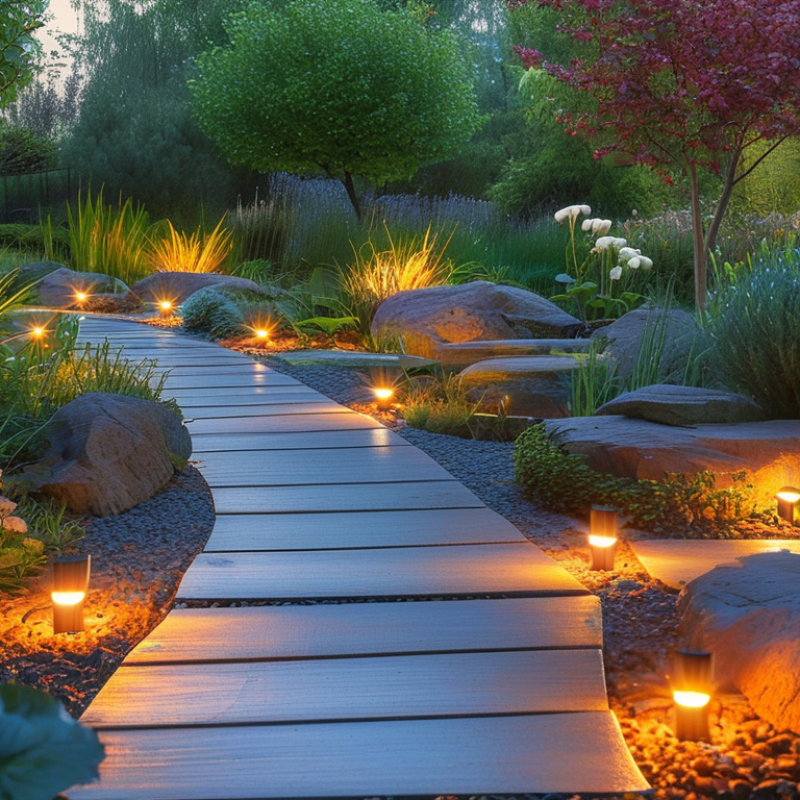
Introduction to LED Garden Lights: Benefits and Features
LED garden lights have become a popular choice for outdoor illumination. They offer numerous benefits that enhance both aesthetics and functionality. One study indicates that energy-efficient LED lights can reduce electricity consumption by up to 80% compared to traditional bulbs. This significant reduction not only lowers bills but also contributes to environmental sustainability.
The features of LED garden lights are noteworthy. Many models include solar panels, enabling them to harness sunlight for power. Reports suggest that the global solar lighting market is expected to reach $8.2 billion by 2026, highlighting the rising demand for sustainable garden lighting solutions. Moreover, LED lights have a lifespan of over 25,000 hours. This longevity means fewer replacements and less waste, though it’s essential to ensure proper installation to maximize efficiency.
However, while the benefits are clear, challenges exist. Some users report difficulties in finding suitable lights for specific outdoor environments. The color temperature of LED lights may not always create the desired ambiance, leading to potential dissatisfaction. Finding the right balance between brightness and aesthetic appeal often requires careful consideration.
Explore the Best LED Garden Lights for Global Buyers
This chart illustrates the key features of LED garden lights based on a rating out of 100. Energy efficiency is the most valued feature, followed by lifespan and brightness, making them an excellent choice for global buyers looking for effective and sustainable garden lighting solutions.
Types of LED Garden Lights: Solar, Plug-In, and More
When selecting LED garden lights, it’s essential to understand the different types available. Solar lights are a popular choice due to their energy efficiency and ease of installation. They harness sunlight during the day, converting it into energy to power the lights at night. According to industry reports, solar garden lights can reduce energy costs by up to 75%. However, their performance can vary based on sunlight exposure, leading to mixed reviews from users.
Plug-in lights are another option, providing consistent brightness and longer operation times. These lights require access to electrical outlets but tend to deliver higher luminosity compared to solar options. Reports indicate that plug-in LED lights can last up to 50,000 hours, significantly outlasting traditional bulbs. Nonetheless, the dependence on electricity can pose challenges during power outages.
Tips: Consider the placement of your lights. Ensure solar lights are positioned to receive maximum sunlight. For plug-in options, plan the layout to avoid unsightly cords. Remember to check local regulations regarding outdoor lighting, as certain areas have restrictions that could affect your choice. Balancing aesthetics, functionality, and sustainability is key to optimizing your garden's ambiance.
How to Choose the Right LED Garden Lights for Your Space
When choosing LED garden lights, consider the size and layout of your space. Larger areas may benefit from bright, robust fixtures, while smaller gardens might require subtle lighting for ambiance. Understand how your plants and structures interact with light. Some plants thrive under soft illumination, while others need stronger light.
Think about the color temperature of the lights you select. Warmer tones create a cozy atmosphere, while cooler shades can highlight features. You can mix these for variety, but avoid clashing hues.
Placement matters too. Overhead fixtures can cast unwanted shadows. Ground lights can enhance pathways, but ensure they don't obstruct movement.
Lastly, consider energy efficiency and durability. Some lights flicker or fade over time. Opt for designs that withstand weather changes, even if they cost more upfront. Remember to balance style and functionality, even if it means compromising on certain features. Every space is unique, so reflect on your choices deeply to find the best fit.
Installation Tips for LED Garden Lights in Your Garden
Installing LED garden lights can transform your outdoor space. They not only enhance beauty but also provide safety and functionality. Here are some helpful tips to make your installation process smoother.
Choose the right location for your lights. Pathways, flower beds, and patios are popular spots. Consider how the lights will illuminate areas. Test different angles before finalizing placements. This approach allows you to adjust for shadows or overly bright spots.
When installing, ensure the ground is level. Uneven surfaces can lead to instability and affect light output. Use stakes for support if the soil is loose. Moreover, be mindful of the wiring. It should be hidden yet accessible for maintenance. Check local regulations on outdoor lighting; they can vary by area.
Finally, don’t forget to plan for seasonal adjustments. Some lights might look great in summer but fail to shine in winter. Reflect on how the changing seasons affect your garden's ambiance. This foresight leads to more harmonious outdoor lighting year-round.
Top Brands and Models of LED Garden Lights on the Market
Choosing the right LED garden lights can transform outdoor spaces. Numerous brands offer a range of innovative options. Important factors include brightness, energy efficiency, and durability. Look for lights made from weather-resistant materials. Many models come with adjustable brightness settings, allowing you to customize your lighting.
Some popular types include solar-powered lights and motion-sensor models. Solar lights are eco-friendly, charging during the day to illuminate at night. Motion-sensor lights add security, activating when movement is detected. When selecting, consider light color as well, which can evoke mood and ambiance.
It’s essential to check reviews and ratings to ensure reliability. Not all lights may meet performance expectations. Some options may underperform in extreme weather. Researching user experiences can help identify potential concerns and shortcomings. Explore and compare different styles to find the best fit for your garden's aesthetic.