10 Best Medical Air Purifiers for Healthier Living Spaces?
In today's world, the importance of clean air cannot be overstated. Many people seek solutions to improve their indoor environments. According to Dr. Emily Carter, a leading expert in respiratory health, “Investing in a medical air purifier is essential for a healthier home.” This highlights the urgency of finding effective air purification solutions.
medical air purifiers can significantly reduce airborne contaminants. Common pollutants include dust, pollen, and pet dander. These particles can contribute to allergies and respiratory issues. Dr. Carter points out that “Even small improvements in air quality can enhance overall well-being.” Hence, choosing the right air purifier is crucial.
While the market offers numerous options, not all are created equal. Many purifiers lack essential features like HEPA filters or UV light technology. It's crucial to research and understand what each model offers. Investing in a high-quality medical air purifier means prioritizing health. As we navigate through various choices, we must reflect on our specific needs. This is a journey towards better air quality and healthier living spaces.
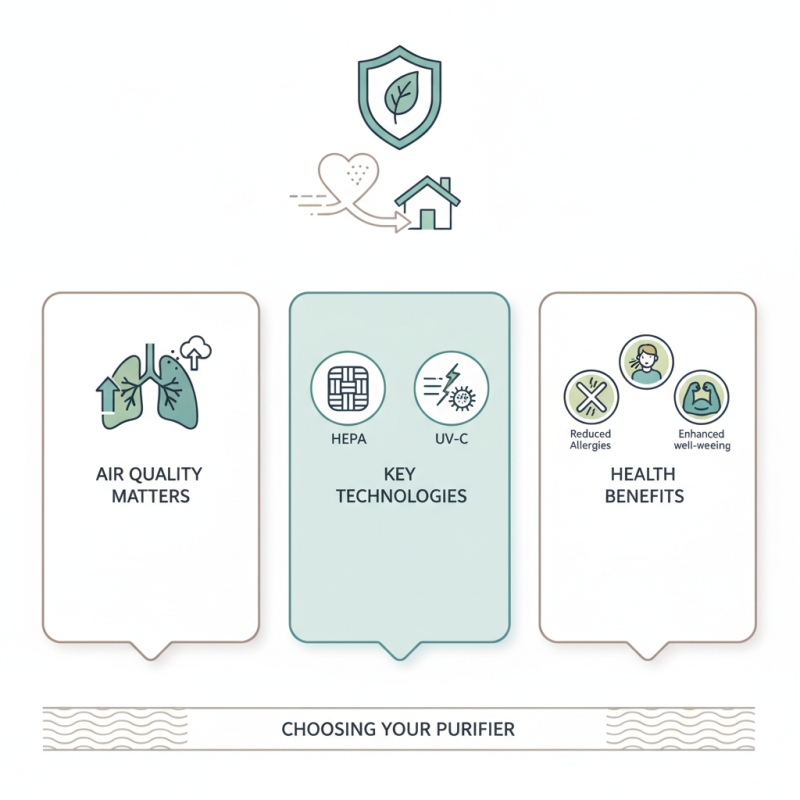
Introduction to Medical Air Purifiers and Their Importance
Medical air purifiers play a vital role in enhancing indoor air quality. Poor air quality can lead to various health issues, including respiratory diseases, allergies, and even cognitive impairments. According to the World Health Organization, air pollution is responsible for about 4.2 million premature deaths globally. The importance of clean air becomes clear when we consider these alarming statistics.
These purifiers use advanced filtration technologies to remove pollutants. Common airborne particles include dust, pollen, and pet dander. Some models filter out viruses and bacteria, offering an additional layer of protection. A study published in the Journal of Environmental Health indicated that using air purifiers can reduce indoor particulate matter levels by up to 50%. This reduction is crucial for vulnerable populations, such as children and the elderly.
However, not all air purifiers perform equally well. Some may struggle with larger particles or specific contaminants. Regular maintenance is essential for optimal performance. Filters need changing, or effectiveness declines. Hence, consumers must reflect on their needs before choosing a unit. Balancing features, costs, and energy efficiency can be challenging. It’s important to stay informed and make educated decisions about air purification.
10 Best Medical Air Purifiers for Healthier Living Spaces
| Model | Filtration Type | CADR (Clean Air Delivery Rate) | Coverage Area | Noise Level | Price Range |
| Model A | HEPA + Activated Carbon | 300 m³/h | 700 sq. ft. | 30 dB | $200 - $250 |
| Model B | HEPA | 260 m³/h | 600 sq. ft. | 28 dB | $150 - $200 |
| Model C | HEPA + UV-C | 350 m³/h | 800 sq. ft. | 32 dB | $300 - $350 |
| Model D | Activated Carbon | 200 m³/h | 500 sq. ft. | 25 dB | $100 - $150 |
| Model E | HEPA + Ionizer | 310 m³/h | 750 sq. ft. | 34 dB | $250 - $300 |
Key Features to Consider When Choosing Medical Air Purifiers
When choosing medical air purifiers, several key features must be considered. HEPA filters are crucial. They can capture 99.97% of particles, including allergens, dust, and pathogens. According to the American Journal of Respiratory and Critical Care Medicine, indoor air can be five times more polluted than outdoor air. Thus, a robust filtration system is imperative.
The Clean Air Delivery Rate (CADR) measures an air purifier's effectiveness. A higher CADR indicates better performance in removing smoke, pollen, and dust. The ideal CADR rating varies by room size. For a room of 150 square feet, a CADR of at least 150 is recommended. Noise levels are also important; some units operate at over 50 decibels, which can disrupt daily activities and sleep.
Many users overlook the importance of maintenance. Filter replacement is necessary for optimal functioning. Neglecting this can lead to reduced efficiency and may release trapped pollutants back into the air. A purifier with a filter indicator can help in avoiding this issue. Consider energy consumption as well; a model with Energy Star certification can reduce electricity usage.
Top 10 Medical Air Purifiers Reviewed for Healthier Living Spaces
Indoor air quality significantly impacts health. According to the World Health Organization (WHO), air pollution can lead to various respiratory problems. In fact, a study showed that 4.3 million people die annually from household air pollution. This highlights the importance of having effective air purifiers in living spaces.
Medical air purifiers specialize in filtering out harmful particles such as allergens and pathogens. They often utilize HEPA filters capable of capturing 99.97% of particles as small as 0.3 microns. This includes dust, pollen, and smoke. Additionally, some models incorporate UV-C light to neutralize viruses and bacteria, providing an extra layer of defense for your family.
Despite advancements, not all air purifiers are created equal. Many models claim effectiveness but may fall short in real-world conditions. It is crucial to consider factors like room size, filter replacement frequency, and noise levels. Some users report high energy consumption in certain units, which can lead to higher utility bills. The right choice requires careful assessment and reflection on personal needs and environmental factors.
Top 10 Medical Air Purifiers Performance Comparison
Benefits of Using Medical Air Purifiers for Respiratory Health
Medical air purifiers can significantly enhance respiratory health. These devices filter out harmful particles, allergens, and pathogens present in indoor air. Many people suffer from allergies or respiratory issues. Regular use of air purifiers helps reduce symptoms and improve overall well-being. Cleaner air promotes better sleep and increased productivity.
Tips for choosing a medical air purifier: Look for models with HEPA filters. These capture 99.97% of particles. Consider the room size to ensure proper coverage. Some purifiers also have activated carbon filters, which help eliminate odors. Noise levels matter too. A quieter model is ideal for bedrooms or office spaces.
Maintaining an air purifier is essential. Change filters as recommended. Neglecting this can reduce its efficiency over time. Keep an eye on the air quality indicators, if available. It's easy to forget, but dirty filters lead to poorer air quality. Reflect on your needs and find a unit that fits your lifestyle.
Maintenance Tips for Optimal Performance of Air Purifiers
Proper maintenance of air purifiers is essential for optimal performance. Regularly check and replace filters according to the manufacturer’s recommendations. Clogged or dirty filters can reduce airflow and efficiency, leading to unfiltered particles circulating in your space. A little reminder: set a calendar alert for filter replacements.
Cleaning the exterior of the unit is also crucial. Dust and dirt can accumulate on surfaces. A simple wipe down with a damp cloth can work wonders. Ensure the air intake vents are free from obstructions. Forgetting this step can compromise the purifier's effectiveness over time.
Keep an eye on the placement of your device. It should be in a location with good airflow. Placing it too close to walls or furniture can hinder performance. It’s often tempting to tuck it away, but that could be counterproductive. Even small adjustments can make a significant difference in air quality. Regular maintenance and attention to details matter for healthier living spaces.