Best Methods for Bending Metals in Manufacturing?
In the world of manufacturing, Bending Metals is a crucial process that shapes countless products. According to the Metal Forming Association, the industry is projected to grow by 3.2% annually. This growth reflects the rising demand for precision in metal fabrication. Experts note that the techniques used in bending metals can significantly impact efficiency and product quality.
John Smith, a leading expert in metalworking, emphasizes, "Innovative bending techniques not only improve accuracy but also reduce waste." This underscores the importance of adopting modern methodologies in metal bending. However, many manufacturers still rely on outdated methods, which can lead to costly errors and inefficiencies.
The challenge lies in balancing traditional skills with new technologies. Many industries are hesitant to change. Yet, the long-term cost benefits can be substantial. Bending metals with updated techniques could enhance product durability and performance. As the market evolves, embracing the best methods for bending metals will be essential for manufacturers aiming to stay competitive.
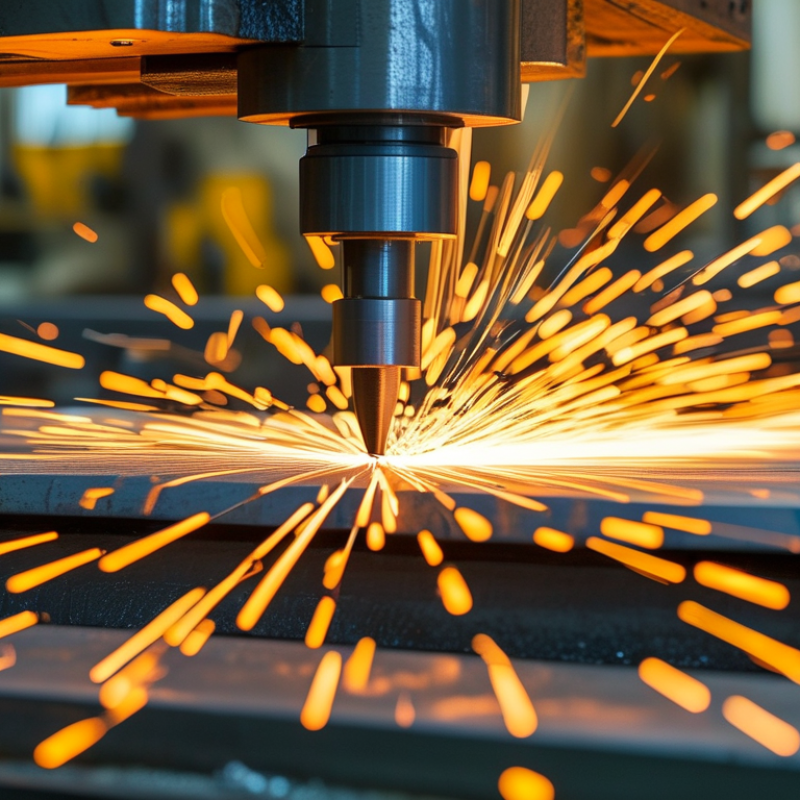
Types of Metals Commonly Used in Bending Processes
Bending metals is crucial in manufacturing. Various metals are commonly used in the bending process. Each type has unique properties that affect the bending method.
Steel is one of the most widely used metals. It is strong and versatile. It can withstand significant stress. Aluminum is another popular choice. It is lightweight and resistant to corrosion. However, aluminum can be more challenging to bend due to its softness. Copper, known for excellent conductivity, is often used in electrical applications. Its ductility makes it suitable for complex bends.
There are concerns when bending metals. For example, improper techniques can introduce defects. Steel's high yield strength might require specialized machines. Overheating can alter metal properties. Learning the right parameters is essential for quality results. Each metal requires a tailored approach. Understanding these characteristics is vital for successful manufacturing.
Best Methods for Bending Metals in Manufacturing
Overview of Metal Bending Techniques in Manufacturing
Bending metals is a critical process in manufacturing. Several techniques are employed, each with unique advantages. Common methods include air bending, bottoming, and coining. Each of these techniques has its specific applications and outcomes.
Air bending involves using a punch and a die to create a bend. The metal does not fully touch the die, allowing for flexibility in angles. This method is efficient but can lead to variations in dimensions. Bottoming fully engages the metal with the die, producing precise angles and shapes. However, it may also create stress in the metal. Coining is the most precise method, compressing the metal for exact specifications. Yet, it often requires more force and specialized equipment.
These techniques highlight the balance between precision and flexibility. Each method has trade-offs that affect product quality. Manufacturers must consider the desired outcome and limitations of each approach. Experimentation may reveal insights into optimizing processes, emphasizing the importance of ongoing evaluation in manufacturing practices.
Step-by-Step Guide to Manual Metal Bending Methods
Bending metals is a fundamental process in manufacturing. Manual techniques can provide precision and control. Understanding these methods will enhance your skills.
To begin with, use a bending jig to maintain consistent angles. A sturdy surface is essential. Clamp the metal securely to prevent any unwanted movement. It’s about ensuring safety and accuracy. Use a protractor to check measurements frequently. This step can save time later.
**Tips:** Always wear protective gear, like gloves and goggles. They are vital for safety. Test on scrap metal first. This practice will help refine your technique and avoid costly mistakes.
Another method is freehand bending. While it allows for creativity, it requires a steady hand. It can feel intimidating at first. Consider practicing on small pieces. This approach leads to better muscle memory. Reflect on your progress, as improvement takes time.
**Tips:** Take breaks to avoid fatigue during longer sessions. Even experienced craftsmen need it. Evaluate your bending angles regularly. Small inconsistencies can compound over time. This reflective practice will enhance your skill set.
Review of Mechanical and Hydraulic Bending Machines
When it comes to bending metals in manufacturing, mechanical and hydraulic bending machines play crucial roles. Mechanical bending machines use a lever system that translates force, making them ideal for simple bends and lower volume production. Their design is more straightforward and usually results in lower maintenance costs. However, they may struggle with thicker materials and complex shapes, limiting their versatility in certain applications.
On the other hand, hydraulic bending machines utilize fluid power to create force. This method allows for greater flexibility and precision, especially with varied thicknesses of metal. Hydraulic machines can handle more complex geometries, making them suitable for diverse projects. Yet, they often require more significant investment and upkeep. With intricate designs, hydraulic systems can occasionally present reliability issues, leaving room for improvement in engineering practices.
Bending metals often requires careful consideration of the machine type. Evaluating the specific needs of a project is vital for choosing the appropriate equipment. Each machine has its unique strengths and weaknesses. Understanding these can significantly enhance production efficiency while minimizing errors during the bending process.
Considerations for Selecting the Right Bending Method
When selecting a bending method for metal fabrication, several key considerations can influence outcome. First, the metal type plays a crucial role. Different metals exhibit varying ductility and yield strength. For example, aluminum can bend easily, while stainless steel may require more force. A recent industry report highlighted that improper method selection could lead to material wastage, impacting both costs and project timelines.
Tooling options also affect the bending process. Choosing the right dies and machinery is essential. Precision is vital, as errors can cause rejects and delays. In 2022, studies showed that about 30% of bending errors stemmed from incorrect setup and tooling choices. This statistic underscores the importance of training and expertise in handling bending equipment. Additionally, the selected bending radius impacts the final product's integrity.
Cost considerations should not be overlooked. While advanced methods like CNC bending offer accuracy, they may involve significant setup costs. In contrast, manual methods are lower in cost but can lead to inconsistencies. Understanding the trade-offs between precision and cost is essential for effective decision-making in manufacturing environments.