
A reliable drilling program depends on small parts doing demanding work. Mud pump valves open and close thousands of times under pressure, moving drilling fluid through the pump while abrasive solids pass nearby. When a valve wears, leaks, or seats poorly, pressure can fluctuate, temperatures can rise, and downtime can follow. The failure may look sudden. Often, the clues were already there: a chipped insert, uneven wear, or a faint change in pump rhythm.
This guide compares seven Mud Pump Valve options for drilling operations, focusing on material, design, compatibility, and service conditions. The right choice depends on more than a product label. Fluid chemistry, solids content, operating pressure, pump model, and maintenance practices all matter. A carbide component may suit severe abrasion, while another application may favor a different balance of toughness and cost. No single valve is best for every rig. That is easy to forget.
A note on the quotation: the named specialist below is a fictional composite, and the line is an editorial summary, not a verified quotation. “A valve earns reliability through the match between its materials, the pump, and the fluid it must handle.” — Daniel Reed, fictional mud-pump maintenance specialist. Use this as a practical lens, not a substitute for manufacturer specifications or inspection records. This comparison aims to clarify trade-offs, while acknowledging an imperfect reality: even a well-chosen valve can fail when conditions change or maintenance slips.
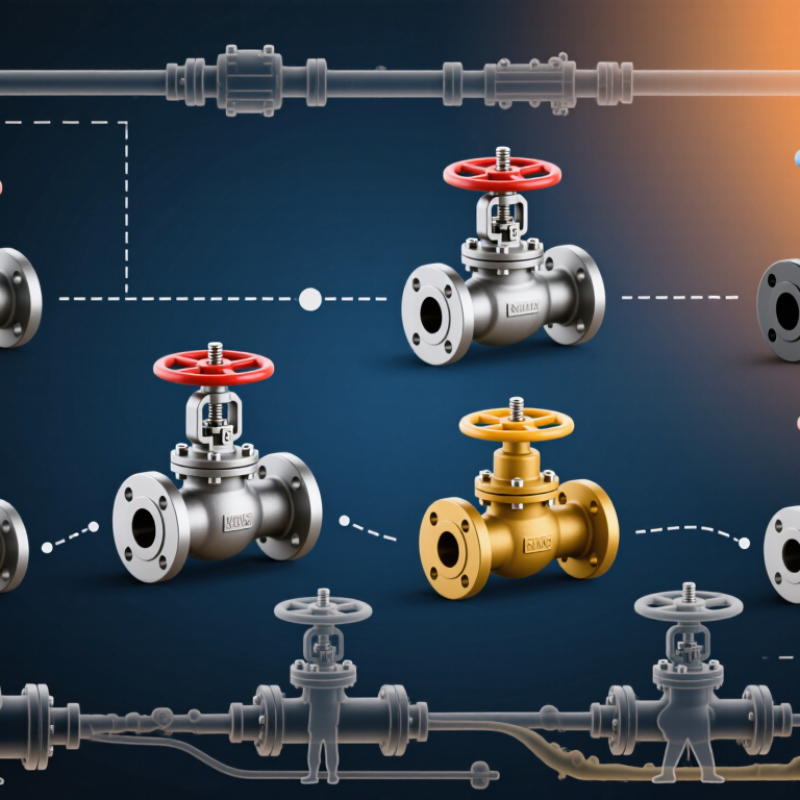
Mud pump valves control the direction of drilling fluid during each pump cycle. As a piston retracts, suction valves open and fluid enters the chamber. The piston then advances, closing the suction side and opening discharge valves. This repeated motion sends fluid through the drill string to cool the bit and carry cuttings upward. The process is simple to describe, but demanding in practice. Pressure changes quickly.
Reliable flow depends on valves sealing cleanly against their seats. Abrasive solids can wear sealing surfaces, while trapped debris may prevent full closure. A faint leak can reduce output and create uneven pressure.
Small parts. Big consequences. Operators can watch for pressure fluctuations, unusual knocking, or a drop in flow, then inspect valves during planned maintenance. Exact inspection intervals depend on operating conditions and fluid composition.
Choosing a valve means considering pressure, temperature, fluid chemistry, and the size and amount of solids in the mud. Material compatibility matters, but so do seat design and fit within the pump. It is tempting to focus only on a valve’s listed pressure rating; field conditions can expose weaknesses that a rating alone does not reveal. Check wear patterns and follow the pump maker’s service guidance. A little uncertainty remains: no valve lasts equally long in every drilling setup.
Choosing a mud pump valve means comparing more than its pressure rating. Check the pump model, fluid chemistry, solids load, and operating temperature. A valve that sits poorly against its seat may leak, wear unevenly, and reduce pumping efficiency. Fit matters.
Compare body and insert materials with the drilling fluid and expected abrasiveness. For solids-heavy mud, request wear data from conditions similar to your operation; a catalog claim alone reveals little. Check elastomer compatibility, too, since swelling or hardening can affect sealing. Review the valve’s dimensions, opening behavior, and pressure-loss data alongside the pump manufacturer’s specifications. Small differences matter.
Maintenance deserves equal attention. Can crews inspect and replace the valve without awkward access or special tools? Ask about expected service intervals, available inspection guidance, and documented test methods. There is no universal winner: a tougher material may cost more or complicate replacement. I would not assume the longest stated service life is the best choice; operating conditions often differ from test conditions. Compare evidence, then revisit the choice after recording actual wear and leakage.
Pressure rating is a key feature to compare when selecting a valve. Use the chart as a unit-conversion reference, then confirm the valve’s rated working pressure against the pump and operating requirements.
Values show psi-to-MPa conversions (1 psi = 0.00689476 MPa); they are reference pressure levels, not universal mud pump valve ratings. Check the equipment documentation and applicable standards before selection.
Mud pump valves face different combinations of pressure, solids, temperature, and cycling. The IEA’s Oil 2024 report projects global oil demand at 105.4 million barrels per day by 2030, a useful reminder that drilling equipment must serve varied operating conditions. That forecast does not predict valve wear; actual service depends on the mud and pump duty.
Seven options suit different needs: steel-on-steel valves for tough, higher-temperature service; polyurethane inserts for abrasion resistance; nitrile inserts where oil compatibility matters; HNBR inserts for demanding heat and fluid exposure; ceramic components for wear resistance; tungsten-carbide hardfaced seats for abrasive mud; and interchangeable valve-and-seat assemblies for straightforward field replacement. These categories can overlap. Check fluid compatibility, temperature limits, and the pump maker’s pressure rating before choosing. Small details matter.
In the field, inspect sealing faces for washout and inserts for cuts or swelling. Compare failure patterns across trips, not just purchase price. API Spec 7K provides a relevant framework for drilling-equipment requirements, but a specification cannot replace checking the current edition and the equipment’s documentation. One caution: harder surfaces may resist wear yet tolerate impact less well. A material chart alone will not settle that trade-off.
A mud pump valve works through repeated pressure cycles while abrasive solids pass across its sealing surfaces. Valve material and geometry therefore matter as much as nominal pressure rating. Hardened alloy steel can resist impact, while tungsten-carbide surfaces often handle abrasive wear better; however, hard materials may chip when solids strike at high speed. Elastomer inserts also need to match mud chemistry and temperature. Oil-based fluids can swell some compounds, while heat can accelerate hardening and cracks. Small details matter.
The 2016 NACE International IMPACT study estimated corrosion costs at US$2.5 trillion worldwide, or 3.4% of global GDP, and said 15–35% could be avoided through corrosion-control practices. That figure is not specific to mud pumps, but it underlines why material compatibility deserves attention. In service, inspect valve faces for washout, check inserts for cuts, and compare wear across the suction and discharge sides. A polished surface may hide early damage. Design matters too: stable valve guidance and even seating reduce impact and uneven contact. Hardness is not everything. I would not choose a valve from material data alone; solids, fluid chemistry, pressure cycles, and inspection findings all shape its real service life.
7 Best Mud Pump Valves for Reliable Drilling
How to Select and Maintain the Right Mud Pump Valve
Choosing a mud pump valve starts with the fluid it must handle. Check the mud’s solids, abrasiveness, temperature, and operating pressure. These conditions affect valve material, sealing performance, and service life. A valve that suits clean fluid may wear quickly in mud carrying sharp cuttings. Match its dimensions and pressure rating to the pump specifications, too. Small details matter.
Keep a record of operating hours, pressure changes, and recurring leaks. This helps reveal whether a valve is wearing normally or failing early. During scheduled maintenance, shut down and depressurize the pump before opening it. Inspect the valve body, seat, and sealing surfaces for cracks, pitting, or uneven wear. Wear tells a story. Replace damaged parts with compatible components, and follow the equipment maker’s torque and installation guidance.
Clean components carefully; trapped grit can spoil a new seal. After reassembly, check for leaks and unusual noise during a controlled restart. I have seen a “good enough” visual inspection miss a chipped seat, so appearance alone is not proof. Maintenance intervals may need adjustment as fluid conditions change. Keep notes, compare findings, and revise the schedule when wear patterns point to a problem.
| Valve Selection | Typical Service | Key Material or Design | Main Advantage | Selection Considerations | Maintenance Checks |
|---|---|---|---|---|---|
| General-purpose polyurethane-insert valve | Many drilling-fluid services where the fluid and operating temperature are compatible with the insert compound. | Steel valve body with a replaceable polyurethane insert; paired with a compatible seat. | Polyurethane can offer good abrasion resistance in applications with circulating solids. | Confirm compound compatibility with the mud, temperature, pressure, and pump design. Polyurethane is not suitable for every fluid or temperature range. | Inspect the insert for cuts, chunking, swelling, cracking, or permanent deformation; check the valve and seat for uneven contact. |
| NBR-insert valve | Applications where a nitrile rubber compound is compatible with the drilling fluid and service conditions. | Steel valve body with a replaceable NBR (nitrile rubber) insert. | NBR is commonly used where oil resistance is needed, subject to the specific compound and fluid. | Check chemical compatibility and temperature limits with the fluid supplier or equipment documentation; do not assume all NBR compounds perform alike. | Look for softening, swelling, hardening, cracks, and loss of sealing contact; replace damaged inserts. |
| HNBR-insert valve | Service requiring a nitrile-based elastomer with improved heat or mechanical properties compared with standard NBR. | Steel valve body with a replaceable HNBR (hydrogenated nitrile rubber) insert. | May provide better resistance to heat and wear than standard NBR in suitable formulations. | Confirm the exact compound’s temperature and chemical limits. HNBR is not automatically compatible with every mud or additive. | Inspect for cracking, abrasion, swelling, and loss of resilience; compare wear across valves to identify operating or alignment issues. |
| Wear-focused polyurethane valve | Solids-laden mud service where insert wear is a recurring concern and polyurethane is chemically and thermally suitable. | Replaceable polyurethane insert selected for the service conditions, with a matched valve body and seat. | A suitable polyurethane formulation can help resist abrasive wear from circulating solids. | Higher solids loading can still accelerate wear. Verify fluid compatibility, temperature rating, and correct valve-and-seat geometry. | Track wear at consistent inspection intervals; check for cuts, erosion, and uneven seating, and replace parts that no longer seal properly. |
| Corrosion-resistant wetted-component valve | Fluids or operating environments where corrosion of wetted metal components is a documented concern. | Valve and/or seat made from a corrosion-resistant alloy selected for the specific fluid exposure. | Can reduce corrosion-related degradation when the alloy is correctly matched to the service. | Material selection must account for the complete fluid chemistry, temperature, and pressure. Corrosion resistance does not guarantee resistance to erosion or cracking. | Inspect wetted surfaces for pitting, corrosion, erosion, and damage at contact areas; follow the equipment manual for replacement criteria. |
| Hard-faced valve and seat assembly | Applications where erosion or contact wear on metal sealing surfaces is a known maintenance issue. | Valve and seat with compatible hard-facing or wear-resistant surface treatment. | Can improve surface wear resistance when the treatment and base materials suit the operating conditions. | Check that the treatment is intended for the fluid and impact conditions. Surface damage or incompatible mating parts can compromise sealing. | Inspect for spalling, cracks, scoring, and uneven wear; replace damaged mating parts as directed by the pump manufacturer. |
| OEM-matched full-open valve-and-seat assembly | Replacement work where preserving the intended flow path and fit of the fluid end is important. | Valve and seat matched to the pump model, fluid-end design, dimensions, and specified pressure rating. | Correct fit helps maintain designed operation and avoids problems caused by mismatched dimensions or parts. | Verify the pump model, valve size, seat dimensions, materials, and pressure rating against the equipment documentation. “Full-open” designs are not interchangeable across pumps. | Check seating surfaces, guides, springs where fitted, and fasteners; install and tighten components using the equipment manual’s procedure. |
Selection and maintenance note: There is no universally best mud pump valve. Confirm dimensional fit, materials, operating limits, and pressure rating for the specific pump and drilling fluid. Inspect valves and seats regularly, replace damaged or leaking components, and follow the pump manufacturer’s maintenance instructions.
Phone: (256) 845-1255 or (256) 845-4493
Fax: (256) 845-1321 or (256) 845-4468
© 2025 Heritage Wire Harness, LLC