2026 Best Pu Sealant Foam Factory In China for Global Buyers?
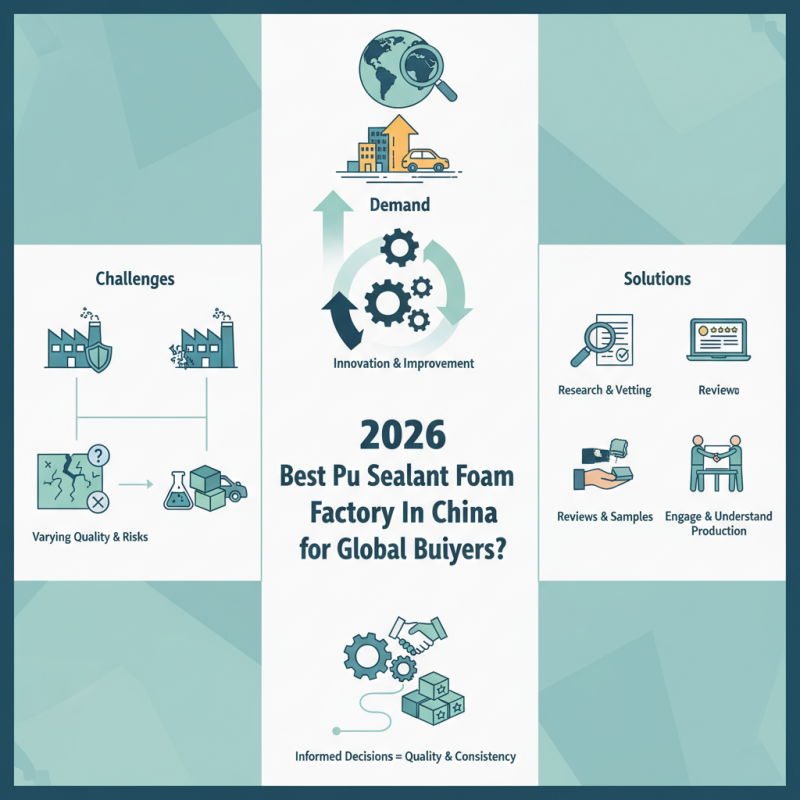
In the quest for quality and reliability, global buyers often search for the best Pu Sealant Foam Factory In China. This country has become a hub for affordable and high-performance sealant solutions. The increasing demand for construction and automotive applications drives manufacturers to innovate and improve their products.
However, not all factories meet the high standards expected by international clients. Some factories may lack the necessary certifications or use inferior materials. This inconsistency can lead to varying product quality, posing risks to end-users. It’s crucial for buyers to research and vet potential suppliers. Understanding the factory's reputation and production methods can reveal much about the reliability of their products.
Overall, finding a trustworthy Pu Sealant Foam Factory in China requires diligence. Buyers should seek out industry reviews and ask for samples before committing. Engaging with manufacturers can also provide insight into their production processes and quality assurance practices. Making informed decisions can lead to successful partnerships that ensure quality and consistency in this competitive market.
Overview of PU Sealant Foam and Its Global Demand
PU sealant foam has become increasingly important in various industries. Its versatility allows it to be used in construction, automotive, and even aerospace. The global demand for this material continues to rise due to its exceptional sealing properties and insulation capabilities. Buyers around the world seek reliable sources for high-quality PU sealant foam.
Tips: Always check the specifications when choosing sealants. Not all PU foams are created equal. Some may not perform well under certain conditions. Testing the product beforehand can help avoid costly errors.
The importance of quality assurance cannot be overstated. Manufacturers must adhere to strict standards to ensure durability and performance. However, not all producers may meet these standards. Buyers should investigate the production processes of potential suppliers. This will help establish trust and reliability in the long term. It's vital to prioritize manufacturers with a proven track record.
Not every sealant foam will meet your project's demands. Some foams may expand too much or not adhere properly. This mismatch can lead to inefficiencies in construction. Continuous feedback from users can guide improvements in product quality. Therefore, collaborating with manufacturers is crucial for optimizing outcomes. Quality needs assessment is the key for any buyer.
Key Features and Advantages of PU Sealant Foam Products
PU sealant foam products offer remarkable advantages for various applications. One of the key features is their excellent thermal insulation. According to industry reports, these foams can achieve R-values up to 6.5 per inch. This high insulation value helps in energy savings, reducing heating and cooling costs significantly. Another notable benefit is their water resistance. Many PU foam sealants form a barrier that prevents moisture penetration, making them ideal for construction and outdoor applications.
When selecting a PU sealant foam, consider its curing time and adhesion qualities. Some products may cure too quickly, making them challenging to apply evenly. Aim for a sealant with a moderate curing time, allowing for better application control. Additionally, check for adhesion to various substrates like wood, metal, and concrete, ensuring versatility in usage.
Tips: Always test a small area before full application. This can prevent costly mistakes and ensure compatibility. Be cautious of any off-gassing during installation; quality products emit minimal VOCs, contributing to healthier indoor air quality. Evaluating these factors can lead to better choices in PU sealant foam for your projects.
Top Manufacturers of PU Sealant Foam in China
In recent years, polyurethane (PU) sealant foam has gained momentum. Various manufacturers in China offer innovative products. The demand for PU sealants is projected to reach 2.4 million tons by 2026, driven largely by construction and automotive sectors. High-performance sealing solutions help improve energy efficiency and overall structural integrity.
China's PU sealant foam market is competitive. Leading manufacturers focus on research and development to enhance product quality. They aim to create foams that offer superior adhesion and durability while being environmentally friendly. However, product consistency remains a challenge for some companies. Variations in formulation can lead to different performance outcomes.
Another aspect to consider is regulatory compliance. Manufacturers must adhere to international standards. This can strain smaller factories that lack resources for testing and certification. The landscape is evolving, with larger firms investing more in technology. Yet, many still face challenges in scaling production while maintaining quality. Overall, the market holds potential, but careful evaluation of suppliers is crucial for global buyers.
Evaluation Criteria for Choosing a PU Sealant Foam Factory
When choosing a PU sealant foam factory, evaluation criteria are crucial. Focus on production capacity and technology. A factory with advanced equipment ensures consistent quality. According to industry reports, high-quality products can reduce installation costs by 20%. This statistic highlights the importance of selecting the right manufacturing partner.
Another essential factor is the factory's certifications. ISO and other quality management certifications indicate adherence to global standards. These certifications reflect their commitment to excellence. A factory lacking proper certifications may produce inferior materials. This can lead to product failures and increased warranty claims, affecting both reputation and finances.
Additionally, consider the factory's experience in international markets. Experience shapes the factory's understanding of various regulations. It also reflects their ability to adapt products for specific needs. However, new entrants can also offer innovative solutions. These newer factories may need more time to establish credibility. Balancing experience with innovation can pose a challenge for buyers. Assessing each factory's strengths and weaknesses is vital for making informed decisions.
Future Trends in the PU Sealant Foam Industry and Market Growth
The PU sealant foam industry is evolving rapidly. Market research indicates a compound annual growth rate (CAGR) of 7.4% through 2026. This growth is attributed to increasing demand in construction and automotive sectors. Innovations in production techniques are enhancing foam performance and application methods.
One trend to watch is the shift towards environmentally friendly formulations. Many manufacturers are exploring bio-based materials. Reports suggest that 40% of industry players are investing in sustainable practices. This shift not only meets regulatory demands but also attracts eco-conscious consumers.
Tips: Look for products with certifications that ensure sustainability. Ensure that the production facility adheres to international safety standards. Investing in these products might benefit the environment and your projects in the long run. However, the transition to greener options can sometimes lead to higher initial costs, requiring careful financial planning. The challenge lies in balancing sustainability with performance.
2026 Best PU Sealant Foam Market Trends