2026 Best Raised Floor Solutions for Global Buyers?
As the demand for innovative workspace solutions grows, the Raised Floor industry stands at the forefront of this transformation. Leading expert in the field, Dr. Emily Chen, states, “A well-designed raised floor system can enhance flexibility and efficiency.” This statement highlights the essential role raised floors play in modern infrastructure, especially in offices and data centers.
The entire industry is evolving rapidly, with advancements tailored to meet global buyers' needs. Raised floor solutions not only support essential cabling and utilities but also improve air circulation and space utilization. However, buyers often face challenges in choosing the best system for their specific requirements. The variety of options can be overwhelming, and some solutions may not provide the intended benefits.
Each installation can significantly impact overall performance. It’s crucial for buyers to assess their unique environments and future needs before making a commitment. Understanding the product specifications and potential limitations is essential. This careful consideration can lead to more effective and sustainable outcomes. Choosing the right raised floor system requires both insight and foresight.
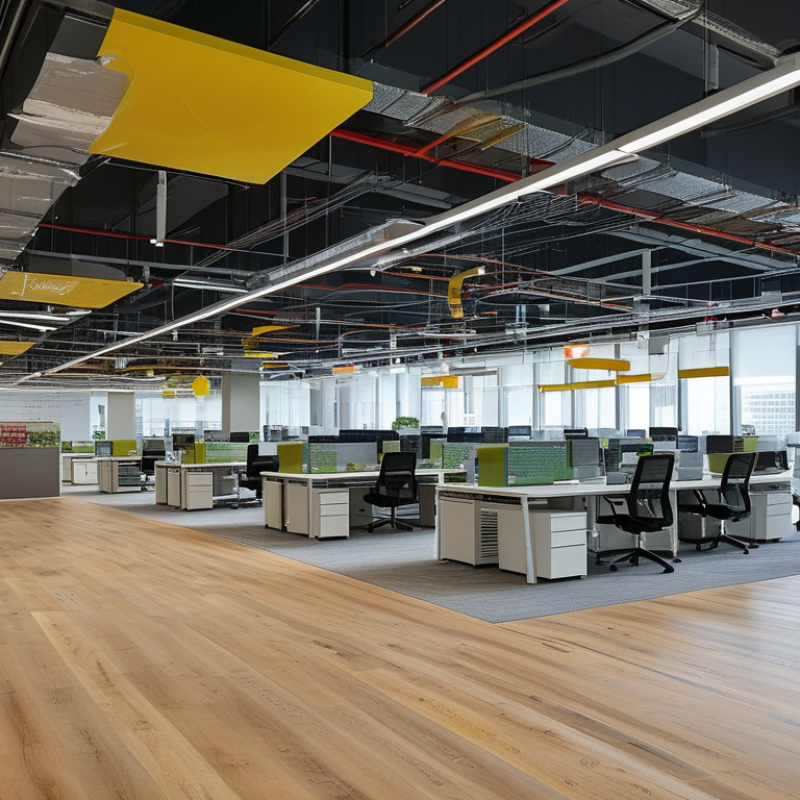
Overview of Raised Floor Solutions in 2026
As we look ahead to 2026, the landscape of raised floor solutions is evolving rapidly. This innovation caters to diverse sectors like data centers, offices, and retail spaces. Modern designs emphasize flexibility and sustainability. They accommodate changing technology needs and employee requirements, promoting adaptability in dynamic environments.
Increasing demand for energy efficiency has driven manufacturers to prioritize materials that reduce carbon footprints. Modular designs are gaining traction, making installation and maintenance easier. However, not all solutions are perfect. Some designs may lack sufficient airflow, which could lead to cooling issues in sensitive equipment. Additionally, costs can vary significantly, potentially limiting options for smaller businesses.
The diversity of raised floor systems can be overwhelming. Some might find the potential for customization appealing, while others may struggle with decision fatigue. Organizations must weigh their specific needs against the available options. It’s essential to consider long-term impacts, not just immediate costs. Thoughtful selection of raised floor systems can lead to improved efficiency and performance in the years to come.
Key Features of Modern Raised Floor Systems
Modern raised floor systems are increasingly popular in various commercial spaces. These systems provide flexibility and accessibility for electrical and mechanical services. One key feature is the ease of installation and maintenance. Technicians can quickly access wiring and plumbing without disrupting operations.
Another important aspect is the design versatility. Raised floor systems can accommodate different interior layouts. They come in various materials, including wood, steel, and composite options. However, selecting the right material requires careful consideration. Some materials may not provide adequate durability for high-traffic areas.
Moreover, raised floor solutions enhance air circulation. This is crucial for energy efficiency in large buildings. Yet, they can sometimes create challenges in maintaining consistent temperature and humidity levels. Regular assessments are essential to ensure performance aligns with expectations. While these features appeal to many, users must reflect on their specific needs and conditions before choosing a system.
Comparative Analysis of Global Raised Floor Suppliers
The global raised floor market is projected to reach $2.05 billion by 2026, driven by the need for flexible office environments. Research indicates that over 50% of data centers utilize raised flooring solutions. This approach enhances airflow management, improving energy efficiency. Companies seek suppliers who offer modular solutions, which can adapt to changing technology needs.
A comparative analysis reveals varying quality standards among suppliers. Some manufacturers excel in durability, while others prioritize aesthetics or ease of installation. A report from a leading industry analyst noted that over 30% of installations faced issues due to subpar materials. This inconsistency is a crucial factor for buyers. They must assess suppliers meticulously to avoid costly future renovations.
Additionally, environmental sustainability is becoming critical. Suppliers who incorporate recycled materials often attract more buyers. However, the sourcing of these materials can be inconsistent. Many consumers remain unaware of the sourcing practices behind raised floor panels. This lack of transparency could lead to trust issues. As demand grows, ensuring sustainable practices will be vital for reputable suppliers in the marketplace.
2026 Best Raised Floor Solutions - Comparative Analysis
Sustainability and Innovation in Raised Floor Technology
The raised floor industry is evolving, focusing on sustainability and innovation. Modern raised floor solutions are being designed with eco-friendly materials. These materials reduce the carbon footprint and improve indoor air quality. Engineers are increasingly incorporating recycled content in floor tiles and supports. This shift reflects a growing awareness of environmental issues.
Innovative designs enhance functionality. Modular systems allow for easy adjustments and upgrades. They cater to ever-changing technology needs in workspaces. Energy-efficient ventilation systems are integrated into raised floors. These systems help in reducing energy consumption. However, not all solutions meet the sustainability criteria perfectly. Some products still rely on non-renewable resources.
The market demands transparent sourcing and production practices. Buyers must seek out solutions that prioritize sustainability. This often requires research and diligence. Understanding the actual impact of raised floor materials is crucial. Engaging with manufacturers on their sustainability claims can help. These conversations may reveal both strengths and weaknesses in their offerings.
Market Trends Influencing Raised Floor Solutions in 2026
As we approach 2026, the raised floor solutions market is evolving. Designers and builders are increasingly focused on flexibility and sustainability. Many commercial spaces are looking to enhance airflow and improve accessibility for maintenance. These factors are driving the innovation in raised floor systems, making them more adaptable to changing needs.
Energy efficiency remains a critical trend. New materials are being developed to reduce energy consumption. This is particularly important in larger installations, where operating costs can escalate quickly. However, not all solutions are universally applicable. Some systems may not fit all types of building designs, presenting a challenge during the planning stages.
The trend towards smart technology integration is also notable. Raised floors are now being designed to accommodate advanced cabling and sensors. This enables better data management and environmental control. Yet, this complexity can lead to installation difficulties. Effective training for installation teams is essential to avoid potential pitfalls. The balance between innovation and practicality is key in shaping future raised floor solutions.
2026 Best Raised Floor Solutions for Global Buyers
| Solution Type | Material | Sustainability Rating | Key Features | Estimated Price ($/sq ft) |
| Traditional Raised Floor | Steel | B | Durable, Easy Accessibility | 8.00 |
| Access Floor | Polymer | A | Lightweight, Corrosion Resistant | 10.00 |
| Modular Flooring | Wood Composite | B+ | Thermal Comfort, Aesthetic Appeal | 9.50 |
| Carpet Tiles | Nylon | A+ | Sound Absorption, Easy Installation | 7.50 |
| Raised Access Floor | Concrete | B | High Load Capacity, Stability | 11.00 |