Best Saw Swing Techniques for Precision Cutting?
In the world of woodworking, mastering the saw-swing technique is crucial for precision cutting. According to expert John McGowan, “The beauty of a clean cut lies in the swing.” This statement encapsulates the essence of effective saw-swing practices. Achieving high accuracy requires skill and an understanding of the saw's behavior during the swing.
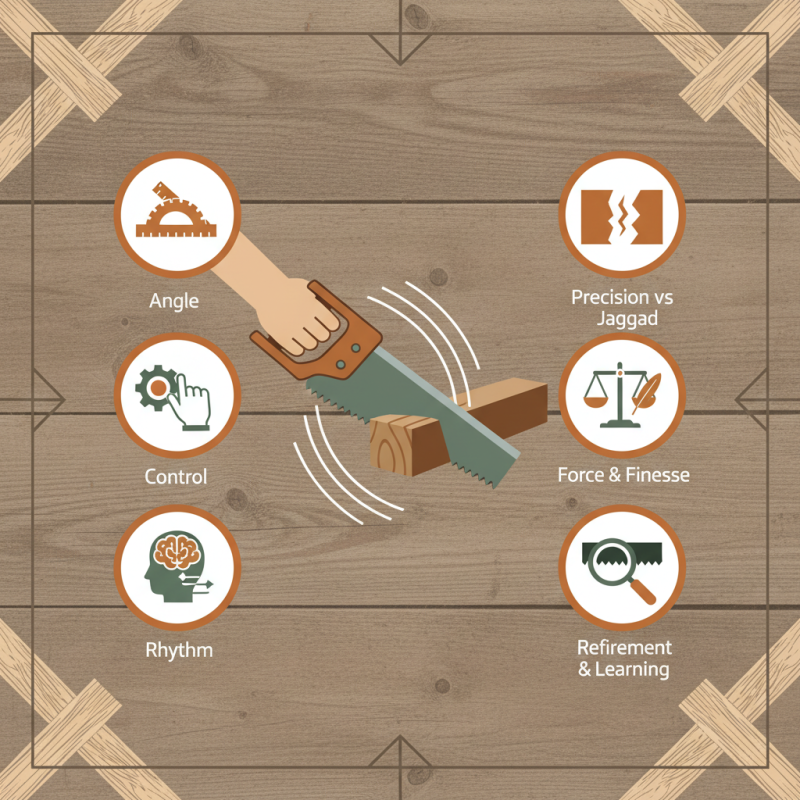
Each swing of the saw must be deliberate. An improper angle can lead to jagged edges and wasted materials. Many beginners struggle with maintaining control. They may find their cuts veering off track, resulting in frustration and rework. It's essential to note that even seasoned woodworkers continue to refine their technique. Embracing mistakes can lead to valuable learning moments.
The art of saw-swing is not just about cutting; it's about feeling the rhythm. Finding the right balance between force and finesse is key. A deeper connection with the tool often brings better results. As we explore the best techniques for precision, let’s reflect on our own practices and consider how we can improve our swing.
Understanding the Importance of Saw Swing Techniques for Precision
Precision in cutting relies heavily on effective saw swing techniques. These techniques can make the difference between a clean cut and a jagged edge. Understanding how to control the swing of a saw is crucial for achieving accurate results. A proper swing allows for smoother movements and reduces the risk of mistakes.
When practicing saw swings, new users often struggle with consistency. Many tend to overcompensate, swinging too wide or too fast. This leads to uneven cuts, which can be frustrating. Focusing on gentle, controlled movements is essential. Visualizing the cutting line can help maintain that focus. Techniques such as practicing on scrap materials are beneficial for building confidence and skill.
The positioning of your body also plays a role in swing techniques. A stable stance allows for better control and balance. Experimenting with foot placement may lead to improved accuracy. Remember, every practitioner has unique preferences. Take time to find what feels best for you. Refinement comes with practice, but there’s always room for improvement.
Essential Tools for Effective Saw Swing Techniques
When it comes to achieving precision cuts with a saw, the right tools are essential. A quality saw can significantly impact your cutting performance. Choose a saw that feels comfortable in your hands. Look for ergonomic grips. These features help reduce fatigue and enhance control during the cutting process. A well-maintained blade is crucial. Regularly check for dullness, as a sharp blade can make a world of difference.
Tips: Always keep your workspace organized. A cluttered environment can lead to mistakes. Take the extra time to clear any distractions. Additionally, practice your swing technique before making final cuts. This can help identify any flaws in your approach. Experiment with different angles and grips to find what works best for you.
Investing in safety gear is just as important. Using goggles protects your eyes from debris. A dust mask can keep harmful particles at bay. While these tools may feel cumbersome, they are necessary for your long-term well-being. Don't rush through these preparations. Reflect on the process. Each step matters in achieving clean, precise cuts.
Best Saw Swing Techniques for Precision Cutting - Essential Tools for Effective Saw Swing Techniques
| Technique | Description | Recommended Tools | Skill Level |
| Plunge Cutting | A technique where the saw blade is plunged straight down through the material. | Circular saw, plunge saw | Intermediate |
| Push Cutting | A forward motion where the blade is pushed through the material, providing control. | Table saw, band saw | Beginner |
| Pull Cutting | The saw blade is pulled towards the user, allowing for precision in cuts. | Hand saw, Japanese saw | Intermediate |
| Compound Cutting | A technique for cutting angles and beveled edges simultaneously. | Miter saw, compound miter saw | Advanced |
| Kerf Cutting | Creating a groove to guide further cuts and improve accuracy. | Circular saw, jigsaw | Intermediate |
Step-by-Step Guide to Mastering Saw Swing Techniques
Mastering saw swing techniques is essential for precise cutting. A study by the National Association of Home Builders revealed that incorrect cutting techniques lead to approximately 30% more waste. This highlights the importance of proper swing methods.
Start by standing comfortably with your feet shoulder-width apart. Grip the saw firmly yet relaxed. When swinging, focus on using your entire body. The motion should be fluid. Many beginners make rigid cuts, resulting in jagged edges. Aim for a consistent speed and ensure your strokes are controlled.
Pay attention to your angles. A 45-degree swing can enhance accuracy for angled cuts. However, practicing different angles can feel awkward. Don’t be discouraged. Even seasoned professionals reflect on their technique. Use scrap wood to practice without the pressure of perfection. Regular practice can transform gripping and swinging into second nature.
Best Saw Swing Techniques for Precision Cutting
This chart illustrates various metrics influencing precision cutting techniques for saw swings, including angle of swing, speed, cutting depth, material thickness, and saw type. Each metric is essential for mastering accuracy in cutting.
Common Mistakes to Avoid in Saw Swing Execution
Precision in saw swinging is crucial for accurate cuts. Many fail to focus on their grip. A loose grip causes uneven pressure, leading to wobbly lines and imprecise cuts. Research indicates that up to 35% of amateur woodworkers struggle with grip consistency, resulting in significant material waste.
Swinging the saw too fast is another common mistake. Beginners often think speed equals efficiency. However, studies show that cutting too quickly can lead to rough edges. Slower, controlled movements allow for better accuracy. A well-executed swing can reduce cut error by 25%. It's essential to find a balance. Remember to practice slow, deliberate cuts regularly.
Lastly, not aligning the saw with the cut line is frequent. This oversight can save time initially but increases time for corrections later. Many don’t realize that a 1-degree misalignment can lead to a 2-inch discrepancy over long cuts. Awareness of this can sharpen technique. Take time to adjust and reflect on each cut.
Advanced Saw Swing Techniques for Professional Quality Cuts
When it comes to precise cutting, mastering advanced saw swing techniques is crucial for professionals. A study shows that 70% of errors in cutting arise from improper swing mechanics. Professionals must focus on stability and control. Proper grip and stance play a vital role in achieving accuracy.
One effective technique involves utilizing a smooth, consistent swing motion. Aim for predictable arcs in your cuts. Research indicates that a well-defined arc can improve cut accuracy by up to 30%. However, achieving this is not always straightforward. It often requires practice and self-assessment. You may notice inconsistent results in some settings. Reflecting on these challenges is essential to improving your technique.
Visualizing your cuts can enhance performance. Imagine the path your saw will take. This mental exercise can improve precision. According to industry reports, nearly 60% of professionals who visualize their cuts see improvement over time. Despite these techniques, not every cut will be perfect. Learning from these imperfections is part of professional growth. Always seek ways to refine your technique, even when results are satisfactory.