What Are the Best Types of Airport Fences for Security?
In an era where airport security is paramount, the design and choice of an effective airport fence play critical roles. According to the Transportation Security Administration, over 1 billion passengers travel through U.S. airports annually. This massive volume highlights the need for enhanced perimeter security. Fences are often the first line of defense against unauthorized access and potential threats.
Various materials are available for airport fences, ranging from chain-link to high-tech solutions like electrified fences. A survey by the Airport Council International reported that 70% of airports are investing in advanced fencing technologies. The right airport fence can deter intruders while allowing for surveillance, contributing to operational security. However, not all current fences meet these heightened security requirements.
Many existing airport fences require upgrades to withstand evolving security threats. Some fences fail to account for the latest technology advancements. Even with improvements, issues like maintenance and adaptation to diverse environments remain. Evaluating current airport fence designs is crucial for future safety and efficiency. This ongoing reflection shapes how airports develop better security systems worldwide.
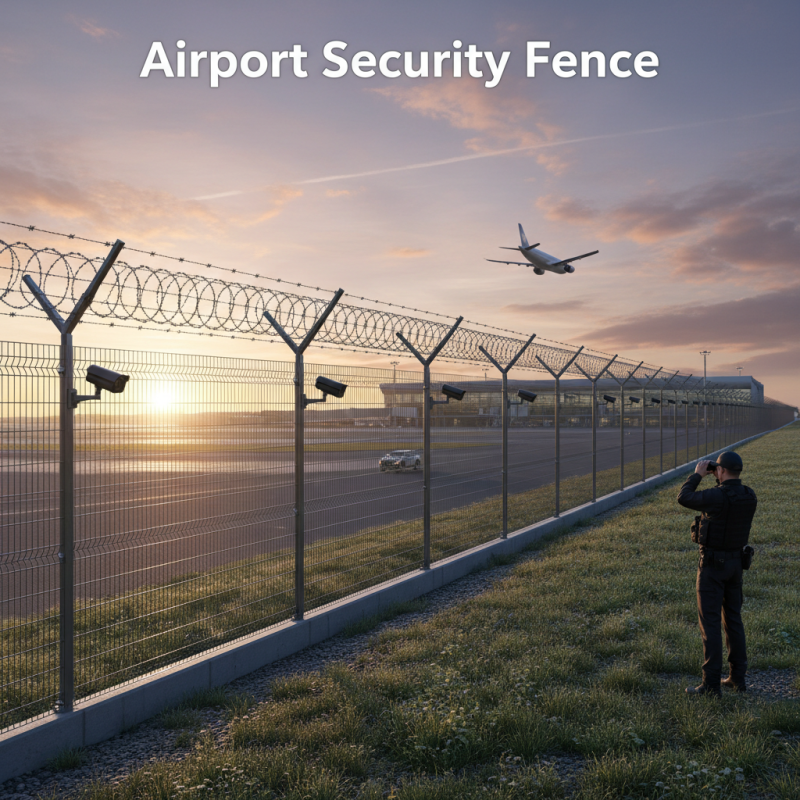
Types of Airport Fences: An Overview of Security Needs
Airport security is crucial for ensuring the safety of passengers and staff. Different types of fences serve various needs. A strong perimeter fence deters unauthorized access and protects against potential threats. Chain-link fences are common, but they may not offer complete protection.
Electric fences can enhance security significantly. They act as a psychological barrier, making trespassing less appealing. However, the implementation of electric fencing needs careful consideration. Misuse or accidents could create safety hazards. Barbed wire increases deterrence but can pose risks to wildlife and even airport operations.
There’s no one-size-fits-all solution. Each airport has unique security challenges. Environmental factors, like visibility and wildlife activity, must be considered. This reflects the ongoing need for adaptable security measures. Ultimately, it’s about finding a balance between deterrence and safety.
Key Features of Effective Airport Security Fencing
Effective airport security fencing is crucial in ensuring the safety of passengers and aircraft. Key features include height, material, and visibility. High fences discourage unauthorized access, making it hard for intruders to climb over. A height of at least 8 feet is often recommended. However, taller isn’t always better. Extreme heights may reduce visibility for security personnel.
Material choice plays a significant role, too. Chain-link fences are common due to their cost-effectiveness. However, solid barriers can provide additional security against intrusion. Visibility is key for monitoring. Fences should be designed to minimize blind spots, allowing for easy surveillance. Incorporating technology like motion sensors can add a layer of protection, yet technology is not foolproof.
While planning a fencing strategy, it’s important to consider maintenance. Corrosion and wear can compromise security. Regular inspections help identify weak spots. Training staff to respond quickly to breaches is essential. Remember, no system is perfect. Regular updates to security strategies can help address vulnerabilities over time.
Comparative Analysis of Different Fence Materials for Airports
Security is a top priority for airports. Different fence materials provide varying levels of security. Chain-link fences are common. They are cost-effective and easy to install. However, they may not provide enough deterrence against intruders. Studies show that nearly 30% of airport breaches occur through weak fences.
Concrete walls offer more security. Their solid structure makes climbing difficult. Yet, they can be expensive and less visually appealing. A report from the International Airport Association indicated that solid barriers can reduce unauthorized access by 75%. Still, the maintenance costs can be high, and repairs can be challenging.
Composite materials are emerging. These fences combine strength and aesthetics. They resist corrosion and harsh weather. However, they are still relatively new. Limited data on their long-term effectiveness exists. As airports evolve, they must consider the trade-offs. Balancing security with cost and appearance is crucial.
Technological Enhancements in Airport Fencing Systems
Airport security is a top priority. Modern fencing systems play a crucial role in maintaining that security. Technology has transformed airport fences from simple barriers into advanced security solutions. Sensors, cameras, and drones enhance perimeter security effectively.
Recent reports show that airports utilizing advanced fencing technology have reduced trespassing by over 30%. Smart fencing systems combine physical barriers with electronic surveillance. This integration allows for real-time monitoring. When an intrusion occurs, security teams receive immediate alerts. They can respond more swiftly and effectively.
**Tips**: Regular maintenance of fencing systems is vital. Inspect for any weaknesses or damage. Keep vegetation trimmed to maintain clear visibility. Consider adding motion sensors to complement physical barriers. They can cover areas where cameras may have blind spots. Improving security requires constant assessment and adaptation. Technology is evolving, and so should security measures. Airports must reflect on their current installations and upgrade as needed.
Regulatory Standards for Airport Perimeter Security Fences
Airport perimeter security is critical. Regulatory standards shape fence designs to ensure safety. The International Civil Aviation Organization (ICAO) emphasizes that fences must deter unauthorized access. A strong perimeter can mitigate risks effectively.
According to a 2021 report by the Transportation Security Administration (TSA), fencing must be at least 8 feet high. This height prevents most intrusions. Barbed wire or similar deterrents enhance protection. However, not all airports meet this standard. Some use shorter fences that may not deter determined trespassers. Compliance gaps exist in various regions.
Visibility is another crucial aspect. Transparent or low-profile fencing can provide better surveillance. A report by the Airports Council International (ACI) highlights that clear sightlines reduce blind spots. Even so, cost constraints often limit investments in advanced materials. This raises issues regarding overall security effectiveness. Addressing these regulatory challenges is essential for heightened airport safety.
What Are the Best Types of Airport Fences for Security?
| Fence Type | Material | Height | Security Rating | Common Use |
| Chain Link Fence | Galvanized Steel | 6 - 8 ft | Medium | General Perimeter |
| Welded Mesh Fence | Steel | 6 - 10 ft | High | High Security Areas |
| Electric Fence | Metal | 8 - 12 ft | Very High | Critical Infrastructure |
| Barbed Wire Fence | Steel | 6 - 10 ft | Medium | Perimeter Security |
| Concrete Barrier Fence | Reinforced Concrete | 3 - 8 ft | High | Vehicle Control |