Best Wifi Doorbell for Global Buyers in 2026?
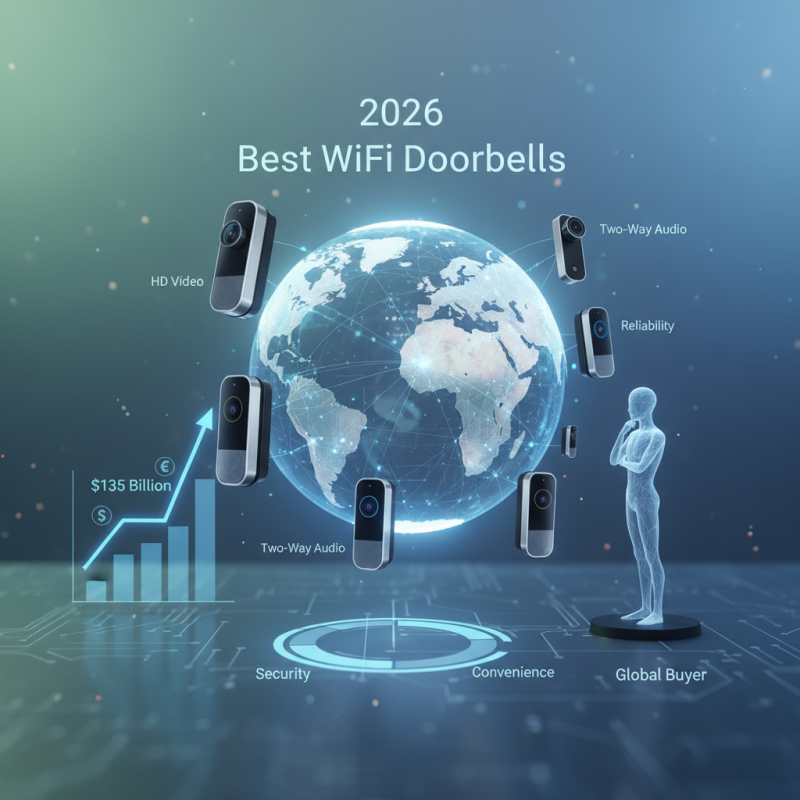
As the demand for Wifi Doorbells continues to rise, global buyers in 2026 face an abundance of choices. The market for smart home devices is projected to exceed $135 billion by 2026, according to a report by MarketsandMarkets. This surge signals that consumers are increasingly prioritizing home security and convenience. Renowned industry expert Dr. Amelia Carter states, "Wifi doorbells not only enhance security but also transform the way we interact with our homes."
With advancements in technology, buyers seek features such as HD video, two-way audio, and smart integration. Yet, not all products deliver on these promises. Some models may fall short in connectivity and user experience. Failure to address these issues can lead to consumer frustration. It's clear that while the options are plentiful, discerning quality from mediocrity is crucial.
The evolution of the Wifi doorbell is not just about innovation; it's about reliability. Consumers must evaluate brands and product reviews critically, ensuring that their choices reflect both their security needs and lifestyle. Caution is warranted as the market grows, emphasizing the need for informed decision-making.
Understanding the Features of WiFi Doorbells in 2026
As we move into 2026, the features of WiFi doorbells are evolving rapidly. Security is top of mind for homeowners. High-definition video capabilities are essential. Users need clear images, both day and night. Motion detection has improved, reducing false alarms. Real-time alerts help users respond quickly to visitors.
Integration with smart home devices is becoming standard. Voice interaction options allow seamless communication. Users appreciate two-way audio so they can talk without opening the door. Some doorbells offer cloud storage for video footage. This feature provides peace of mind, but users need to consider privacy concerns.
Battery life and design are also key aspects. A long-lasting battery is ideal for low-maintenance setups. Sleek designs that blend with home aesthetics are increasingly popular. However, installation can be tricky for some. Not all homes have the necessary wiring, which may limit options. Choosing the right WiFi doorbell requires careful thought and planning.
Top Brands to Consider for WiFi Doorbells Globally
When considering the best WiFi doorbells for global buyers in 2026, several brands stand out due to their innovative features and reliability. Look for models that include HD video quality, night vision, and strong motion detection. These features enhance security and ensure you never miss a visitor, even when you aren't home.
Tips: Check whether the doorbell has a user-friendly app. A good app makes it easy to monitor your doorbell from anywhere. Battery life is also vital; consider models that offer long-lasting performance.
Global buyers should prioritize security features. Strong encryption and two-factor authentication protect your data effectively. Some models offer cloud storage options, which can be very useful. Keep in mind that while advanced features are appealing, they may lead to complex setups. Simple solutions can often be overlooked, resulting in unnecessary frustration.
Ultimately, investing in a WiFi doorbell should reflect your needs and lifestyle. Assess how often you receive visitors and your security priorities. Technology is evolving, yet user experience remains vital. Carefully analyze your choices before purchasing.
Comparing Pricing and Value of WiFi Doorbells for Different Markets
The global market for WiFi doorbells is expanding rapidly. A recent industry report estimates the global market size was valued at over $3 billion in 2023 and is projected to reach $7 billion by 2026. Different regions exhibit varying price points and features. North America often sees higher pricing due to advanced technology and brand dominance. In contrast, markets in Asia offer competitive rates, focusing on essential features and affordability.
Consumer preferences also differ across regions. In Europe, for instance, buyers prioritize energy efficiency and sustainability. Meanwhile, Latin American customers focus on reliable connectivity and affordability. As a result, the value proposition varies, necessitating careful comparison based on local needs. Understanding these trends can guide you in selecting the right product.
Tip: When researching, explore local reviews and expert recommendations. Consider features like video quality and storage options. Remember, not all high-priced models guarantee better performance. Also, always check for compatibility with existing home systems. Shopping around can save money while ensuring you choose a product that truly meets your requirements.
Installation and Compatibility of WiFi Doorbells for Global Buyers
When selecting the best WiFi doorbell for global buyers in 2026, installation and compatibility remain crucial factors. Research from the Smart Home Market Report indicates a 25% increase in demand for smart doorbell systems over the past two years. This surge reflects heightened security concerns and a desire for enhanced home automation. However, not all WiFi doorbells offer seamless compatibility with existing home networks or smart devices.
Many WiFi doorbells require specific configurations to function optimally. They often depend on stable WiFi connectivity, which can vary significantly by region. A report by the Global Broadband Connectivity Survey revealed that around 28% of households in urban areas have underperforming Internet service. This inconsistency can lead to frustrating user experiences. Additionally, different regions utilize various wireless standards, such as Zigbee or Z-Wave, which may limit compatibility with some devices.
Installation processes can vary widely among models. While some doorbells offer straightforward setups, others may require professional assistance, impacting user satisfaction. For example, installation may involve replacing existing doorbell wiring, which not everyone is comfortable doing. The Global Home Security Report noted that 40% of users felt overwhelmed by their doorbell's installation complexity. Recognizing the diverse issues surrounding installation and compatibility is essential for making an informed purchase.
Future Trends in WiFi Doorbell Technology for 2026 and Beyond
As we look towards 2026, WiFi doorbell technology is on the brink of remarkable advancements. Reports show that the global smart doorbell market is expected to grow at a compound annual growth rate of over 25% from 2023 to 2028. This growth indicates increasing consumer interest in smart home security solutions. Enhanced video resolution, with many devices shifting towards 4K quality, will offer users crisper images for better identification.
Predictive AI integration is becoming more vital. It allows for features like facial recognition, learning user habits, and notifying users of patterns in visitor behavior. However, there are concerns about privacy and data security. A recent survey indicated that 43% of consumers worry about how their data is used. Even with encryption, potential vulnerabilities can deter some buyers.
Moreover, the demand for sustainability is evident in new designs. More manufacturers are opting for solar-powered options to reduce carbon footprints. Still, these models may need more frequent positioning and maintenance. Balancing innovation with practical use remains a challenge. Users may need to reconsider how these devices fit into their existing home ecosystems. As technology evolves, so do consumer expectations and needs.
Projected Benefits of WiFi Doorbells in 2026