China Best Concrete Batching Plant Wastewater Treatment Solutions?
In the realm of Concrete Batching Plant Wastewater Treatment, finding sustainable solutions is imperative. Dr. Emily Zhang, a well-respected expert in environmental engineering, emphasizes, “Effective wastewater treatment is crucial for our planet's future.” Her insights highlight the urgent need for innovation in this field.
Wastewater from concrete batching plants poses significant environmental issues. Many facilities struggle with compliance and sustainability. The right treatment systems can mitigate harmful impacts. Keeping pollutants out of local water sources is vital for ecological balance. Yet, many plants still use outdated methods.
The challenge lies in adopting modern technology. Some plants have embraced cutting-edge solutions, but others remain hesitant. This disparity calls for ongoing education and collaboration. We must strive for improvement, ensuring all facilities operate within eco-friendly parameters. Continuous advancement is essential in Concrete Batching Plant Wastewater Treatment for a cleaner, more sustainable future.
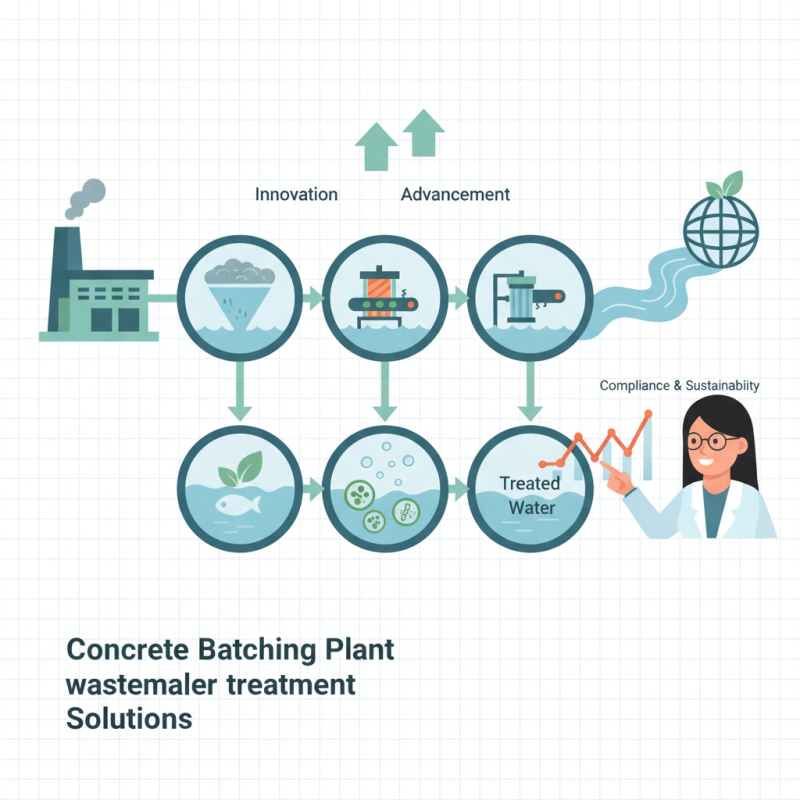
China's Concrete Batching Plant: Overview of Wastewater Challenges
Concrete batching plants in China face significant wastewater challenges. These facilities generate large volumes of wastewater during operation. Poorly managed wastewater can lead to environmental pollution. This pollution affects local water bodies and can harm aquatic life. Effective treatment solutions are necessary to minimize this impact.
One common issue is the high level of suspended solids in the wastewater. Slurry from mixing can clog treatment systems. Additionally, the presence of chemicals complicates the treatment process. Many plants struggle to meet local regulatory standards. Finding reliable and effective treatment methods is crucial for compliance and sustainability.
Emerging technologies show promise in addressing these challenges. For instance, advanced filtration systems can reduce suspended solids effectively. However, these systems often require significant investment and maintenance. Operators must consider the long-term benefits against upfront costs. It’s a challenging balance, and many are still searching for the best solution. As regulations tighten, the pressure to innovate grows stronger.
China Best Concrete Batching Plant Wastewater Treatment Solutions
| Dimension | Value |
| Daily Wastewater Generation (m³) | 500 |
| Treatment Method | Biological Treatment |
| Treatment Efficiency (%) | 95 |
| Chemical Oxygen Demand (COD) before Treatment (mg/L) | 800 |
| Chemical Oxygen Demand (COD) after Treatment (mg/L) | 40 |
| Sludge Production (kg/day) | 60 |
| Recycling Rate (%) | 80 |
Key Regulations Governing Wastewater Discharge in China’s Concrete Industry
In China's concrete industry, wastewater discharge regulations are strict yet essential. The government has implemented various standards to minimize environmental damage. Facilities must monitor their effluent quality consistently. Discharge limits include parameters like pH, suspended solids, and biochemical oxygen demand. Failing to comply can result in heavy fines and penalties.
Many concrete plants struggle to meet these regulations due to outdated equipment. Some even use inadequate treatment processes that cannot handle their specific wastewater profiles. There is also confusion around the proper methods for testing and reporting. Consequently, plant managers face challenges in staying compliant while managing operational costs. Continuous education on evolving regulations is crucial for the industry.
Developing a robust wastewater treatment strategy can be daunting. Yet, it is a necessity for sustainability. Establishing partnerships with environmental experts may help plants optimize their wastewater management. Investing in innovative technologies could offer long-term solutions. The path is filled with obstacles, but it is essential for the industry's advancement.
Technologies for Wastewater Treatment in Concrete Batching: A Comparative Analysis
Concrete batching plants generate significant amounts of wastewater. Efficient treatment of this wastewater is crucial to ensure environmental compliance. Various technologies exist for this purpose, each with its unique benefits and drawbacks.
One common method is physical separation. This technology allows solids to settle out of the water. It’s cost-effective but may require additional processes for complete purification.
Chemical treatment, on the other hand, uses reagents to neutralize harmful substances. While effective, it can introduce new chemicals, raising safety concerns.
Biological treatment involves using microorganisms to break down pollutants. This method can be highly effective but requires careful monitoring and maintenance. Many plants struggle to maintain optimal conditions for microbial growth.
Understanding these technologies helps facility managers choose solutions that fit their needs, and explore innovative approaches to tackle common challenges.
Case Studies: Effective Wastewater Treatment Implementations in China
Concrete batching plants in China face significant challenges regarding wastewater treatment. Various case studies highlight different approaches that have been implemented across the country. For instance, one successful approach involved the installation of advanced filtration systems. These systems effectively reduce contaminants in wastewater before it is discharged. However, not all plants achieve optimal results. Some still struggle to meet pollution standards.
In another case, a facility integrated bio-remediation techniques. This method utilizes microorganisms to break down harmful substances in wastewater. The results were promising, but the process required constant monitoring and adjustments. Many plants reported that initial costs and technical expertise posed hurdles during implementation.
Several operators have learned valuable lessons from their experiences. Regular maintenance and employee training are crucial for effective systems. Yet, many plants overlook these aspects. This neglect compromises the whole treatment process. Case studies emphasize that reliable wastewater treatment can enhance environmental performance. But, ongoing challenges highlight the need for continuous improvement and adaptation in these systems.
Future Trends in Wastewater Management for Concrete Batching Plants in China
As China advances its concrete batching industry, the management of wastewater is becoming critical. Improved filtration techniques are being developed to treat effluents efficiently. Current systems face challenges, such as high operational costs and energy demands. There is a growing need for sustainable solutions that not only meet regulations but also minimize environmental impact.
Emerging technologies like biofiltration and membrane systems show potential. These methods can reduce pollutants more effectively. However, their implementation requires substantial investment. Smaller batching plants may struggle with the costs. Community engagement is essential for finding localized solutions that suit different plant sizes.
The trend towards circular economy practices is also gaining momentum. Using treated wastewater for plant operations is one approach. It conserves water and reduces waste. Yet, many plants still lack infrastructure for such systems. Education and awareness are vital for fostering innovation in wastewater management. Investing in research and collaboration can help overcome existing hurdles.