How to Choose the Best LED Poster Display for Your Needs?
In today's digital age, the demand for LED Poster Displays is skyrocketing. According to a recent market report by Grand View Research, the global LED display market is projected to reach $93.33 billion by 2028, growing at a CAGR of 13.9%. This growth highlights the increasing importance of effective visual communication in various sectors.
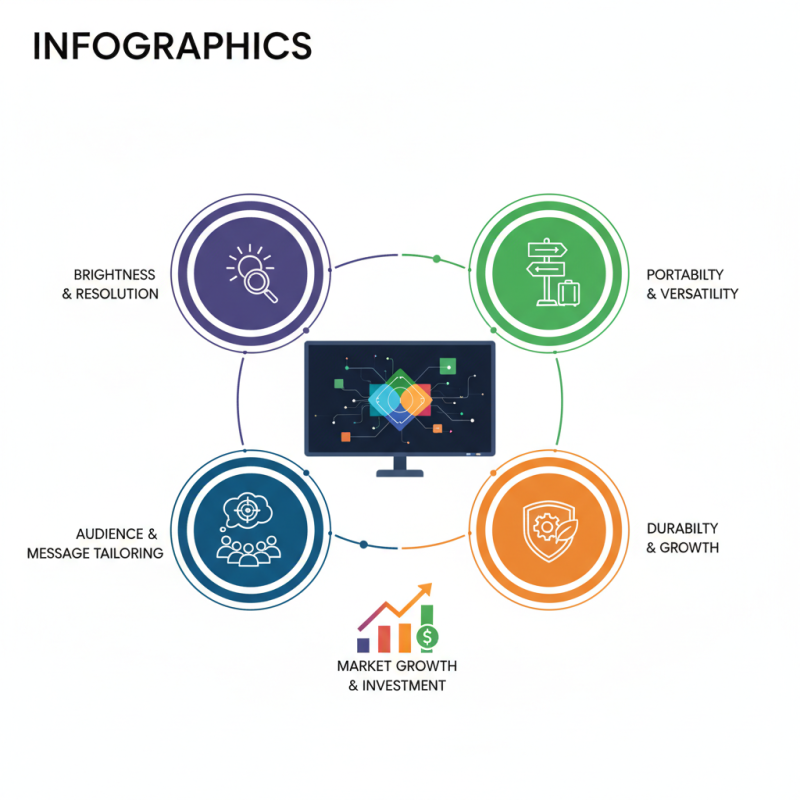
James Anderson, an industry expert at LED Solutions, states, "Choosing the right LED Poster Display is crucial for any business to stand out." With numerous options, making the right choice can be overwhelming. An effective display should not only be eye-catching but also versatile and durable. Consideration of factors like brightness, resolution, and portability is essential.
However, many businesses overlook the specific needs of their audience. It's not just about having an impressive screen. It’s vital to refine your message and tailor the content to engage viewers effectively. Reflecting on these aspects can lead to more successful deployments of LED Poster Displays.
Understanding LED Poster Display Technologies and Types
LED poster displays have revolutionized visual communication across various industries. Understanding the technologies behind them can guide better choices. Among the leading types are direct view LED (DVLED) and organic light-emitting diode (OLED) displays. According to recent market analysis, DVLED technology accounts for over 60% of the market share. It’s favored for brightness and durability. However, these displays can be costly.
On the other hand, OLED displays are known for their vibrant colors and high contrast ratios. They offer better viewing angles, making them ideal for environments with varying light conditions. Yet, it's essential to consider longevity, as OLEDs may suffer from burn-in effects. Reports suggest that the lifespan of these displays is generally shorter than DVLEDs, prompting users to weigh the pros and cons.
When selecting an LED poster display, brightness is critical. A minimum of 1,000 nits is often recommended for outdoor use. Meanwhile, resolution matters significantly. Higher resolutions, like 4K, provide sharper images but come at a premium price. The decision process can be overwhelming, and potential buyers should reflect on their specific needs and environments before making a final choice.
LED Poster Display Technologies Comparison
Key Factors to Consider When Choosing LED Poster Displays
When selecting an LED poster display, size matters. A larger screen can capture attention, but it must fit your space. Consider the viewing distance. If people will be far away, a bigger display is essential. For close viewing, a smaller size can suffice. The height and width ratios also play a vital role. The right proportions make the display easy to read and visually appealing.
Next, evaluate brightness levels. Displays with higher brightness are better for well-lit environments. LED screens with adjustable brightness settings are useful for different lighting conditions. Check the resolution too. Higher resolution means clearer images and text. Aim for a display with at least Full HD quality, especially for detailed graphics.
Think about connectivity options. Look for displays that support multiple formats. HDMI, USB, and wireless connections are critical. This versatility can make it easier to update content. Don’t forget about ease of use. A complicated interface can hinder effective communication. It may seem trivial, yet user-friendly features can save time and frustration.
Evaluating Brightness and Resolution: Industry Standards and Metrics
When choosing an LED poster display, brightness and resolution are key factors. Brightness is measured in nits. Higher brightness levels allow displays to be viewed in daylight. For outdoor environments, 5,000 nits or more is often recommended. Indoor settings typically need at least 1,000 nits. However, overly bright screens can cause glare. Finding the right balance is crucial.
Resolution plays a significant role in image clarity. It is determined by pixel pitch. Smaller pixel pitches mean higher resolution and sharper images. Common choices range from 2mm to 10mm, depending on viewing distance. An event held at a distance may not require extremely high resolution. Yet, a close-up display can look pixelated if not chosen wisely. Testing the display before a purchase can reveal these nuances.
Evaluating industry standards is vital. Keep in mind the typical usage environment. Will it be for trade shows? Or for retail? Adaptability is also worth considering. If your needs change, can the display still meet those? Reflecting on these aspects will help in selecting the best option.
Assessing Durability and Weather Resistance for Outdoor Displays
When selecting an LED poster display, assessing durability and weather resistance is crucial, especially for outdoor environments. Industry reports suggest that nearly 30% of outdoor digital signage failures are due to inadequate weatherproofing. It's essential to look for displays with IP ratings. An IP65 rating or higher indicates strong resistance to dust and water. Many manufacturers offer models that withstand heavy rain and high humidity.
Moreover, the materials used in constructing the display matter significantly. LED panels should have robust housing that can endure extreme temperatures and harsh sunlight. Research indicates that displays with aluminum frames are often more durable than those made of cheaper materials. However, not all aluminum housings are created equal. Some are prone to corrosion, especially in coastal areas. It's vital to inquire about the coating used.
Investing in a good quality display can lead to longer life and reduced maintenance costs. A study found that businesses saving on cheaper models faced up to 60% higher repair costs. That’s an essential consideration. You don’t want a display failing during critical advertising times. Make sure to weigh the upfront cost against potential long-term expenses. Durability matters.
Cost Analysis: Budgeting for Purchase and Maintenance of LED Displays
When budgeting for an LED poster display, initial costs are only one factor. According to industry reports, high-quality LED displays can range from $2,000 to $10,000, depending on size and features. This is a significant upfront investment. However, many buyers overlook long-term maintenance costs. Regular maintenance and potential repairs can add between 10% to 20% to the annual budget.
Power consumption is another critical aspect. A report shows that LED displays are energy-efficient. Still, they can consume around 200-300 watts per unit depending on brightness settings. Over time, this can accumulate. You may face unexpected costs if the performance degrades and requires parts replacement or reprogramming.
Additionally, consider the environmental impact. LED displays have a lifespan of about 50,000 hours. Yet improper disposal can lead to waste. Many companies do not plan for end-of-life recycling. This reflects a gap in awareness. Conscious planning is essential not just for the initial purchase but also for sustainable use.
How to Choose the Best LED Poster Display for Your Needs? - Cost Analysis: Budgeting for Purchase and Maintenance of LED Displays
| Display Size (Inches) | Pixel Pitch (mm) | Resolution (Pixels) | Initial Purchase Cost ($) | Annual Maintenance Cost ($) | Average Lifespan (Years) |
| 55 | 3.1 | 1920 x 1080 | 1200 | 200 | 5 |
| 75 | 2.5 | 3840 x 2160 | 2500 | 350 | 7 |
| 100 | 4.0 | 2560 x 1440 | 3000 | 500 | 8 |
| 120 | 3.5 | 3840 x 2160 | 4000 | 600 | 10 |