Why Choose Digital Signage LED Wall for Your Business Needs?
In today's fast-paced business environment, effective communication is essential. Digital signage LED wall technology has emerged as a powerful tool for businesses looking to enhance visibility and engagement. According to a recent report by Futuresource Consulting, 70% of consumers recall seeing digital signage at their last shopping visit. This striking statistic highlights the significant impact that visual technology has on customer decision-making.
Moreover, the digital signage market is expected to grow at a compound annual growth rate (CAGR) of 8.2% from 2020 to 2026, as noted in a report by MarketsandMarkets. This growth signals a shift in how businesses prioritize customer interactions. Digital signage LED walls can deliver eye-catching content and boost foot traffic significantly. However, investing in such technology raises questions about cost and implementation.
Many businesses struggle with the transition from traditional advertising to digital solutions. They may face challenges in finding the right content or ensuring consistent updates. Nevertheless, a well-executed digital signage strategy can lead to increased sales and stronger brand loyalty. As the market evolves, understanding the nuances of digital signage LED walls will be crucial for businesses aiming to stay ahead.
Benefits of Digital Signage LED Walls for Business Visibility
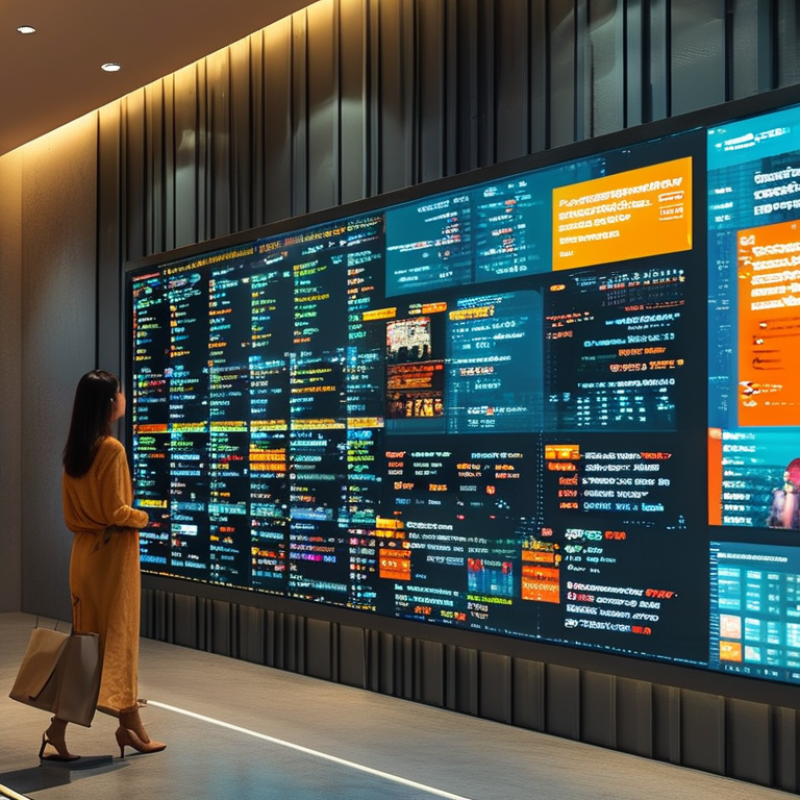
Digital signage LED walls enhance business visibility like never before. They capture attention, draw in customers, and communicate messages effectively. These large displays can showcase promotions, events, and brand stories in vibrant colors. Businesses using LED walls often report higher engagement rates from passersby.
**Tips:** Ensure your content rotates regularly. Stale messages can lead to disengagement. Use eye-catching visuals to keep customers interested.
Moreover, LED walls are versatile. They can be used indoors or outdoors. Their brightness adjusts to the surrounding light, ensuring your message shines through in daylight or dim conditions. This flexibility is invaluable for businesses in various sectors.
**Tips:** Analyze viewer behavior. Track customer foot traffic to determine the most effective placement for your LED wall.
Investing in digital signage LED walls can elevate your brand. They offer real-time updates, ensuring you remain relevant. However, consider potential over-saturation. Too many messages can confuse your audience. Focus on clarity and simplicity to achieve the best results.
Cost-Effectiveness of Implementing LED Wall Solutions
Digital signage LED walls are becoming popular for businesses. They offer cost-effective solutions for displaying advertisements and information. According to a recent study by MarketsandMarkets, the digital signage market is expected to reach $31.71 billion by 2026. This growth is driven largely by cost savings and the dynamic nature of digital displays.
Implementing an LED wall often reduces printing and maintenance costs. Companies save money on traditional materials, which can be expensive and wasteful. A report from Statista highlights that businesses can save up to 40% in costs by switching to digital signage. Moreover, LED walls have a long lifespan, with many lasting over 100,000 hours. This durability minimizes replacement expenses, showcasing an appealing return on investment.
However, there are challenges to consider. Initial installation costs can be high. Businesses must assess their unique needs and budget before making a decision. Some may find that traditional methods suit their situation better. Nevertheless, the effectiveness of LED walls can outweigh these concerns. Regularly updating content is easy and engaging for customers, creating an interactive environment that boosts sales strategies.
Versatility and Customization of Digital Signage Displays
Digital signage LED walls have gained popularity in various industries due to their versatility and customization. A recent industry report indicates that 62% of businesses notice an increase in engagement when they use digital signage. This is largely because these displays can be tailored to meet specific marketing needs. Businesses can easily change content based on target audiences, seasons, or events.
Customization is key. Businesses can choose different sizes, resolutions, and shapes for their LED walls. A study from the Digital Signage Federation suggests that customized displays lead to a 30% increase in message retention. This means customers are more likely to remember promotions and branding. The option to integrate real-time data is also notable. Organizations can showcase live social media feeds or news, making their messages timely and relevant.
However, implementing digital signage may require careful planning. Not all locations are suitable, and investing in high-quality displays can be costly. Regular maintenance is critical, as poor-quality visuals can harm your message. Skepticism remains among some businesses regarding ROI. Balancing initial costs with long-term benefits can be a challenge. Therefore, understanding your unique business needs is essential before deciding on digital signage solutions.
Advantages of Digital Signage LED Wall for Businesses
Enhanced Engagement Through Interactive Content on LED Walls
Interactive content on LED walls can significantly enhance customer engagement. These dynamic displays capture attention effectively. People are naturally drawn to bright visuals and stimulating graphics. The ability to interact with the content makes the experience memorable.
Businesses can use LED walls to showcase products. A well-designed interactive display can lead to higher sales. Customers can browse through catalogs or customize products right on the wall. This interactivity encourages them to spend more time in the store. However, some businesses struggle with creating engaging content. A poorly executed design can overwhelm rather than attract.
Investing in LED wall technology also presents challenges. Regular updates are necessary to keep content fresh. It requires a commitment to creativity and strategy. Businesses may find it difficult to maintain the technological aspect. Interactivity should not come at the cost of ease of use. A delicate balance is essential for maximizing impact.
Environmental Impact and Energy Efficiency of LED Technology
LED technology has transformed how businesses communicate visually. Digital signage LED walls not only deliver vibrant content but also lead the way in energy efficiency. According to a report from the U.S. Department of Energy, LED displays use up to 75% less energy than traditional fluorescent screens. This significant reduction saves businesses money and contributes to lower carbon footprints.
Furthermore, LED technology offers long life spans, which means less frequent replacements. The same report highlights that LED lights can last up to 50,000 hours. This longevity further decreases the environmental impact associated with manufacturing and disposing of signage materials. Investing in digital signage can cut down on waste and energy consumption, improving a company's overall sustainability efforts. This aspect is worth pondering for businesses looking to enhance their image while also being eco-conscious.
However, there are challenges. Initial installation costs can be higher than traditional methods. Depending on the context, businesses might struggle with maintenance or have to update software regularly, which brings additional costs. It's crucial for companies to weigh these factors carefully and plan accordingly. Balancing these benefits and challenges is key to maximizing the advantages of LED digital signage.
Why Choose Digital Signage LED Wall for Your Business Needs? - Environmental Impact and Energy Efficiency of LED Technology
| Dimension | LED Technology | Traditional Signage |
| Energy Efficiency (Watts per sq. ft.) | 12 W | 25 W |
| Lifespan (Hours) | 100,000 hours | 20,000 hours |
| Recyclability | Up to 90% | Limited |
| Carbon Footprint (kg CO2 per year) | 40 kg | 100 kg |
| Brightness (Nits) | 5000 nits | 200 nits |