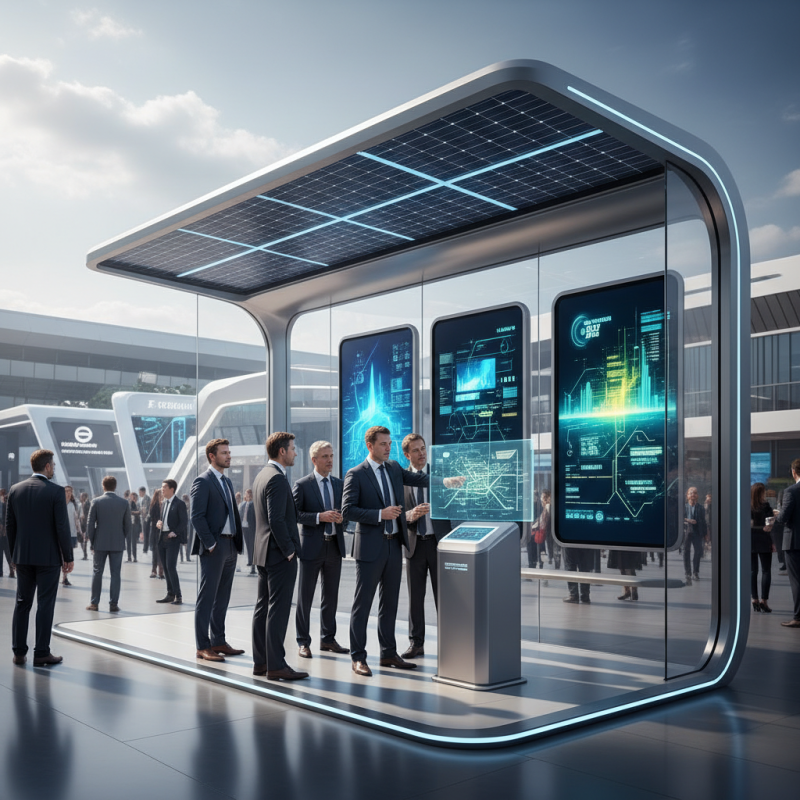
How to Choose Digital Solar Bus Stops at the 139th Canton Fair?
As the 139th Canton Fair approaches, buyers are increasingly interested in innovative solutions like Digital solar bus stops. These modern bus stops can revolutionize urban transport by offering real-time information and eco-friendly energy sources. Attendees will find a diverse range of suppliers showcasing advanced technology.
Choosing the right Digital solar bus stops requires understanding various features and certifications. As solar energy gains popularity, ensuring that suppliers meet standards like ISO or CE is crucial. Effective evaluation of suppliers can be made easier with AI-powered tools introduced at the fair.
However, the challenge lies in filtering through numerous options. Not all vendors may have the capabilities they claim. Buyers should remain vigilant and approach choices thoughtfully. It is essential to research and compare different products to make informed decisions for urban development.
Understanding the Importance of Digital Solar Bus Stops
Digital solar bus stops represent a significant step towards sustainable urban infrastructure. These stops utilize solar energy, reducing reliance on conventional power sources. They can operate independently, which is crucial for areas with unstable electricity supply. By using solar panels, these stops contribute to environmental conservation. They minimize carbon footprints as they harness natural energy.
Moreover, the importance of digital displays in these bus stops cannot be overstated. Real-time updates on bus schedules and routes enhance commuter experience. Passengers appreciate timely information, which can reduce wait times. However, some users may find these systems confusing at first. A clear design with easy-to-read fonts can help bridge this gap.
On the flip side, implementing digital solar bus stops presents challenges. The initial costs can be high, and maintenance must be considered. Some local governments may struggle with funding these projects. It’s essential to weigh the long-term benefits against upfront expenses. Continuous feedback from users is vital for improvements. Addressing these imperfections leads to better designs in the future.
Key Features to Consider When Choosing Digital Solar Bus Stops
When selecting digital solar bus stops at the 139th Canton Fair, key features should not be overlooked. These stops should provide real-time information to passengers. According to a recent industry report, 70% of riders prefer digital displays for updated schedules. This preference enhances user experience. Furthermore, solar power makes these bus stops eco-friendly and energy-efficient.
Another important consideration is durability. The bus stops must withstand harsh weather conditions. Data shows that 40% of digital signs fail within the first year due to exposure. To address this, manufacturers should use high-quality materials and protective coatings. Some designs may not have optimal resistance, leading to maintenance issues.
Smart technology in digital solar bus stops is also essential. Features like Wi-Fi hotspots can improve user engagement. Yet, many stops lack sufficient connectivity options. This oversight can result in wasted potential. Additionally, integrated payment systems can enhance convenience. However, ensuring security in digital transactions remains a challenge. Investing in these qualities will help create lasting infrastructure that benefits commuters and the environment alike.
Evaluating the Environmental Impact of Solar Bus Stops
Solar bus stops are gaining attention for their potential environmental benefits. These innovative structures utilize solar energy, promoting sustainability. They reduce reliance on non-renewable energy sources. By harnessing the sun, they lessen the carbon footprint of public transportation. However, it's important to evaluate their overall impact.
While solar bus stops can decrease energy costs, not all designs are environmentally friendly. Some models may use materials that are not recyclable. Others might require additional resources for maintenance. Choosing the right construction materials is crucial. Locally sourced, sustainable options can enhance their eco-friendliness.
Moreover, the locations of these stops play a significant role. Well-placed solar bus stops can maximize energy collection. However, poorly chosen sites may lead to inefficiencies. Urban settings with shaded areas could limit their solar potential. Evaluating these aspects ensures that solar bus stops are truly beneficial in an environmental context. Ultimately, careful decision-making is key to achieving green goals.
Comparative Analysis of Different Manufacturers at the Canton Fair
When attending the 139th Canton Fair, choosing the right digital solar bus stops requires careful consideration. With numerous manufacturers showcasing their products, it’s essential to analyze their offerings effectively. Look for features like energy efficiency and durability. These elements can greatly impact the long-term benefits of your investment. Each manufacturer may present different solar panel technologies, so understanding these technologies is crucial.
Evaluating the design and functionality of various models is necessary. Some stops may have integrated digital displays that enhance user experience. However, not all displays are equally clear or responsive. Take time to compare their brightness and visibility under different lighting conditions. Pay attention to materials used in construction as well. Some bus stops may look appealing but fail in harsh weather.
It's vital to engage with manufacturers and ask questions. This interaction can reveal their production standards and after-sales service. It’s easy to get caught up in flashy showcases. Yet, practicality should be a priority. Test some models if possible. Remember, some features may sound excellent in presentations but perform poorly in real scenarios. Ensuring you make informed decisions can lead to better solutions.
Comparison of Digital Solar Bus Stops - Data from the 139th Canton Fair
Tips for Negotiating and Finalizing Your Purchase at the Fair
Navigating the Canton Fair requires more than just enthusiasm. When it comes to digital solar bus stops, being prepared is key. In 2023, the market for digital signage was projected to grow by 10% annually, highlighting the importance of smart purchasing.
Before negotiations begin, research is essential. Understand common pricing ranges for digital solar bus stops. Engage with at least three suppliers to gain a clear view of market standards. Ask about warranties and service agreements. Confirm the specifications match your project needs. This will help avoid costly mistakes later.
When negotiating, be firm yet flexible. Present your budget and express your interest in multiple suppliers. This can create a sense of competition. Don't rush the process; take time to evaluate the offerings. Pay attention to hidden costs, such as installation fees. Remember, a seemingly low price may not include everything.
Understanding local regulations is crucial. Some suppliers may overlook the need for compliance certifications. Ensure all paperwork aligns with local laws. This oversight can lead to serious complications post-purchase. By being vigilant and informed, you can finalize a deal that fits your needs.