2026 How to Choose the Right Valve DC Gear Motor?
Choosing the right Valve DC Gear Motor is essential for many applications. It influences performance, efficiency, and longevity. Many factors should be considered during the selection process.
Firstly, you must determine your project's torque requirements. This helps avoid underperformance. For example, a motor with insufficient torque may fail to operate a valve correctly. Size and weight matter too. They impact installation and maintenance. An oversized motor could complicate the system.
Understanding the power ratings is crucial. The right Voltage and current ratings ensure reliable operation. Ignoring these could lead to malfunctions. Assessing the operating environment is also vital. Factors like temperature and humidity can affect motor life. Selecting a Valve DC Gear Motor involves many choices. Each has its implications. A well-informed decision can prevent future issues. Reflect carefully on your needs before making a choice.
Understanding the Basics of DC Gear Motors and Valves
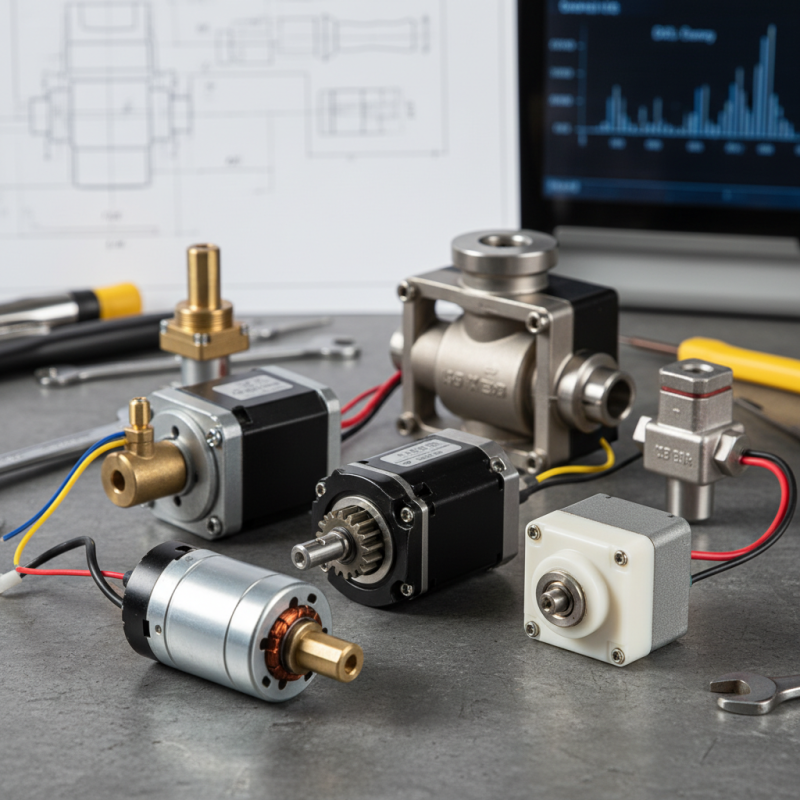
When selecting a DC gear motor for valve applications, it’s crucial to understand the core components. DC gear motors consist of a motor and a gearbox. The motor provides rotational motion, while the gearbox reduces the speed and increases torque. This combination makes them ideal for controlling valves in various industries. According to a recent market report, the demand for DC gear motors in automation systems has grown by over 15% annually, highlighting their importance.
Selecting the right motor must consider torque requirements and speed. For instance, if a valve requires precise control, a motor with excellent torque at low speeds is essential. Industry standards suggest that gear motors should provide at least 20% more torque than the maximum requirement to ensure reliable operation. Data indicates that over 30% of valve failures stem from inadequate motor specifications. These failures can lead to costly downtimes and maintenance issues.
Many engineers overlook gear ratios. A high gear ratio can significantly impact response time and efficiency. If a gear motor is overly geared, it may respond slowly to control signals. In practice, achieving balance is critical. Some applications may benefit from over-torqued motors, while others might need just enough torque for effective operation. This nuance requires reflection and careful consideration in the selection process, as it can directly affect performance and longevity.
Key Factors to Consider When Choosing a DC Gear Motor
Choosing the right DC gear motor requires careful consideration of several key factors. Motor efficiency is critical. A report from the International Electrotechnical Commission indicates that efficiency varies widely among gear motors. Selecting an efficient model can save significant energy over time.
Another factor to weigh is torque requirements. Different applications demand different torque levels. For instance, robotics may require high torque in small sizes. According to the American Society of Mechanical Engineers, a mismatch in these specifications leads to performance issues. Evaluating the specific demands of your project is crucial to avoid unnecessary setbacks.
Size and weight also play vital roles. In tight spaces, a compact motor is essential. Reports show that improperly sized motors can lead to equipment failure. Moreover, the cost is an ever-present concern. While cheaper options may seem appealing, they often come with hidden costs, such as higher energy consumption and maintenance. Balancing initial costs with long-term value is here a challenge for many engineers.
2026 How to Choose the Right Valve DC Gear Motor? - Key Factors to Consider When Choosing a DC Gear Motor
| Factor | Description | Importance Level | Recommended Value/Range |
| Torque | The rotational force needed to operate the valve effectively. | High | 5 - 200 Nm |
| Voltage | Operating voltage for consistent performance. | High | 12V - 48V |
| Speed | The speed of rotation suitable for valve operation. | Medium | 15 - 60 RPM |
| Gear Ratio | Determines the output speed and torque of the motor. | Medium | 5:1 to 100:1 |
| Efficiency | The ratio of useful output power to input power. | High | >75% |
| Size/Weight | Physical dimensions and weight for compatibility. | Medium | Depends on application |
| Operating Temperature | Temperature range for reliable operation. | High | -20°C to 60°C |
Types of DC Gear Motors and Their Applications in Valve Systems
When selecting a DC gear motor for valve systems, understanding the types and their applications is crucial. There are several types of DC gear motors. Each one caters to different needs. For instance, high-torque motors work well in larger valves. These motors can move heavy loads efficiently. This is important in industrial applications.
On the other hand, small DC gear motors are suitable for lighter valves. They operate at high speeds. This makes them a good choice for quick-response systems. Additionally, planetary gear motors offer a compact design while delivering substantial torque. However, they can be more complex to maintain. One might find that a specific motor doesn't fit perfectly with their system. It's essential to consider the gear ratio, voltage, and size when making a decision.
Yet, choosing the right motor isn't always straightforward. One may overlook power requirements or speed controls. The best fit should balance efficiency and performance. It's worth noting that trial and error often guides the decision-making process. Gathering feedback from actual performance can lead to better choices in the long run.
Types of DC Gear Motors in Valve Systems and Their Applications
Evaluating Performance Metrics for Valve DC Gear Motors
When selecting a valve DC gear motor, you need to evaluate crucial performance metrics. One significant metric is torque. Torque determines how much rotational power the motor provides. A higher torque rating allows the motor to operate larger valves effectively. Consider the application requirements for your specific use case. If the torque is inadequate, the motor may fail to actuate the valve properly.
Another important aspect is speed. The speed rating of a motor indicates how quickly it can operate. Depending on the application, you might require slow, controlled movement or fast actuation. An imbalance in speed could lead to premature wear on the valve components. It’s vital to match the motor's speed with the valve's optimal operational parameters.
Efficiency is also a key metric. An efficient motor consumes less energy, reducing operational costs over time. However, it's essential to balance efficiency with other performance aspects like torque and speed. An efficient motor might not always provide the required torque. Therefore, evaluating performance metrics often requires trade-offs. Each application may present unique challenges that necessitate careful consideration before making a final decision.
Installation and Maintenance Tips for Optimal Operation
Proper installation of your valve DC gear motor is crucial for performance. Ensure all components align correctly. Misalignment can lead to excessive wear and reduced efficiency. Take time to check the mounting brackets and motor position. Tighten all screws properly, but avoid over-tightening, which can damage the motor casing.
Regular maintenance is essential for optimal operation. Dust and debris can accumulate, affecting performance. Clean the motor and surrounding areas frequently. Monitor the wiring for any signs of wear. Look for frayed lines that can cause short circuits. Lubrication is important too, but be careful not to over-lubricate. Excess lubricant can attract dust, creating more issues.
It's easy to overlook the importance of documentation. Keep records of installations and maintenance activities. This helps in identifying recurring issues. Sometimes, the best practices boil down to experience. Reflect on what has worked and what hasn’t in the past. Regularly revisiting your procedures can lead to continuous improvement.