2026 How to Choose the Best Galvanized Coil for Your Project?
Selecting the right Galvanized Coil for your project isn't always straightforward. A galvanized coil is essential for many construction and manufacturing applications. It offers corrosion resistance and durability, making it a popular choice. However, not all galvanized coils are created equal.
When considering galvanized coil, think about the thickness, width, and coating weight. These factors will affect its performance in different environments. A thicker coil may provide better durability, but it can also be heavier and more challenging to work with. Pay attention to your project's specific needs and constraints.
It's also important to validate your supplier's quality. Not all products meet the highest standards. Some galvanized coils may have uneven coatings or surface imperfections. Such issues can lead to disappointments later. Investing time in research can save you from costly mistakes. Reflect on your choices to ensure a successful outcome.
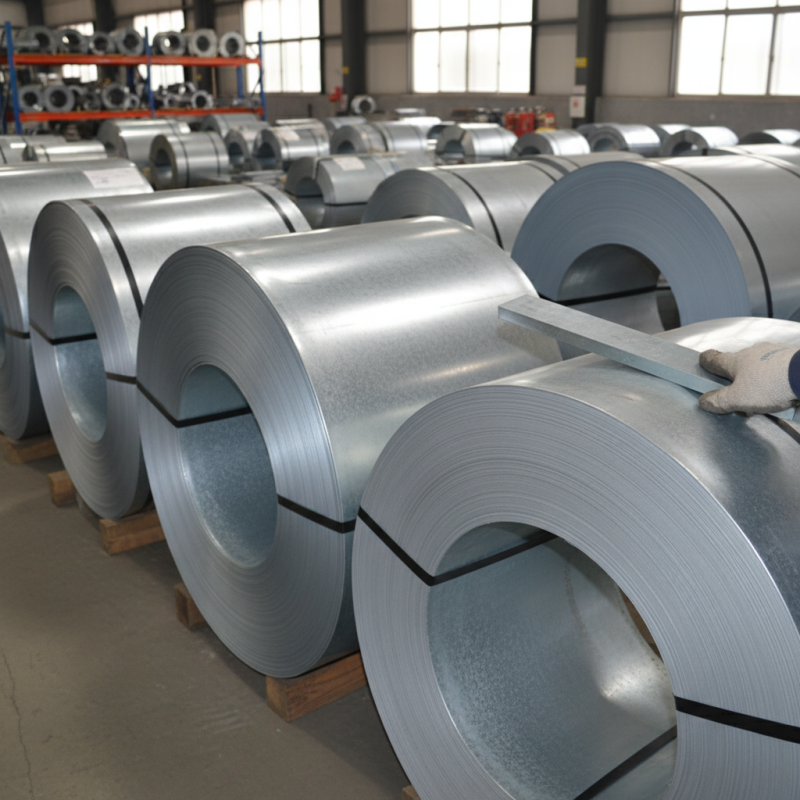
Understanding Galvanized Coil: Key Features and Benefits
When choosing galvanized coils, several key features should be considered. Galvanized coils are steel sheets coated with zinc. This coating provides a protective barrier against rust and corrosion. The thickness of the zinc layer can vary, affecting durability and longevity. A thicker layer generally offers better protection in harsh environments.
Another important aspect is the coil's surface finish. Some options include smooth, spangled, or matte finishes. Each type speaks to specific aesthetic or application needs. For example, a smooth finish is often preferred in construction applications. However, a spangled finish might appeal to those looking for a decorative touch.
You might encounter different steel grades within galvanized coils. Understanding the grade helps ensure the selected coil meets structural requirements. Additionally, the ease of fabrication is a factor. Some coils are easier to cut and shape than others. Compatibility with your tools is essential to avoid challenges during your project. Reflect on these elements carefully, as overlooking them may impact your project's success.
Types of Galvanized Coils and Their Applications
When selecting galvanized coils, understanding their types is crucial. Galvanized coils come in various grades. Each type serves specific applications. Hot-dipped galvanized coils are often used in outdoor structures. They offer superior corrosion resistance. This makes them ideal for roofing and fencing.
Electro-galvanized coils are thinner. They provide a smooth surface finish. This type works well for appliances and automotive parts. However, they may not be as durable in harsh conditions. Don't overlook the importance of choosing the right thickness. Thinner coils can save costs but may lack strength.
Consider the environment where your project will be placed. Some coils may rust faster than others. Mind the balance between cost and quality. It’s easy to get caught up in numbers and forget the application. Rethink your choices carefully, as the wrong type can lead to unnecessary repairs. Ensure you’re well-informed about the specifications and limitations of each type to make the right decision.
Factors to Consider When Choosing a Galvanized Coil
When selecting a galvanized coil for your project, several key factors come into play. First, consider the thickness of the coil. Thicker coils offer more durability and are better for heavy-duty applications. On the other hand, thinner coils may be adequate for lighter projects. It's essential to assess the strength and weight requirements of your specific application.
Next, look into the coating weight. A higher coating weight can improve corrosion resistance. However, ensure it aligns with your project's needs. If you need better aesthetics, a smoother finish might be a priority. The finish can impact both appearance and functionality. Sometimes, striking the right balance takes time and careful thought.
Don't forget to evaluate the coil's dimensions. Length and width play significant roles in usability. Oversized coils can lead to waste, while undersized ones might not meet project needs. It’s wise to measure carefully to avoid these pitfalls. Additionally, not all suppliers offer the same quality. Conducting research on various options can lead to better decision-making. Ultimately, focusing on these factors can help you make an informed choice.
2026 How to Choose the Best Galvanized Coil for Your Project? | Factor | Description | Importance Level |
| Material Thickness | Determines strength and durability | High |
| Coating Weight | Indicates corrosion resistance | High |
| Surface Finish | Affects appearance and paintability | Medium |
| Formability | Ease of shaping for different applications | Medium |
| Weldability | Compatibility with welding processes | High |
| Availability | Ease of sourcing and lead time | Medium |
Evaluating Quality Standards and Certifications for Galvanized Coils
When choosing galvanized coils, quality standards and certifications are crucial. The American Society for Testing and Materials (ASTM) provides widely accepted guidelines. ASTM A653 outlines the specifications for hot-dipped galvanized steel sheet products. Adhering to these standards ensures superior corrosion resistance. Without this, the longevity of your project may suffer.
Galvanized coils should meet various quality certifications. The ISO 9001 certification is a key marker of quality management systems. Companies that hold this certification are committed to maintaining high-quality production processes. Reports suggest that certified products experience fewer failures in demanding applications. Non-compliant products might introduce unforeseen risks, leading to increased maintenance costs.
Inadequate assessments of quality can lead to project delays. It’s vital to verify the zinc coating thickness as per standards like G90. This specification corresponds to a minimum coating weight of 0.90 oz/ft² on both sides. Many manufacturers, however, may not disclose this information transparently. An informed selection ensures that your galvanized coils will endure environmental challenges effectively. Scrutinizing quality measures is a crucial step that cannot be overlooked in any project.
Cost Considerations for Your Galvanized Coil Project
When embarking on a galvanized coil project, cost considerations play a crucial role. The price of galvanized coils varies widely due to several factors. For instance, the thickness and coating weight can significantly impact costs. Thicker coils often provide better durability but may also increase your budget. It's essential to strike a balance between quality and expenses.
Transport costs also matter. Consider the distance from suppliers to your project site. A longer distance often results in higher shipping fees. Don't forget to analyze local market pricing, which can fluctuate based on demand. It’s wise to compare different suppliers. One may offer better deals, but the quality must not be compromised.
Unexpected expenses may arise. For example, you might need specialized equipment for installation. This can add to your overall project cost. Always allocate a contingency budget to account for these potential surprises. Reflecting on these details early can save you from financial stress later. It’s not just about picking the lowest price; it’s about optimal value for your specific needs.