2026 How to Choose the Best Architectural 3D Render Solutions?
In the world of architecture, visual representation is crucial. Architectural 3D Render solutions allow designers to create realistic models, bridging imagination and reality. They enable architects to convey design intent effectively to clients and stakeholders. Choosing the right rendering solution can significantly impact project success.
As 2026 approaches, the market is flooded with options. This abundance can be overwhelming. It's essential to understand the specific needs of your projects. Consider factors like software compatibility, rendering speed, and visual quality. Each project requires a tailored approach. Not every solution fits every situation.
Additionally, the quality of Architectural 3D Render can vary. Some platforms promise high fidelity but may lack user-friendly interfaces. Others deliver ease of use at the cost of detail. Therefore, reflect on your priorities. Identify what aspects are non-negotiable for your work. This thoughtful selection process will enhance your architectural presentations and foster better communication with clients.
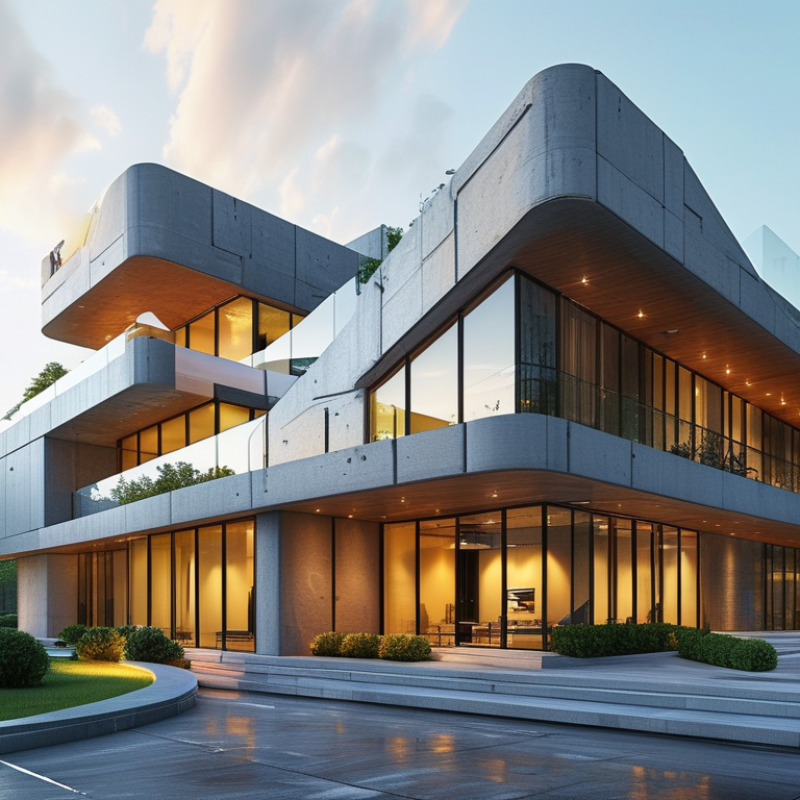
Understanding Architectural 3D Render Solutions: An Overview
Choosing the right architectural 3D render solutions is crucial. This process involves understanding the various options available. Professionals in architecture benefit from high-quality visualizations. These tools bring designs to life and aid in client communication. A well-crafted 3D render can evoke emotions. It can showcase materials, lighting, and spatial relationships effectively.
Many render solutions exist, each with unique strengths. Some specialize in speed, while others focus on realism. Understanding your project's specific needs is key. For instance, if you are working on a large urban project, you may need a solution that handles intricate details. On the other hand, a simple residential design might require less complexity.
Trial and error often play a role in the selection process. Users may find initial choices do not meet expectations. Regular feedback from team members can illuminate these gaps. Flexibility and adaptability are essential. Over time, preferences may shift. The right solutions will evolve alongside your design philosophy, improving your architectural storytelling.
Key Features to Consider in 3D Rendering Software
Choosing the right architectural 3D rendering solution requires careful consideration of key features. One crucial aspect is usability. The software should be intuitive. A steep learning curve can hinder productivity. Look for programs that offer user-friendly interfaces and comprehensive tutorials.
Rendering quality is another critical feature. High-quality renders can elevate your presentations significantly. This includes realistic lighting, textures, and shadows. Choose solutions that support advanced rendering techniques like ray tracing. It's vital for achieving lifelike results.
Tips: Always test various options. Sign up for free trials to gauge your comfort level. Seek out reviews from other architects. Their experiences can provide insights into reliability and support. Balancing features with ease of use is key. You want software that meets your needs without overwhelming you. Remember, the best tool is one that enhances your creativity, not stifles it.
Comparing Popular Architectural 3D Render Solutions on the Market
In recent years, the demand for architectural 3D rendering solutions has surged significantly. A report by MarketsandMarkets indicates that the global 3D rendering market is expected to reach $10 billion by 2026, growing at a CAGR of over 25%. This growth highlights the need for professionals to adopt effective rendering solutions. However, choosing the right tool can be daunting, given the plethora of options available.
Popular solutions generally offer features like photorealistic rendering, real-time visualization, and extensive asset libraries. For instance, users must evaluate which platforms provide accurate lighting simulations and support for large project files. Some tools, while powerful, may require a steep learning curve, which can be a hurdle for many. Furthermore, not every solution meets the needs of every project type. In some cases, a tool may excel at exterior renderings but falter in creating intricate interior spaces.
Many professionals still feel overwhelmed by the variety of choices. A detailed analysis of user reviews often reveals common challenges, such as frequent software updates causing disruptions. Security is also a concern, with many looking for reliable support and backup solutions. As technology evolves, the path to identifying the best architectural render solutions necessitates constant reflection and adaptation. A well-informed choice can significantly enhance project outcomes.
Evaluating the Cost-Effectiveness of 3D Rendering Options
When evaluating the cost-effectiveness of 3D rendering options, professionals must consider several key factors. The first step is to analyze the project requirements. Not all projects are the same; complex designs need advanced rendering techniques. This could drive up costs but may be essential for quality. A basic project might benefit from simpler, less expensive solutions.
Next, consider the expertise of the team involved. Skilled artists and architects can enhance results dramatically. Their expertise may justify higher costs. However, relying on inexperienced teams can lead to poor quality and costly revisions. It's essential to balance quality with budget constraints. Some companies may offer lower prices but lack depth in their portfolios.
Lastly, factor in production time. Faster rendering might save time but could inflate costs. Slower, high-quality rendering allows for more detailed work. The decision should reflect the project's specific needs. Reflect on past experiences. Were the results worth the investment? Analyzing previous projects will guide future decisions. This approach helps achieve a balance between quality, speed, and cost.
Tips for Selecting the Right Renderer for Your Architectural Project
When selecting a 3D rendering solution for your architectural project, several key factors come into play. The rendering market is rapidly evolving, with a projected growth rate of 25% annually from 2023 to 2026 (MarketsandMarkets report). This rise emphasizes the importance of choosing the right renderer.
One essential tip is to assess the quality of previous work. Look for a portfolio that displays a range of styles. A renderer's ability to handle detailed textures and realistic lighting is crucial. You want to capture every architectural nuance. Videos and animated walkthroughs can also provide deeper insights.
Consider user reviews and case studies. A reliable renderer consistently meets deadlines and communicates updates effectively. Client testimonials can reveal their experience as well. A strong support system is vital, especially for complex projects.
Lastly, think about scalability. As your projects grow, you’ll want a renderer that can adapt to your expanding needs. Balancing cost and quality is tricky. Sometimes lower rates come at the expense of details. Evaluate your priorities to find the best fit. Each choice reflects on the final outcome, impacting how potential clients perceive your vision.
2026 How to Choose the Best Architectural 3D Render Solutions? - Tips for Selecting the Right Renderer for Your Architectural Project
| Criteria | Description | Importance Level | Example Tools |
| Quality of Output | The realism and detail of rendered images. | High | Software A, Software B |
| User-Friendliness | Ease of use and learning curve for new users. | Medium | Software C, Software D |
| Rendering Speed | Time taken to produce high-quality renders. | High | Software E, Software F |
| Integration with Other Tools | Compatibility with architectural design software. | High | Software G, Software H |
| Cost | Affordability and licensing options available. | Medium | Software I, Software J |
| Customer Support | Availability and quality of technical support. | Medium | Software K, Software L |