How to Choose the Best Print Inspection Systems for Your Needs?
In today's fast-paced printing industry, Print Inspection Systems have become essential tools for maintaining quality control. These systems help identify defects and ensure consistency in printed materials. Selecting the right system can be challenging due to the diverse options available. Factors such as technology, budget, and specific needs come into play.
Understanding the features of various Print Inspection Systems is crucial. Not all systems are created equal. Some may excel in color detection, while others perform better with material flaws. Additionally, the integration of advanced technologies like AI can enhance detection capabilities. However, this doesn't mean every feature will suit your needs. Reflecting on your unique requirements is vital.
Cost is another significant consideration. Some advanced systems come with high price tags, raising concerns about return on investment. Yet, investing in the right technology can save money in the long term by reducing waste and reprints. Balancing quality and budget is a constant challenge for businesses. Ultimately, the goal is to ensure that every print meets the desired standard.
Understanding the Importance of Print Inspection Systems in Quality Control
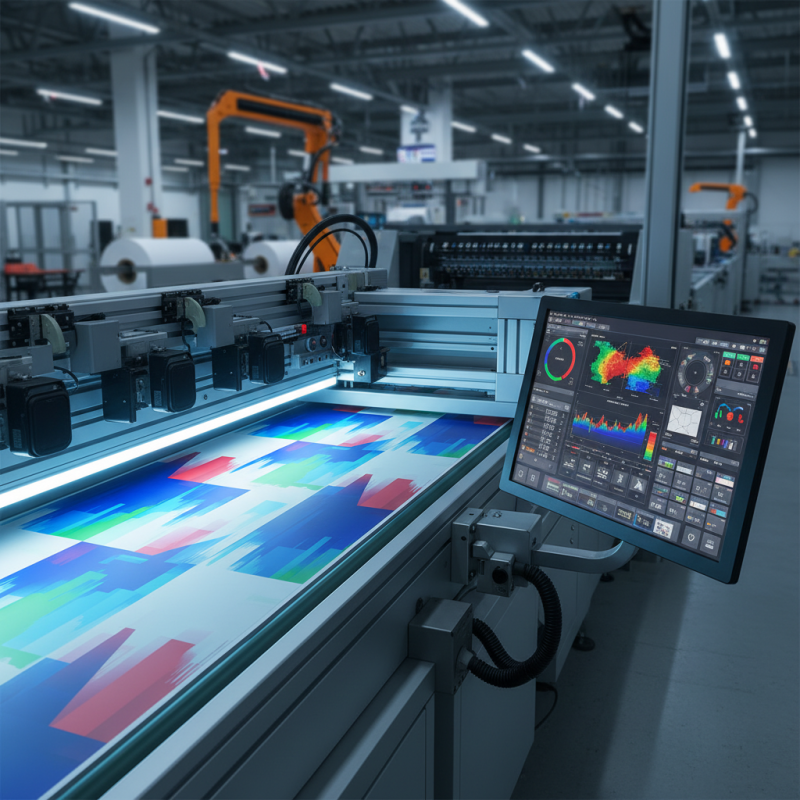
Print inspection systems play a vital role in maintaining quality control. They help identify defects in printed materials. Missing ink, color misalignments, or smudges can severely impact product quality. An effective inspection system reduces waste and enhances customer satisfaction. Regular monitoring ensures that each print meets the required standards.
Moreover, choosing the right print inspection system should not be taken lightly. It requires understanding specific needs. Different industries have unique challenges. For instance, packaging and labels may have more stringent requirements than general printing. A system that works well for one application may fail in another, risking potential losses.
Investing in reliable technology is crucial but also comes with challenges. Systems require regular updates and maintenance to function optimally. Personnel must be trained to use these systems effectively. A gap in skills can lead to errors. Balancing technology with human oversight is often necessary. The goal is to catch issues before they reach consumers. This highlights the importance of a comprehensive quality control strategy that aligns with production goals.
Print Inspection Systems Performance Metrics
Key Features to Consider When Selecting Print Inspection Technology
When selecting print inspection technology, several key features should guide your decision. High-resolution imaging is essential. It allows for detecting defects that might go unnoticed. According to a report from the Quality Assurance Association, up to 30% of printing errors can be identified with advanced imaging systems. This increased accuracy directly impacts product quality and customer satisfaction.
Integration capabilities are another critical aspect. The right system should seamlessly connect with existing production lines. A study by the Print Inspection Forum revealed that companies experiencing trouble with integration lost up to 20% in operational efficiency. Compatibility with various substrates is also essential. Many businesses overlook this, which can lead to wasted resources and reprints.
Consider the speed of the inspection system. Modern solutions can process thousands of images per minute. However, if a system is too fast without proper quality assurance checks, it risks overlooking defects. This balance between speed and accuracy requires careful evaluation. Sometimes, the most advanced technology may not suit specific operational needs, leading to potential pitfalls that require reflection.
Comparing Different Types of Print Inspection Systems: Cameras vs. Sensors
When choosing print inspection systems, understanding the differences between cameras and sensors is essential. Cameras offer high-resolution imaging capability. They can detect color variations, print defects, and misalignments with precision. According to a report by the Industry Print Inspection Association, camera-based systems can achieve accuracy rates exceeding 95%. This precision is crucial for maintaining product quality in high-speed production lines.
On the other hand, sensors are more compact and often less expensive. They excel at monitoring specific print parameters, such as thickness or viscosity. However, their functionality might be limited compared to camera systems. A study indicated that sensor-based inspections have a detection rate of about 85% in standard conditions. This gap raises questions about their reliability in complex printing scenarios.
Both systems have advantages and drawbacks. Cameras provide comprehensive data but require significant processing power and might introduce latency. Sensors are simpler but may miss nuanced defects. It's vital to assess your production needs and consider these factors when selecting the right inspection system.
Evaluating Performance Metrics: Accuracy, Speed, and Error Detection Rates
When selecting print inspection systems, evaluating performance metrics is crucial. Accuracy directly influences print quality. According to a recent industry report, systems with over 99% accuracy significantly reduce product rejection rates. Errors in print can lead to costly reprints and dissatisfied customers.
Speed matters too. A system that inspects 300 meters per minute may seem superior, but it must maintain accuracy during high-speed operations. Another study indicates that systems operating at faster speeds with lower error detection rates can miss critical flaws. Balance between speed and accuracy is essential.
When choosing a system, consider these tips:
- First, assess the specific needs of your production line. Analyze your average printing speed and required accuracy levels.
- Secondly, review error detection rates. Systems detecting 95% of errors need further evaluation.
- Lastly, ask for performance demos. Real-world testing provides insight into a system's efficiency and capability.
Trustworthy data can guide you, but
real-world performance can tell the complete story.
Cost Analysis: Balancing Investment and ROI in Print Inspection Solutions
Choosing the right print inspection system involves careful consideration of costs. It's essential to balance your initial investment and the potential return on investment (ROI). Companies often feel pressured to choose the most advanced technology, forgetting that high costs do not always equate to better performance. A thorough cost analysis can illuminate the best path forward.
Before finalizing a solution, analyze both direct and indirect costs. Think about training, maintenance, and system integration. These expenses can accumulate, impacting your budget significantly. A system with a lower upfront cost may lead to higher expenses later. Sometimes, overlooked elements can escalate costs over time, requiring adjustments in budgeting strategies.
Evaluate the potential ROI by examining increased efficiency and reduced waste. Data from existing users can provide insights into performance metrics. Consider gathering feedback from industry peers to gauge effectiveness. Practical experiences often highlight aspects that appear ideal on paper but may not work as expected in real-world applications. It’s vital to approach your selection with an open mind and a willingness to reassess your choices regularly.