Why Choosing New Machinery Is Essential for Your Business Success?
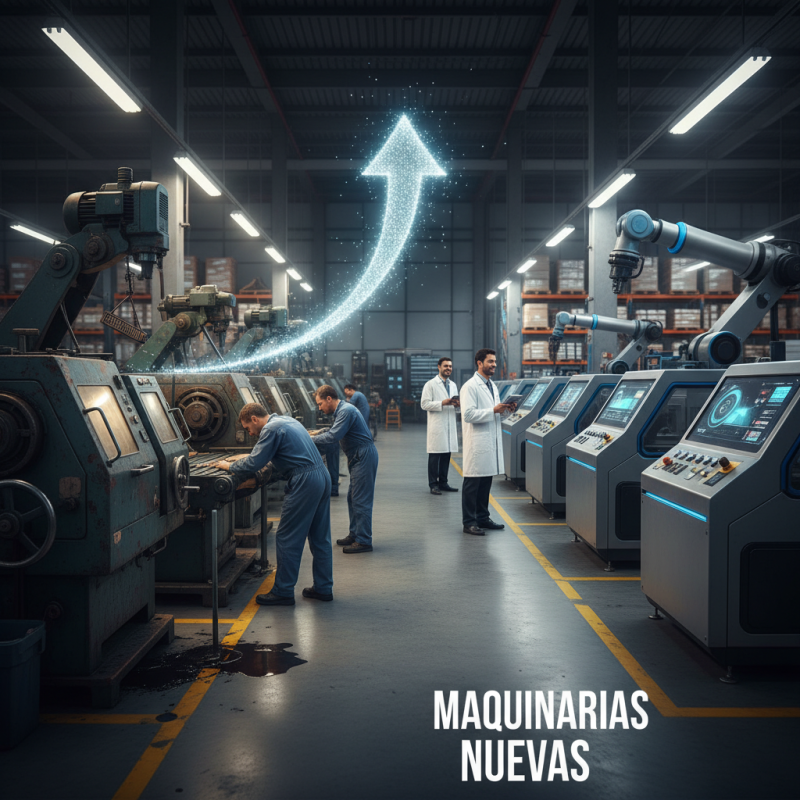
Investing in "Maquinarias Nuevas" can significantly impact your business’s growth and efficiency. According to a report by the International Machinery Association, upgrading to new machinery can increase productivity by up to 30%. This statistic highlights the crucial role that modern equipment plays in maintaining a competitive edge.
Industry expert Javier López emphasizes, "New machinery not only boosts productivity but also reduces maintenance costs." This statement reveals the dual benefits of incorporating advanced technology into manufacturing processes. Many businesses focus on cost-cutting without realizing that old machines can lead to higher long-term expenses. The depreciation of outdated equipment often results in breakdowns and delays.
However, the journey toward modernization isn’t always straightforward. Companies may hesitate due to financial constraints or fear of change. Striking a balance between new investments and existing operations can be challenging. To succeed, businesses must critically evaluate their current machinery and its impact on efficiency. Is it time to invest in "Maquinarias Nuevas"? Reflecting on this question may uncover the path to future success.
The Role of Modern Machinery in Business Efficiency
Modern machinery plays a critical role in enhancing business efficiency. According to a report by the International Federation of Robotics, companies that invest in advanced machinery can increase productivity by up to 30%. This substantial improvement stems from the ability of new technologies to streamline processes and reduce manual tasks. For instance, automated systems can handle repetitive jobs faster than humans, freeing up staff for more strategic activities.
In today’s competitive landscape, failing to upgrade machinery can hinder growth. A study by McKinsey found that businesses using outdated equipment face up to a 25% decrease in output. While the initial investment in new machinery may seem daunting, the long-term benefits often outweigh the costs. However, transitioning isn't always seamless. Companies may struggle with employee training and integration, which can lead to temporary disruptions. Understanding the balance between modern tools and workforce adaptation is essential for sustained efficiency.
Benefits of Upgrading Machinery for Increased Productivity
Upgrading machinery can significantly boost productivity in any business. New machines often run faster and more efficiently. They can handle tasks with greater precision, reducing waste and errors. When a production line is streamlined, output increases. This leads to higher profits and improved customer satisfaction.
Older machines may cause delays and increase maintenance costs. They often require more frequent repairs, leading to downtime. Investing in new equipment can minimize these issues. Modern technology may also introduce automation, which speeds up tasks. Employees can focus on higher-value activities rather than repetitive tasks.
Choosing the right machinery isn’t always easy. Businesses must assess their specific needs and budget. There can be uncertainties about return on investment. However, the long-term benefits often outweigh these initial concerns. Upgrading can create a competitive edge and foster innovation. Embracing change is vital in a rapidly evolving market.
Cost Considerations When Choosing New Equipment
When considering new machinery for your business, cost is a significant factor. But it's not just the price of the equipment. You need to weigh long-term costs too. Maintenance, energy consumption, and training employees all add up. A cheap machine today might become expensive over time.
Tips: Always estimate the total cost of ownership. This includes initial purchase costs, ongoing maintenance, and operational expenses. Consider upgraded features that enhance efficiency. They might have a higher sticker price but save money in the long run.
Another point to consider is the potential for downtime. Old machinery may break down more often, hurting productivity. New equipment usually comes with warranty and support. This can lead to savings on repairs. Yet, it’s important to read reviews and investigate before purchasing. Make sure you are not rushing into a decision that might hurt your business later.
Evaluate your financing options as well. Leasing machinery might be beneficial, allowing you to keep cash flow steady. But you could end up paying more in the long run. Understand your company's financial limits and choose wisely.
Why Choosing New Machinery Is Essential for Your Business Success? - Cost Considerations When Choosing New Equipment
| Equipment Type | Purchase Cost ($) | Maintenance Cost (Annual) ($) | Efficiency Rating | Expected Lifespan (Years) | Estimated ROI (%) |
| Excavator | 150,000 | 10,000 | 85 | 10 | 30 |
| Forklift | 35,000 | 2,500 | 90 | 7 | 35 |
| CNC Machine | 200,000 | 15,000 | 95 | 12 | 40 |
| Conveyor Belt | 25,000 | 1,200 | 88 | 15 | 28 |
| Laser Cutter | 120,000 | 5,000 | 92 | 10 | 33 |
Impact of Technology Advancements on Machinery Selection
Advancements in technology dramatically change the landscape of machinery selection. Businesses must adapt to keep up. New machines provide enhanced features that can streamline operations. For instance, automation technology increases efficiency. By automating repetitive tasks, companies can focus on more strategic initiatives. This shift not only saves time but also reduces labor costs. However, not every business is ready to embrace these changes.
Choosing the right machinery can be overwhelming. Some may hesitate, fearing the upfront investment. Yet, the long-term benefits often outweigh initial costs. Older machines can become inefficient and costly to maintain. They may lack the capabilities of new technology. This can lead to production delays and missed opportunities. Adopting the latest equipment might require a mindset change. Businesses must be willing to invest in their future and overcome resistance.
The impact of technology on machinery is profound. Innovations emerge regularly, and organizations should stay informed. Failure to do so might place businesses at a disadvantage. While new technology promises optimization, it requires strategic planning and training. Companies must consider their unique needs before making decisions. Embracing change is essential, but so is careful evaluation.
Impact of Technology Advancements on Machinery Selection
Long-term Value and Return on Investment of New Machinery
Investing in new machinery can lead to significant long-term value for your business. New equipment often improves efficiency. It can produce higher quality products, which boosts customer satisfaction. This improvement directly translates into increased sales and profits.
Tip: Always consider energy efficiency. Newer machinery often consumes less power. This leads to cost savings over time.
However, it's crucial to assess the total cost of ownership. Maintenance costs can add up. If machinery requires frequent repairs, it may not be a wise investment. Another point to ponder is employee training. New technology can confuse staff initially. Therefore, invest time in training to maximize returns.
Tip: Don’t rush into purchases. Take time to analyze your specific needs. This ensures you choose machinery that aligns perfectly with your business goals.