2026 How to Choose the Best Camping Sleeping Bag for You?
Choosing the right camping sleeping bag can greatly enhance your outdoor experience. According to Outdoor Industry Association, the camping gear market reached $12 billion in 2022. As outdoor activities rise in popularity, so does the variety of sleeping bags available.
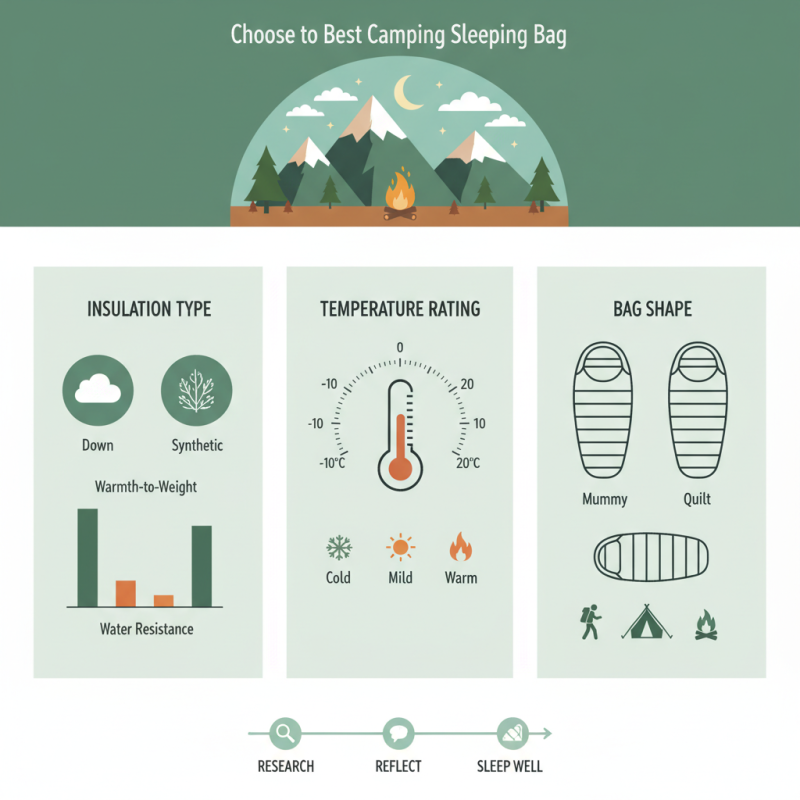
Expert and outdoor enthusiast Jane Smith emphasizes the importance of comfort: "A good sleeping bag is essential for a restful night in the wild." With so many options, it can be overwhelming. You must consider factors like insulation type, temperature ratings, and bag shape.
Remember that not all sleeping bags are created equal. The right camping sleeping bag should align with your specific needs and preferences. Overlooking these aspects can lead to discomfort during your trip. Taking time to research and reflect on your choices can make a significant difference.
Understanding Different Types of Camping Sleeping Bags
When it comes to camping, a good sleeping bag is essential. Different types serve various needs. Understanding the differences can enhance your outdoor experience significantly.
Mummy sleeping bags are a popular choice. They offer excellent insulation and warmth retention. According to industry reports, they are optimal for temperatures as low as 20°F. Their snug design minimizes cold air pockets. However, some users find them restrictive. A bad fit can lead to discomfort and restless sleep.
On the other hand, rectangular sleeping bags provide room to move. They are great for casual camping and warmer nights. However, they sacrifice some warmth due to their shape. Reports indicate they are less effective in temperatures below 30°F. They lack the insulation of mummy bags. This may not work for every camper. It’s crucial to consider your priorities before making a choice. Look for a bag that balances comfort and warmth. Your experience in the wild relies heavily on this decision.
Evaluating Insulation Materials: Down vs. Synthetic
When choosing a sleeping bag, insulation material is key. Two main types are down and synthetic. Down insulation is lightweight and compressible. It provides excellent warmth for its weight. However, it loses insulation when wet. This can be a significant drawback in damp conditions. If you're camping in unpredictable weather, synthetic materials may be safer.
Synthetic insulation is durable and retains warmth when damp. It's also more affordable and easier to care for. However, it is bulkier and heavier than down. This difference can affect how much space you have in your pack. Consider your camping style. Will you be in cold, dry areas or damp climates? Your choice might vary based on this, and it’s essential to reflect on your experiences.
Each material has its pros and cons. The right choice depends on your specific needs. Take time to weigh your options. Try different sleeping bags if possible. There's no one-size-fits-all answer. Often, the best choice reflects your unique preferences and intended adventures.
2026 How to Choose the Best Camping Sleeping Bag for You? - Evaluating Insulation Materials: Down vs. Synthetic
| Feature | Down Insulation | Synthetic Insulation |
| Warmth-to-Weight Ratio | Excellent | Good |
| Compressibility | High | Moderate |
| Moisture Resistance | Low | High |
| Durability | Moderate | High |
| Price | Higher | Lower |
| Best Use | Cold, dry conditions | Wet, humid conditions |
Choosing the Right Temperature Rating for Your Needs
When choosing a sleeping bag, temperature rating is crucial. It directly impacts your comfort during chilly nights. Every bag comes with a temperature range. Knowing your needs helps you select wisely. Look at the lowest temperature you'll encounter. Many campers underestimate it. A night in a cold tent can be harsh.
Consider your personal comfort level. Some people sleep hotter than others. A bag rated for 20°F may feel warm for one, but cold for another. Be realistic about how you sleep. A liner can help adjust the warmth too. It’s an easy fix but often overlooked.
Don’t forget the bag's insulation type. Down is warm and compressible, yet it’s pricey. Synthetic insulation is heavier but cheaper and insulates even when wet. If you're prone to moisture, this might be a better choice. Reflecting on your experiences can guide future decisions. Choosing the right sleeping bag isn't just about ratings; it's about knowing yourself.
Considering the Shape and Size for Comfort and Portability
When choosing a sleeping bag, shape and size greatly influence your outdoor experience. You might prefer a rectangular bag for spaciousness. It allows easy movement during the night. However, a mummy-shaped bag fits snugly, keeping you warmer. Consider your sleeping style. If you’re a side sleeper, a wider bag may be necessary for comfort.
Size is also crucial for portability. A too-large bag can be cumbersome to carry. Opt for a compact model that fits within your backpack easily. Remember, a well-fitted bag reduces the chance of drafts sneaking in. Yet, you might find that a slightly larger bag offers extra comfort. It’s a balance between warmth and weight.
Don’t overlook insulation types. Some materials compress easily but take time to expand back. This may lead to inadequate warmth if not handled properly. Think about your trips, too. If you camp in multiple climates, versatility is key. Reflect on your needs and preferences. Adjusting your choice between comfort and portability can greatly enhance your camping experience.
Additional Features to Look for in a Camping Sleeping Bag
When choosing a camping sleeping bag, consider various additional features that can enhance your outdoor experience. Insulation type is crucial. Down filling is lightweight and compact, but synthetic options perform better when wet. Moreover, a water-resistant shell can protect you from unexpected moisture. Look for bags with draft collars. These prevent warm air from escaping, keeping you cozy throughout the night.
Another feature to inspect is the zipper quality. A snag-free zipper allows easy access without frustrating delays. Some bags come with two-way zippers, offering versatility for ventilation. Hood design is also vital. A well-structured hood can elevate warmth and comfort, especially in chilly weather. The shape matters too; mummy bags are snug but may feel restrictive, while rectangular ones offer more room to move.
Lastly, consider weight and packed size, especially for backpackers. Many campers fail to prioritize these aspects. Struggling with heavy gear can lead to exhaustion. Reflect on your specific needs. Everyone has different preferences, so what works for one may not work for another. Take the time to explore these features for a sleeping bag tailored to your adventures.
2026 How to Choose the Best Camping Sleeping Bag for You?