How to Choose the Best Casement Window for Your Home?
Choosing the best Casement Window for your home involves several important considerations. Casement windows are known for their versatility and functionality. They can enhance both the aesthetic and energy efficiency of your home.
When selecting casement windows, evaluate your home’s style and architecture. Consider the materials and finishes that will complement your exterior. High-quality materials not only improve durability but also provide better insulation. It’s essential to look for windows with good energy ratings. This can lead to significant savings on heating and cooling costs.
Installation is another critical factor. Hiring professionals may ensure proper fitting and performance. However, homeowners sometimes overlook the importance of professional help and may face issues later. Research local contractors with experience in installing casement windows. Your investment in these windows should reflect in their performance and your comfort at home.
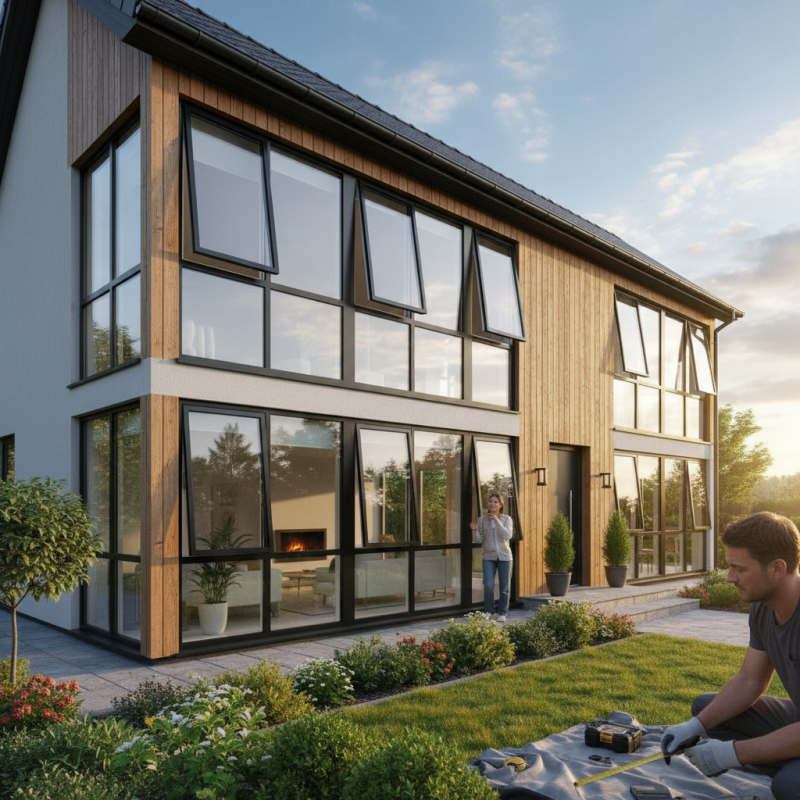
Choosing the Right Material for Casement Windows: Wood, Vinyl, or Aluminum
When choosing casement windows, the material is crucial. Wood, vinyl, and aluminum each have distinct advantages and drawbacks. Wood offers a classic look and excellent insulation. It can be painted or stained to match any decor. However, wood requires regular maintenance to prevent rot and warping. This upkeep can be time-consuming and costly.
Vinyl is known for its durability and low maintenance. It resists moisture and doesn't require painting. Vinyl windows are available in various colors and styles, making them versatile. On the downside, they may not offer the same aesthetic appeal as wood. Some homeowners find vinyl less responsive to changes in home design.
Aluminum frames are incredibly strong and resistant to the elements. They can accommodate larger glass panes, providing great views and natural light. However, they do not insulate as well as wood or vinyl. In cooler climates, this might lead to higher energy bills. Each material offers distinct benefits, but selecting the right one requires careful consideration of your home's needs and climate. Reflect on what matters most to you: aesthetics, energy efficiency, or maintenance.
How to Choose the Best Casement Window for Your Home?
| Material | Durability | Maintenance | Energy Efficiency | Cost |
| Wood | High | High | Good | High |
| Vinyl | Moderate | Low | Very Good | Moderate |
| Aluminum | High | Low | Moderate | Moderate to High |
Understanding Energy Efficiency Ratings for Casement Windows
When selecting casement windows, understanding energy efficiency ratings is crucial. These ratings help homeowners gauge how well windows will perform against heat loss and gain. According to the U.S. Department of Energy, windows can account for 25-30% of residential heating and cooling energy use. Choosing windows with high energy efficiency ratings can significantly reduce these costs, offering potential savings over time.
A key component of energy efficiency is the window's U-factor, which measures thermal performance. A lower U-factor indicates better insulation and less heat loss. Look for windows with a U-factor of 0.30 or lower for optimal energy savings. Additionally, consider the solar heat gain coefficient (SHGC). Lower values are beneficial in hot climates, as they reduce cooling costs.
Tips: Always compare products. Check labels for energy ratings. Consult with experts if you’re unsure. Pay close attention to installation quality. A poorly installed window can negate energy efficiency benefits. Ultimately, investing in casement windows with solid energy efficiency ratings can enhance your home's comfort while being kind to your wallet.
Examining Styles and Designs: Enhancing Curb Appeal with Casement Windows
Casement windows are a fantastic way to elevate your home’s exterior. They are characterized by their unique design that opens outward, providing exceptional ventilation. When considering styles, the choices appear endless. Think about your home's architectural style. Traditional homes pair well with classic casement windows, while modern designs may benefit from sleek, minimalist frames.
Incorporating casement windows can significantly enhance curb appeal. Their ability to allow natural light boosts the ambiance of any room. The right hardware can also add a stylish touch. When selecting colors, consider shades that complement your home’s facade. A distinct color can create a striking contrast. Understand that choosing the wrong style may lead to a mismatched look.
Installation is crucial. Poorly installed windows can defeat many of their aesthetic advantages. Ensure you choose experienced professionals for installation. They understand design subtleties and ensure proper function. When reflecting on your options, visualize how different designs will blend with your property. Don’t rush this decision; it impacts your home’s appearance for years.
How to Choose the Best Casement Window for Your Home?
This chart illustrates the popularity of different casement window styles based on homeowner preferences, enhancing curb appeal across various designs.
Key Measurements and Installation Tips for Optimal Casement Window Fit
Choosing the right casement window involves careful measurements and accurate installation for optimal performance. According to the Window and Door Manufacturers Association, improper sizing is a leading cause of energy loss in homes. This emphasizes the importance of taking precise measurements before purchase. Measure the width and height of the window opening at several points. The smallest measurement will guide your selection for a perfect fit.
When installing, ensure the window frame is level and square. A report from the National Fenestration Rating Council states that misalignment can reduce a window's energy efficiency by up to 25%. Use shims to make adjustments during installation. Secure the window with appropriate fasteners to prevent air leaks. Ensure to caulk around the exterior seams for added insulation.
Tips: Always check for local building codes. This ensures compliance and reduces future issues. Don’t rush the installation process—taking your time can mitigate mistakes. For enhanced energy efficiency, consider Low-E glass options, which can help reduce heating and cooling costs in the long run.
Comparing Costs and Long-term Value of Different Casement Window Options
Choosing the right casement window involves more than aesthetics. You must consider costs and value. According to the National Association of Realtors, windows account for around 10% of a home's total value. Investing wisely in casement windows can enhance energy efficiency and curb appeal.
Installation costs for casement windows can vary significantly. A standard window might range from $300 to $800, depending on material and size. Meanwhile, high-end options could exceed $1,500. Some data suggest that vinyl casement windows offer approximately 74% return on investment upon resale. In contrast, aluminum frames may last longer but can be less energy-efficient, driving up long-term heating and cooling costs.
Additionally, maintenance should be part of your consideration. Wooden frames require regular staining or painting. Vinyl windows require minimal upkeep. However, lower initial costs might tempt homeowners. This could lead to expensive replacements later. Evaluating long-term value is crucial for sustainable living. Balancing immediate costs with future benefits will guide you to the best choice.