How to Choose the Best Geb Meter Box for Your Needs?
Selecting the right Geb Meter Box is crucial for efficient energy management. According to a report by Energy Tech Insights, improper meter box choices can lead to a 15% increase in energy costs. This emphasizes the importance of making informed decisions.
Industry expert Dr. Rachel Barnes states, "Choosing the correct Geb Meter Box can significantly influence energy efficiency." She highlights that not all meter boxes are created equal. Factors like size, materials, and compatibility with existing systems are vital.
Understanding your specific needs is essential. Ask questions about capacity and installation requirements. Research is key to avoid costly mistakes. Choosing the right Geb Meter Box can seem daunting, but it can lead to substantial long-term savings and performance improvements.
Understanding the Functionality and Importance of a Geb Meter Box
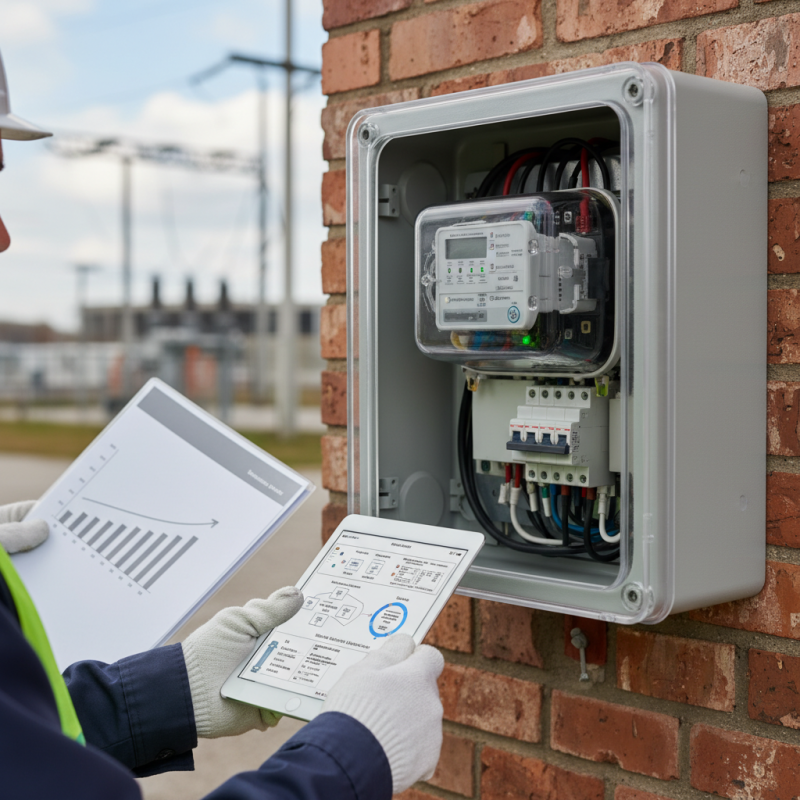
A GEB meter box is crucial for managing electricity consumption. It not only holds the meter but also ensures safety. Proper installation influences energy efficiency. According to the Energy Information Administration, 30% of energy can be saved with effective management tools. The right box can optimize your energy usage.
Choosing an appropriate meter box is not straightforward. Different properties have varying power needs. For example, a residential unit may require different specifications than a commercial building. Some boxes may lack adequate insulation, leading to energy loss. The right model must provide durability and safety features.
Cost is another factor. Some boxes may be overpriced for their capabilities. A study by the International Energy Agency found that poorly designed meter boxes can contribute to increased electricity costs by up to 15%. It's essential to analyze both features and pricing carefully. A well-informed decision requires understanding functionality. Consider your specific needs before making a purchase.
Electric Meter Box Comparison
Key Considerations for Selecting the Right Size of Geb Meter Box
Choosing the right size of a GEB Meter Box is crucial for efficiency and accessibility. Many people overlook this aspect. A meter box that is too small can lead to complications in installation. Conversely, an oversized meter box may waste space and complicate your setup.
Consider the electrical load your home will require. This will influence the size you need. Measure available installation space as well. Ensuring your meter box fits without restrictions is vital for any future upgrades or repairs.
Tips: Be aware of local codes and regulations. Sometimes, larger meter boxes are mandatory in certain areas. Consulting with a professional may prevent costly mistakes.
Also, think about future needs. If you plan to expand your electrical system, opt for a larger box. It’s essential to anticipate your requirements rather than react to them later. A thoughtful selection can save you time and money in the long run.
Evaluating the Material Options: Plastic vs. Metal Geb Meter Boxes
When selecting a Geb meter box, material choice is crucial. Plastic and metal are the two main options. Each material has its pros and cons, impacting durability, cost, and installation.
Plastic meter boxes are lightweight and resistant to corrosion, making them an attractive option for various environments. A study by the Electric Power Research Institute (EPRI) noted that plastic can last up to 20 years, even in harsh conditions. However, they may not withstand high-impact forces, leading to potential vulnerabilities over time.
On the other hand, metal meter boxes offer enhanced strength and can endure extreme weather. According to a report by the Institute of Electrical and Electronics Engineers (IEEE), metal options often have a lifespan exceeding 30 years. Yet, they can be more expensive and prone to rust if not properly treated. Homeowners should weigh these factors carefully. Assessing local climate conditions is essential in making a decision.
How to Choose the Best Geb Meter Box for Your Needs? - Evaluating the Material Options: Plastic vs. Metal Geb Meter Boxes
| Feature | Plastic Geb Meter Box | Metal Geb Meter Box |
| Durability | Moderate - resistant to corrosion but can crack under heavy impact | High - robust and last longer in harsh conditions |
| Weight | Lightweight and easy to handle | Heavy and may require more effort to move or install |
| Cost | Generally lower in price | Usually higher investment |
| Thermal Insulation | Good insulation properties | Poor insulation, can be affected by extreme temperatures |
| Aesthetics | Available in various colors and styles | Usually a standard metallic appearance |
| Environmental Impact | Made from recyclable materials | Can be recycled but may involve more energy in production |
Comparing Cost, Longevity, and Maintenance of Different Geb Meter Boxes
Choosing the right GEB (General Electric Box) meter box requires a careful assessment of cost, longevity, and maintenance. The cost is often a deciding factor. Lower-priced options may appeal, but they might compromise on durability. Investing more upfront can lead to savings in the long run. Cheaper boxes might need replacement sooner than expected.
Longevity is crucial. A robust meter box can withstand harsh weather and wear. Quality materials and construction can extend its life significantly. When researching, check customer reviews and reports on how long each type lasts. Longevity reduces the frequency of replacement and overall lifetime costs.
Maintenance is another significant concern. Some meter boxes require more frequent checks and upkeep. A less durable box might increase maintenance time and costs. Consider user manuals and service guides. They can reveal potential issues in maintenance. Reflecting on these aspects can help narrow down the best choice for your needs. A tough box may demand a higher initial investment, but it can save you hassle later on.
Industry Standards and Certifications for Reliable Geb Meter Box Selection
When selecting a GEB meter box, adherence to industry standards is crucial. Reliable meter boxes often meet specific certifications that ensure safety and performance. Look for conformity with standards such as ISO or IEC. These certifications indicate that the box has been tested rigorously. This builds trust in the product's quality.
It’s also important to consider the materials used in the meter box construction. High-quality materials can resist environmental stressors like moisture and extreme temperatures. Inadequate protection can lead to performance issues. Inspecting the design for ventilation and ease of access is necessary. Compromises in these areas may affect long-term usability.
Ensure you evaluate the features that matter most for your specific installation. Compatibility with existing infrastructure can save you time and money. Avoid a one-size-fits-all approach, as every project has unique challenges. Seek expert advice when in doubt. This reflects a commitment to making informed and reliable choices.