How to Choose the Right DC Charging Connector for Your Needs?
Choosing the right Dc Charging Connector can feel overwhelming due to numerous options. Each type has unique features tailored to different electric vehicles and charging stations. When making this decision, knowledge is vital.
Consider the power requirements of your vehicle. Compatibility with your EV model ensures efficient charging. However, don't overlook the specifics of your charging station. Not all connectors fit every infrastructure. This mismatch can lead to inconvenience.
Many users encounter issues with charging speeds and connection stability. It’s essential to consult with experts or reliable sources. Awareness of your vehicle’s capabilities is important. The right DC Charging Connector can save time and enhance your driving experience. Your choice directly impacts charging efficiency and usability. Sticking to trusted information will guide you in this essential decision.
Understanding the Different Types of DC Charging Connectors
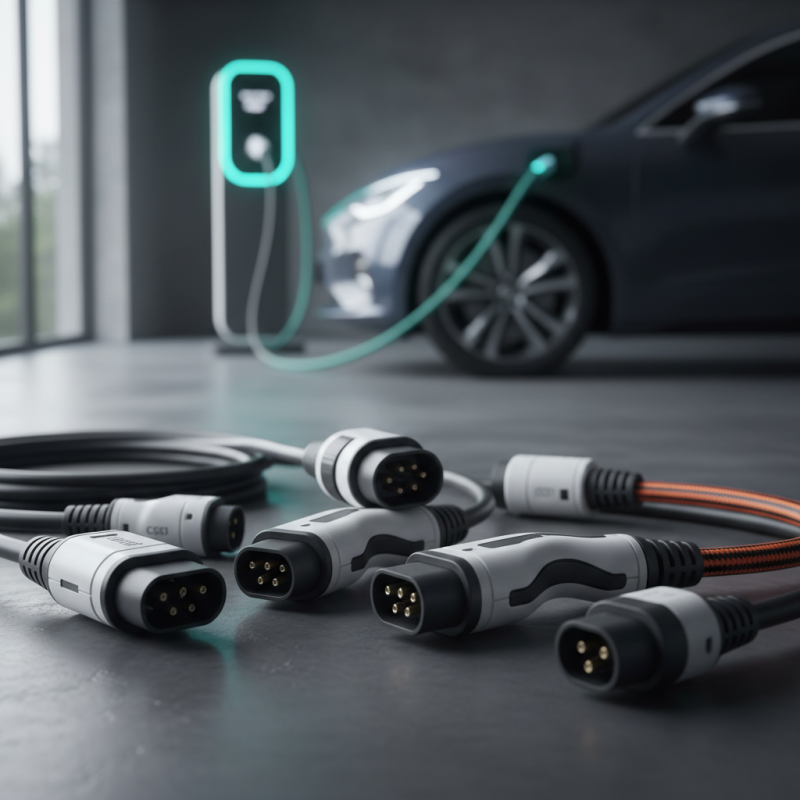
When selecting a DC charging connector, understanding the types available is crucial. There are various standards in the market, each designed for specific applications and vehicles. For instance, CCS (Combined Charging System) is widely used in Europe and North America. It combines AC and DC charging capabilities, making it versatile. Then there's CHAdeMO, which is popular in Japan. Each connector serves unique power requirements.
Compatibility is essential when choosing a connector. Some vehicles might only work with certain types. Checking your vehicle’s specifications can prevent frustration later. Also, consider future-proofing your choice. Newer standards emerge as technology advances. Adapting to these changes may save you time and money. However, this approach isn’t without risks. Choosing the latest connector might lead to compatibility issues with older infrastructure.
User experiences can vary significantly. Some users report breakthrough moments with quick charging, while others express dissatisfaction. This inconsistency highlights the importance of thorough research. Installing a connector should align with your regular charging habits. Consider factors like network availability and charging speed. Balancing convenience with the right specifications is key to a successful choice.
Assessing Compatibility with Your Electric Vehicle
When choosing a DC charging connector, compatibility with your electric vehicle (EV) is crucial. Different vehicles use different standards. Understanding your EV’s requirements can save you time and money. Check the specifications in your owner’s manual. Ensure you know the type of connector your car supports. This knowledge helps avoid any compatibility issues.
Here are some tips. Check online resources for compatibility charts. Many websites provide lists of vehicles and their corresponding charging connectors. If you're unsure, consulting with your dealer can provide clarity. Remember that some connectors may require adapters; choosing an adapter impacts charging speed.
Keep in mind that the charging network varies by region. Investigate local charging stations and see which connectors they support. Some areas have limited options. It's worth considering whether you are primarily charging at home or in public. Knowing this can help narrow down your choices.
Evaluating Charging Speed and Power Requirements
When evaluating charging speeds and power requirements for your DC charging connector, consider the specific needs of your electric vehicle. Charging speed significantly affects how quickly a vehicle can be replenished. Faster options can be attractive but may require specific infrastructure.
Many connectors support different power outputs. A standard level 2 charger typically provides up to 240 volts, delivering moderate speed. On the other hand, DC fast chargers operate at higher voltages, enabling rapid charging, ideal for road trips. However, understanding your vehicle's capabilities is essential. Not all vehicles can handle high-speed charging.
It's also crucial to think about your charging location. Home installations often suffice for daily needs, while public chargers can offer speed when you're on the go. Always weigh the convenience of fast charging against the costs involved. Sometimes, the most efficient solution isn't the most expensive one, but one that meets your daily routine. Balancing desire for speed with practicality can optimize your electric vehicle experience.
Considering Safety Standards and Certification for Connectors
When selecting a DC charging connector, safety standards and certifications play a crucial role. In the fast-evolving electric vehicle (EV) market, complying with recognized safety standards ensures reliability. According to the International Electrotechnical Commission (IEC) guidelines, any connector used must meet specific safety requirements. These include insulation resistance, mechanical stress, and thermal cycling tests. Overlooking these factors could lead to dangerous malfunctions.
The charging connector's certification indicates its quality and safety. A report by the Society of Automotive Engineers (SAE) emphasizes that connectors should be UL listed or ISO certified. These certifications confirm that the products have undergone rigorous testing. However, some manufacturers may cut corners on quality, leading to unsafe products in the market.
Additionally, environmental protection is essential. The IEC 62196 standard outlines environmental testing for durability. Connectors must resist exposure to moisture, temperature changes, and pollutants. Ignoring such standards can result in premature failures. Consumers risk investing in connectors that don't meet industry benchmarks. Prioritizing safety in your choices helps mitigate risks and ensures a dependable charging experience.
Choosing the Right DC Charging Connector: Safety Standards Consideration
Analyzing Future-Proofing and Market Trends in Charging Solutions
When choosing a DC charging connector, considering future-proofing is essential. The demand for electric vehicles (EVs) is rising significantly. Hence, understanding market trends is crucial. Various connector types exist, each offering different charging speeds and compatibility levels. Charging networks are expanding, and newer technologies are emerging. So, picking a connector compatible with future models matters.
Tips for selection include researching industry standards. Understanding the differences between connectors helps in decision-making. For families or businesses planning to adopt EVs, investing in versatile connectors might save costs long-term. Evaluate the infrastructure in your area; some regions may favor specific connectors.
It's important to note that not all connectors are created equal. Some may become obsolete as technology advances. Regularly review your charging solutions to align with the evolving EV landscape. This approach not only prepares you for future developments but also ensures reliable performance in your charging needs.
How to Choose the Right DC Charging Connector for Your Needs?
| Connector Type | Power Rating (kW) | Charging Speed (miles/hour) | Compatibility | Future-Proofing (Years) |
| Type 1 (SAE J1772) | 7.2 | 20 | North America, Japan | 5 |
| Type 2 (Mennekes) | 22 | 60 | Europe | 10 |
| CCS (Combined Charging System) | 150 | 200 | Global | 15 |
| CHAdeMO | 62.5 | 100 | Japan, some global | 8 |