Blog

China Top Assembly Wire Manufacturers How to Choose?

Choosing among China’s top assembly wire manufacturers requires more than comparing catalog prices. A reliable supplier must prove how each assembly wire is designed, built, tested, and traced. Look for clear conductor specifications, insulation ratings, terminal compatibility, crimping methods, and application limits. Small details matter. A loose crimp can heat under load, while uneven stripping may damage fine copper strands.

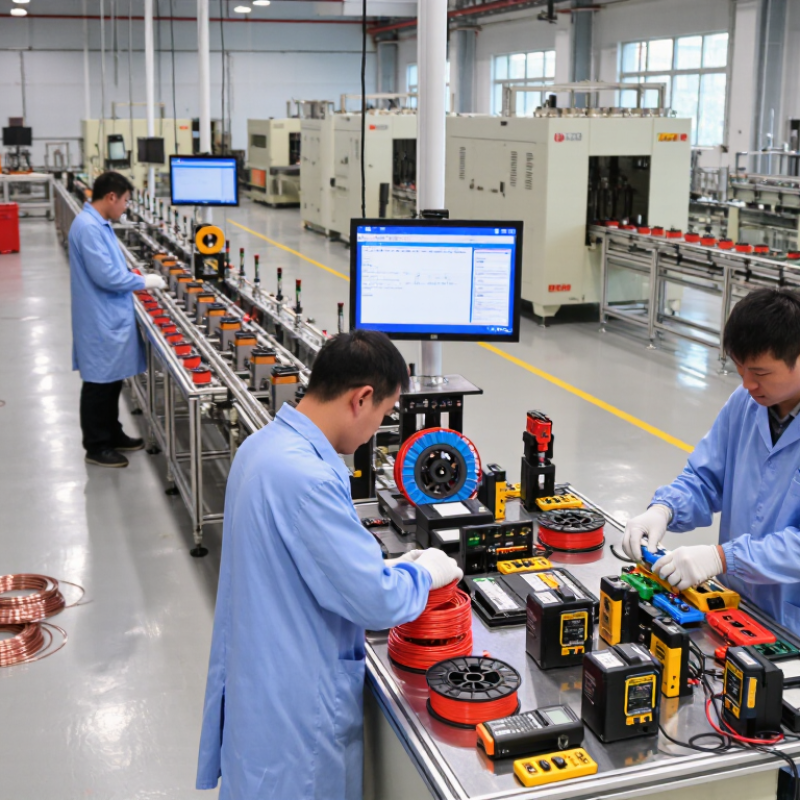
W. Edwards Deming, a respected quality-management expert whose principles influence wire-harness production, said, “Quality comes not from inspection, but from the improvement of the production process.” This idea is highly relevant when evaluating assembly wire suppliers. Ask whether the factory controls incoming materials, maintains calibrated testing equipment, and records production batches. Request sample assemblies, crimp pull-force results, continuity tests, and photographs of actual production lines. Certifications may support credibility, but certificates alone cannot prove consistent workmanship.

Experience also matters. A manufacturer serving automotive, industrial, medical, or consumer-electronics projects should explain its testing requirements clearly. It should discuss tolerances without hiding behind vague promises. Check communication speed, engineering support, packaging methods, and response quality after technical questions. Price still matters, but the lowest quotation may conceal weaker terminals, unstable insulation, or limited traceability.

No supplier is perfect. Online information can be incomplete. A polished website may show little about real production capacity. Therefore, compare evidence rather than appearances, and consider an independent factory audit when the application carries serious safety or performance consequences.
China Top Assembly Wire Manufacturers How to Choose?

What Are Assembly Wires and Why Do Manufacturers Matter?

Assembly wires are prepared conductors used to connect power, signals, and control systems. They may be cut, stripped, crimped, labeled, or grouped into harnesses. A finished assembly must fit precisely inside equipment, often within a narrow space.

Manufacturers matter because small process errors can create expensive failures. A loose crimp may increase resistance and generate heat. Poor insulation can crack during bending or temperature changes. The IPC/WHMA-A-620 standard identifies workmanship requirements for cable and wire harness assemblies, including crimping, soldering, routing, and inspection. These details are not cosmetic. They affect service life and safety.

Market data also shows why reliable production deserves attention. Grand View Research estimated the global automotive wiring harness market at about USD 46 billion in 2023, with continued growth expected through 2030. The report connects this growth with vehicle electrification and rising electronic content. In addition, MarketsandMarkets projected the global wire and cable market to reach over USD 250 billion by 2028. These figures suggest strong demand, but demand alone does not prove quality.

A capable manufacturer should provide material certificates, controlled drawings, batch traceability, and electrical test records. Ask how terminals are crimped and verified. Check pull-force testing, continuity testing, and insulation inspection. Factory photographs are useful, but controlled records are stronger evidence. A low quotation may look efficient. It may also conceal higher rejection costs later. No checklist is perfect; sampling and independent verification still matter.

China Top Assembly Wire Manufacturers: How to Choose?

Assembly wires connect and distribute electrical power or signals inside equipment. Conductor size, resistance, insulation quality, temperature rating, and production consistency are key factors when evaluating a manufacturer.

The chart shows the nominal resistance of annealed copper conductors at 20°C for common AWG sizes. Smaller AWG numbers indicate larger conductors and lower resistance. Values are based on standard AWG conductor dimensions and copper resistivity; actual assembly-wire performance also depends on strand construction, insulation, length, temperature, and manufacturing tolerances.

Key Standards for Evaluating Chinese Assembly Wire Manufacturers

Choosing a Chinese assembly wire manufacturer requires more than comparing unit prices. Evaluate process control, material evidence, testing discipline, and communication before discussing volume. These standards reveal whether a supplier can repeat quality under pressure.

Ask for a documented quality system, such as ISO 9001 certification, and verify its scope. Certification alone proves little. Review incoming material checks, crimp-height records, torque results, and final continuity tests. Request sample reports with dates, equipment numbers, acceptance limits, and responsible inspectors. Reliable manufacturers should explain conductor size, insulation type, temperature rating, and applicable standards clearly. Where relevant, compare production practices with IPC/WHMA-A-620 and confirm material compliance requirements for your market. Do not accept copied certificates or undated laboratory sheets.

Traceability matters when a connector fails months later. Each batch should link to material lots, operators, machines, and inspection records. Ask how nonconforming assemblies are isolated and corrected. A realistic supplier will admit limits. That answer is often more valuable than a perfect sales presentation. Visit the facility when possible, but remember that one clean day cannot represent every shift. Use a pilot order to test packaging, labeling, lead times, and change-control discipline. Communication also deserves measurement: record response times and technical accuracy. Some evaluations miss this human detail. Share controlled drawings and require written approval before any material or tooling change.

How to Compare Materials, Designs, and Manufacturing Capabilities

Choosing a capable Chinese assembly wire manufacturer requires more than comparing quotations. Study the conductor, insulation, terminals, and assembly method as one system. Fine-stranded copper bends easily, but it may need tighter crimp control. PVC can suit ordinary equipment, while silicone handles repeated movement and wider temperature swings. Confirm voltage, temperature, flexing, flame, and chemical requirements before requesting samples. A thicker cable is not automatically safer. Ask for cross-sectional drawings and material certificates. Then compare them against your application.

Design review should examine routing, bend radius, connector fit, labels, and strain relief. Request a sample built from the final drawing, not a convenient substitute. Check stripped lengths with calipers and inspect crimps under magnification. A pull test is useful, but it does not replace electrical testing. Measure continuity, insulation resistance, and contact stability across repeated movement. Small details matter. A loose label or uneven seal can create field failures. Some early samples look excellent and still reveal weak process control later.

Manufacturing capability is visible in records, not only in a factory tour. Ask how incoming materials are checked, how tools are calibrated, and how defects are traced. Reliable suppliers can explain batch control, operator training, inspection frequency, and corrective actions. Review production capacity against your forecast, including sudden demand changes. Low pricing may reflect efficient production, or missing controls. I have learned to question both extremes. A clear answer is evidence. Before approval, run a small pilot and record every deviation. That step costs time, but changing a harness after installation costs much more.

How to Assess Quality Control, Certifications, and Compliance

Choosing a China-based assembly wire manufacturer requires more than comparing prices. Quality control should be visible on the production floor. Ask for process records, inspection plans, and sample test reports. Check whether operators follow controlled work instructions. Wire stripping, crimp height, terminal position, and pull strength need measurable limits. Small errors can create intermittent failures later.

Traceability matters. Each batch should connect to material records, equipment settings, and inspection results. Review continuity testing, insulation resistance testing, and visual inspection methods. Ask how nonconforming assemblies are isolated and corrected. A polished certificate alone proves little. Confirm the certificate number, scope, issuing body, and validity directly. ISO 9001 can indicate a quality management system, but it does not guarantee every shipment is perfect.

Compliance must match your destination market and product application. Request material declarations for restricted substances, supported by current laboratory evidence. Check applicable electrical, environmental, and safety requirements before signing specifications. A responsible manufacturer should explain its testing frequency and change-control process. Do not rely only on factory photographs. An on-site or independent audit can reveal inconsistent labeling, poor storage, or rushed inspections. No audit is complete. Leave room for follow-up questions, because suppliers may provide correct documents but weak daily discipline.

China Top Assembly Wire Manufacturers How to Choose? - How to Assess Quality Control, Certifications, and Compliance

Assessment Dimension What to Check Recommended Evidence Practical Acceptance Benchmark Risk Level
Quality Management System Confirm whether the manufacturer operates a documented quality management system covering purchasing, production, inspection, traceability, nonconforming products, and corrective action. Current ISO 9001 certificate, certification scope, issuing body, validity dates, audit status, and controlled quality procedures. Certificate is current, applies to the actual production site, and covers wire harness or cable assembly activities where applicable. High
Automotive Quality Capability For automotive applications, evaluate process control, product safety, change management, traceability, and customer-specific requirements. Valid IATF 16949 certificate, process audit records, control plans, FMEA documents, and evidence of automotive project experience without relying only on marketing claims. IATF 16949 certification should be verified for the relevant manufacturing location and scope; otherwise require a documented gap assessment. High
Raw Material Control Review control of copper, aluminum, insulation, terminals, seals, connectors, shielding materials, and other purchased components. Approved supplier list, incoming inspection records, material certificates, conductor resistance data, and batch or lot identification. Materials match the approved bill of materials and specifications; every critical lot can be traced to a supplier and inspection record. High
Engineering and Drawing Control Assess how the supplier manages drawings, revisions, specifications, approved deviations, and engineering changes. Revision-controlled drawings, engineering change notices, sample approval records, and documented customer sign-off procedures. No production should use obsolete drawings; changes must be reviewed, approved, dated, and traceable to affected lots. High
Crimping and Termination Quality Check crimp height, crimp width, pull-out force, conductor brush, insulation support, terminal position, and damage prevention. Crimp force monitoring, pull-force test results, calibrated measurement tools, first-piece approval, and periodic cross-section analysis. Test limits are defined by the terminal or customer specification; results are recorded by tooling, operator, machine, and production lot. High
Electrical Testing Verify continuity, short circuit, resistance, polarity, insulation resistance, and dielectric withstand where required by the design. Automated test-program records, test fixture verification, calibration certificates, defect logs, and retained test data. Every finished assembly receives the tests defined in the approved specification, with automatic failure prevention and controlled retest rules. High
Mechanical and Environmental Testing Evaluate vibration, bending, tensile strength, temperature cycling, humidity, water ingress, abrasion, and chemical resistance according to the application. Type-test reports from competent laboratories, customer-approved validation plans, and test conditions linked to the product revision. Tests reflect the intended operating environment and applicable product standards; failures have documented corrective actions. Medium–High
Product Safety Certifications Determine whether the wire, cable, terminals, or assembly requires a recognized safety certification for the destination market or end-use application. Applicable certification file, certification number, authorized component list, marking requirements, and evidence that the exact construction is covered. Certification must apply to the specific product construction and intended use; a general factory certificate is not a substitute for product approval. High
RoHS and REACH Compliance Check restrictions on hazardous substances and communication of substances of very high concern where required for the destination market. Supplier declarations, material composition data, laboratory test reports, and a process for monitoring regulatory updates. Documentation covers all materials and components in the supplied assembly and is updated after material or regulatory changes. High
Environmental Management Assess management of waste, chemicals, energy use, emissions, and environmental legal obligations. ISO 14001 certificate where relevant, environmental permits, waste records, chemical handling procedures, and audit findings. Environmental certification should be verified for the actual site; all required permits and waste-disposal records should be current. Medium
Process Inspection and SPC Review inspection frequency and statistical monitoring for stripping, cutting, crimping, soldering, ultrasonic welding, labeling, and assembly. Control plans, inspection instructions, capability studies, SPC charts, sampling plans, and records of corrective action. Critical characteristics have defined limits, measurement methods, reaction plans, and records demonstrating stable process performance. High
Calibration and Measurement Systems Confirm that electrical testers, crimp inspection tools, gauges, torque tools, and laboratory equipment are suitable and controlled. Calibration certificates traceable to recognized standards, equipment identification, due dates, and measurement-system analysis where necessary. No expired equipment is used for acceptance decisions; out-of-tolerance findings trigger product impact evaluation. High
Traceability and Record Retention Evaluate traceability from finished assembly to materials, operators, machines, tooling, test results, and shipping records. Lot codes, barcode records, traveler documents, electronic production history, retention policy, and sample retrieval demonstration. The supplier can identify affected lots quickly and retain records for the period specified by the contract or applicable industry requirements. High
Nonconformance and Corrective Action Assess how defects are contained, analyzed, corrected, and prevented from recurring. 8D or equivalent reports, root-cause analysis, containment records, effectiveness checks, and historical defect trends. Corrective actions address systemic causes, include objective evidence, and are closed within agreed response times. High
Factory Audit and Production Capacity Verify the actual manufacturing site, equipment, staffing, production flow, capacity, subcontracting controls, and ability to support forecast demand. On-site or remote audit, capacity calculation, equipment list, production records, maintenance plan, and approved subcontractor information. The factory demonstrates sufficient capacity with documented contingency plans and does not transfer production without prior approval. Medium–High
Final Supplier Selection Use a weighted evaluation rather than selecting solely on price, lead time, or certification count. Completed audit checklist, sample approval results, quotation comparison, risk assessment, and signed quality agreement. Prioritize verified process capability, product compliance, traceability, consistent samples, transparent communication, and total cost of ownership. Controlled

How to Select the Best Manufacturer for Your Project Needs

China Top Assembly Wire Manufacturers: How to Choose?

Selecting the right assembly wire manufacturer starts with your project requirements. Define conductor material, insulation type, gauge, length, terminals, operating temperature, and expected service life. A clear drawing prevents costly assumptions. Ask whether the manufacturer can produce samples before mass production. Inspect crimp quality, pull strength, continuity, insulation resistance, and labeling. Small details matter.

A reliable supplier should explain its process, not only provide a low quotation. Request evidence of incoming-material checks, production inspections, final testing, and batch traceability. Review equipment maintenance and operator training records when possible. Factory experience is valuable, but relevant experience matters more. A supplier making household cables may not understand your industrial assembly needs. Check production capacity against your forecast, including peak-order periods. Ask about tooling ownership, minimum quantities, lead times, and engineering support.

Communication often reveals operational maturity. Can the team understand a marked-up drawing and return a practical clarification? Do they report defects openly? Do they provide corrective-action records? These answers deserve attention. A cheaper offer may hide weak testing or unstable materials. I have seen projects focus too heavily on unit price. That approach can fail later. Compare total cost, consistency, delivery risk, and after-sales response. Before approval, order a pilot batch and test it under real conditions. Leave room for doubt. Specifications sometimes miss vibration, bending, or installation stress. A thoughtful manufacturer will help expose those gaps.

Go to Top