How to Choose Wear Resistant Solid Wheels for Your Needs?
Choosing the right wheels for your industrial applications can be daunting. Wear Resistant Solid Wheels are an excellent option for environments requiring durability. These wheels resist damage from heavy loads and rough surfaces. They offer stability and long service life, making them a reliable choice.
When selecting Wear Resistant Solid Wheels, consider the specific conditions they will face. Think about the load capacity, surface type, and environmental factors. Not all wheels can withstand harsh conditions equally. It’s essential to assess the performance needs before making a decision. Manufacturers often provide technical specifications, which can help guide your choice.
Moreover, reliable sourcing is crucial. Look for trusted suppliers who specialize in industrial wheels. Check reviews and ratings to confirm their reputation. Engaging with industry experts can provide insights that enhance your selection. Ultimately, the right Wear Resistant Solid Wheels will improve efficiency and reduce costs in the long run. Consider experimenting with different options to see what works best for your unique needs.
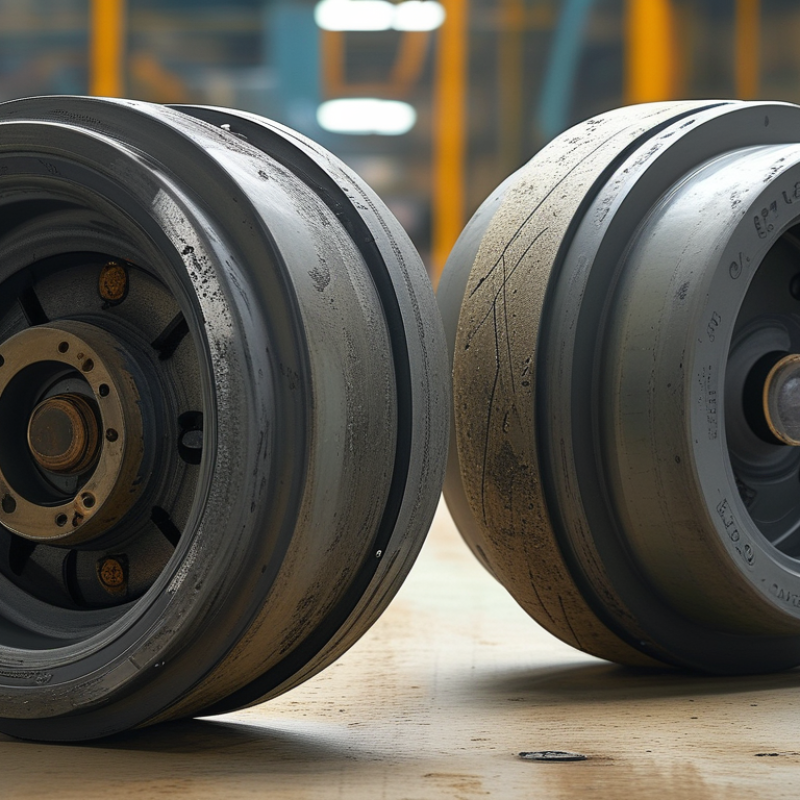
Understanding the Importance of Wear Resistance in Solid Wheels
Wear resistance is a crucial aspect when selecting solid wheels for various applications. The materials used to manufacture these wheels significantly impact their durability. Higher wear resistance indicates a longer lifespan, which translates to less frequent replacements. This is particularly important in industrial settings where downtime can be costly.
The right wear-resistant wheel should withstand specific working conditions. Factors like surface texture, load capacity, and environment play pivotal roles. Wheels exposed to abrasive surfaces require different materials than those on smooth floors. A thorough understanding of operational requirements is essential. It's vital to reflect on the conditions: will the wheels encounter heat, moisture, or heavy loads? Each scenario demands specific wheel characteristics.
Choosing wear-resistant wheels involves balancing performance and cost. Opting for cheaper materials may seem appealing but could lead to frequent replacements. This reflects a broader consideration: sustainability and resource use. Investing in high-quality wheels might mean higher upfront costs, yet they can offer better value over time. Engage with industry experts or conduct thorough research to inform your choices.
Identifying Your Specific Application Requirements for Solid Wheels
Choosing the right Wear-Resistant Solid Wheels starts with understanding your application's specific requirements. Certain factors greatly impact performance and longevity. According to industry reports, the wheel material should match the environment it operates in. Environments with high heat or corrosive elements require specialized materials like polyurethane or thermoplastic elastomers. These materials can withstand significant stress and wear, often extending the life of the wheels by 30% compared to standard options.
Load capacity is another critical aspect. Different applications have varying load demands. A 2022 report indicated that about 25% of wheel failures stem from exceeding load limits. It's essential to accurately determine the weight and frequency of use. For instance, wheels used in heavy machinery must embody robust design features. Miscalculating these needs can lead to costly downtime or equipment damage.
Consideration of surface type is also important. Wheels need to glide smoothly on their intended surfaces, whether rough or smooth. Performance can vary significantly, impacting productivity. Analytical data shows that the right wheel for the surface type can enhance efficiency by over 15%. However, analyzing all these factors thoroughly may be labor-intensive and sometimes miscalculated, leading to choices that don't fully meet operational demands. Balancing all these elements requires careful thinking and often sheds light on areas for improvement.
Evaluating Different Materials for Durability and Performance
Choosing the right wear-resistant solid wheels hinges on material evaluation. Different materials impact durability and performance significantly. Polyurethane wheels, for example, are known for their high abrasion resistance. A recent study from the American Society of Mechanical Engineers indicates that polyurethane can last up to four times longer than rubber in industrial settings. This makes it ideal for applications in warehouses and manufacturing facilities.
Another material option is nylon, which offers lower moisture absorption than other plastics. This property helps maintain wheel integrity in wet environments. According to a report from the National Material Technology Institute, nylon wheels can support heavier loads without deforming, increasing overall efficiency. However, they might not withstand extreme temperatures as well as polyurethane or rubber.
When evaluating material choices, consider load capacity and environmental conditions. Not every material suits every application. Reflect on the specific requirements of your operation. For maximum performance, it's crucial to weigh the pros and cons of each material. Prioritize durability that aligns with your needs.
Analyzing Wheel Size and Load Capacity Considerations
When selecting wear-resistant solid wheels, it is crucial to analyze wheel size and load capacity based on your specific requirements. According to industry research, wheel diameter influences both stability and maneuverability. Larger wheels can roll over obstacles more easily, making them suitable for uneven surfaces. However, they may also increase the overall weight and affect handling. For instance, a wheel with a diameter of 8 inches might support loads up to 1,200 pounds, while a 12-inch wheel can handle more significant weight but requires more space for installation.
Load capacity is another critical factor in your decision-making process. Wheels are often rated by their load capacity at maximum operating conditions. For example, a commonly used solid wheel has a rated capacity of 750 pounds. Misestimating the load can lead to premature wear or failure, jeopardizing safety. You may need to consider additional factors like the weight distribution of the load. Unequal distribution can create stress points on the wheel, potentially leading to unexpected performance issues.
When evaluating your options, consult industry guidelines and manufacturer specifications. Data indicates that improper sizing and load misuse lead to increased maintenance costs. Neglecting these details can result in equipment downtime and decreased operational efficiency. Aim to balance the wheel size with the expected load, ensuring reliable performance in your specific application.
Comparing Cost and Quality Factors in Wear Resistant Wheels
When choosing wear-resistant solid wheels, both cost and quality play crucial roles. Quality materials can significantly affect durability. For instance, wheels made from high-grade polyurethane often provide better performance than lower-grade options. This leads to fewer replacements over time. Consumers should weigh the initial costs against long-term savings in maintenance and replacement.
It is essential to analyze the specifications of the wheels. Consider factors like load capacity and resistance to various chemicals. Sometimes, cheaper options may not withstand specific conditions. This could result in unexpected failures. Researching materials and their properties can help clarify which wheels will serve best in specific environments. Always question: is the lower price worth the potential risks?
Understanding the balance between cost and quality requires experience. Users should consult industry resources or seek expert opinions. Look for reviews that highlight the pros and cons of different types. It may take time to find the right fit. Gather information to avoid common pitfalls. The journey to an ideal wheel can be complex, but informed decisions yield the best results.