What is Crusher Wear Plates and How to Choose the Right One?
In the crushing industry, choosing the right Crusher Wear Plates can significantly impact equipment performance. Expert James Smith, a leading authority in this field, emphasizes, "Selecting the right wear plates is crucial to maximizing uptime and minimizing costs." This reflects the critical nature of wear plate selection.
Crusher Wear Plates play a vital role in protecting machinery from harsh operating conditions. They endure abrasive materials that can rapidly wear down equipment parts. Ensuring the right material and design can enhance both durability and efficiency. However, many operators overlook the specifics of wear plate selection. Misunderstandings abound in material types and applications.
The wrong choice can lead to frequent maintenance and unexpected downtime. Operators must consider their unique crushing application and material characteristics. Understanding these factors helps in making an informed choice. An informed selection process not only extends equipment life but also optimizes operational costs.
What Are Crusher Wear Plates?
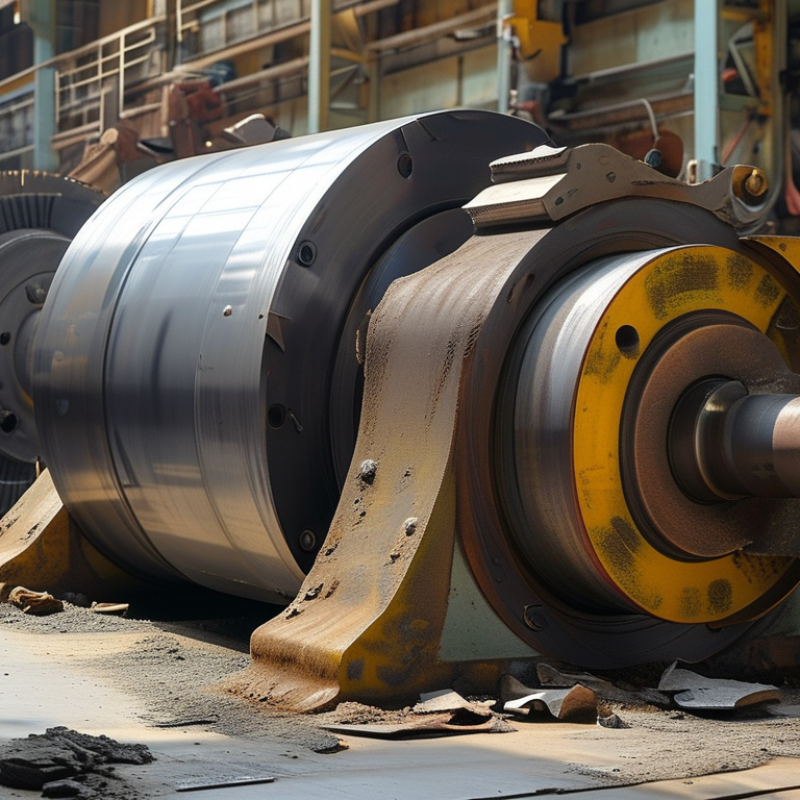
Crusher wear plates play a crucial role in various mining and aggregate industries. These components are designed to withstand the harsh conditions that crushers encounter. They protect the underlying machinery from heavy, abrasive materials. Typically made from high-strength steel or specialized alloys, wear plates are vital for ensuring optimal performance.
When selecting the right wear plates, factors like material composition and application should be considered. According to industry reports, wear plates can experience wear rates up to 25% in one month, depending on the material being processed. This statistic highlights the need for choosing durable and appropriate wear plates. Additionally, improper selection can lead to increased maintenance costs and breakdowns. Understanding the specific wear characteristics of different materials can aid decision-making.
Choosing a wear plate isn’t always straightforward. Misjudgments can lead to early failures or undesired wear patterns. For example, using a softer material for highly abrasive applications may result in rapid deterioration. Regular monitoring and evaluations are essential. Companies should rely on data-driven insights and field experiences to enhance wear plate longevity.
Types of Crusher Wear Plates and Their Applications
Crusher wear plates are critical components in the crushing process. They're designed to protect the crusher's frame and improve its efficiency. Various types of wear plates exist, each serving a specific purpose. Common materials include manganese steel, alloy steel, and ceramic compounds.
Manganese steel wear plates are known for their high impact strength. They perform well in applications where toughness is essential. According to the Mining and Quarrying report from 2022, manganese wear parts can exceed a lifespan of 2,000 hours under typical operational conditions. Alloy steel plates, on the other hand, offer good abrasion resistance. These plates are suitable for operations that involve heavy wear and erosion mechanics.
Ceramic wear plates provide an alternative approach. Their hardness makes them ideal for high-impact areas, but they can be brittle. A 2021 industry study highlighted a growing trend towards combining materials, like using ceramic composites within metallic frames. This approach aims to enhance both durability and weight distribution. Proper selection of wear plates depends on understanding the application and assessing the specific wear patterns that occur in your crushing setup. Each type of plate has strengths and limitations, requiring careful evaluation before making a choice.
Factors to Consider When Choosing Crusher Wear Plates
Choosing the right crusher wear plates is crucial for maximizing efficiency and minimizing downtime. Several factors affect this decision. First, consider the material composition of wear plates. Options include manganese steel, chrome steel, and ceramic compounds. Each material has distinct properties, impacting wear resistance and durability.
Another important factor is the application. Different crushers handle various materials. For instance, a primary crusher might require a different wear plate than a secondary crusher. According to industry reports, wear plate types can significantly affect performance. For example, using the wrong material can decrease service life by as much as 30%.
The specific conditions of your operation matter too. High-abrasive environments necessitate tougher plates. Inadequate selection can lead to frequent replacements, increasing operational costs. Pay attention to factors like impact and abrasive wear. Evaluate past performance data for better decision-making. These insights can guide you to choose wear plates that not only resist wear but also align with your operational needs.
How to Measure and Fit Crusher Wear Plates Properly
When selecting crusher wear plates, proper measurement and fitting are crucial. Accurate measurements ensure that wear plates align perfectly with the crusher’s geometry. Industry standards highlight that misfitting can reduce operational efficiency by up to 25%. This is a significant loss, especially in high-demand environments.
To measure wear plates accurately, utilize calipers and rulers. Measure the length, width, and thickness directly at the installation site. Variations can occur due to wear and tear. Ideally, measurements should be taken at multiple points to identify the best fit. Remember to account for any existing wear patterns, as worn edges can skew measurements.
Proper fitting extends the lifespan of wear plates. A snug fit minimizes gaps, preventing material from escaping during crushing. However, achieving this can sometimes be challenging. Fitting too tightly can lead to stress fractures. Conversely, a loose fit can cause uneven wear. It’s essential to find a balance. Regular inspections and adjustments based on wear patterns can significantly improve performance and reduce unexpected downtime.
Maintenance Tips for Extending the Life of Crusher Wear Plates
Crusher wear plates are essential components in the mining and aggregate industries. They often face wear and tear due to harsh conditions. Extending their lifespan is crucial for operational efficiency and cost-effectiveness. According to a recent industry report, properly maintained wear plates can enhance equipment lifespan by up to 30%.
Regular inspections are vital. Check for signs of wear or damage before equipment use. Set a schedule for these inspections to catch issues early. This proactive approach saves money on replacements. Additionally, consider the material type of the wear plates. High-quality materials are more durable, which can also lead to fewer breakdowns.
Proper installation is just as important. Ensure wear plates fit correctly during installation. Misalignment can lead to premature wear. Also, keep an eye on operating conditions. Excessive vibrations or incorrect loads impact wear plate longevity. Adjustments to operations can significantly improve performance. Engaging with a knowledgeable technician can provide valuable insights. Accurate data analysis can help in making informed decisions.