What is a Cylinder Ram and How Does it Work?
A Cylinder Ram plays a critical role in various industries, including construction and manufacturing. According to Dr. James Carter, a hydraulic systems engineer, “The efficiency of a Cylinder Ram often determines the success of heavy-duty projects.” This highlights its importance in applications where high force and precision are required.
Cylinder Rams operate by converting hydraulic pressure into linear motion. This mechanism enables them to lift, press, or shape materials with great accuracy. For instance, in metal fabrication, Cylinder Rams are essential for bending and cutting processes. They provide consistent pressure, ensuring that the final product meets stringent specifications.
Despite their effectiveness, the design and maintenance of Cylinder Rams can be challenging. Users must understand potential failure points to prevent costly downtime. Regular inspections and adjustments are crucial to maintain optimal performance. Overall, the Cylinder Ram's functionality underscores the need for expert knowledge and experience in its operation and upkeep.
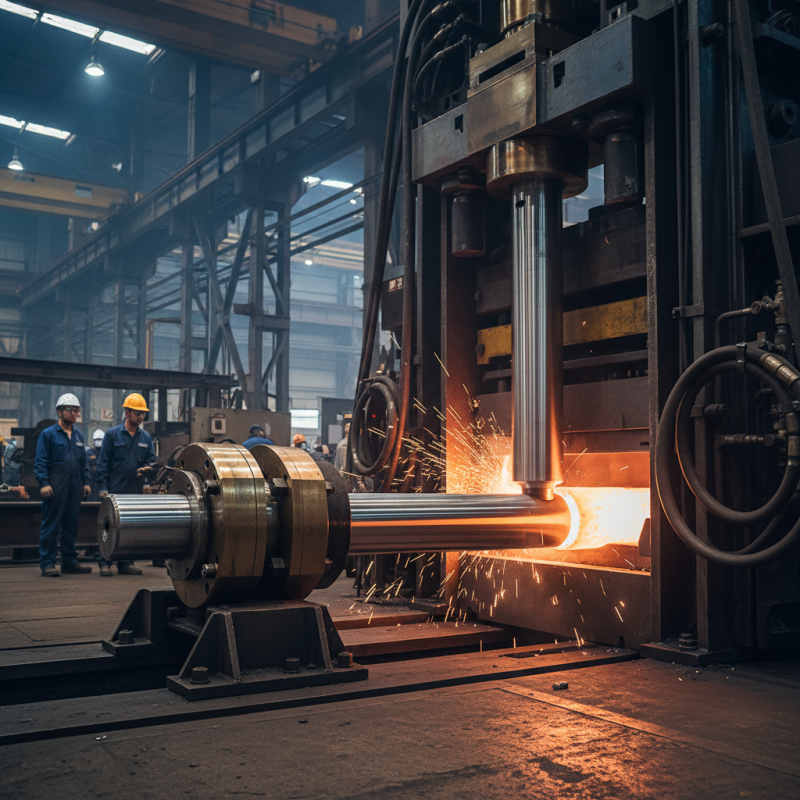
What is a Cylinder Ram: Definition and Overview
A cylinder ram is a crucial component in hydraulic systems. It converts hydraulic energy into linear force, which makes it essential in machinery applications. The design of a cylinder ram allows it to apply force efficiently, often used in construction and manufacturing. According to industry reports, the hydraulic cylinder market is projected to grow by 5.5% annually, underscoring its increasing significance.
The basic function of a cylinder ram involves inserting a piston into a cylindrical chamber filled with hydraulic fluid. As pressure builds up, the piston moves, generating force. This force can lift heavy loads or enable mechanical movement. It’s important to note that improper maintenance can lead to efficiency loss. Regular checks are essential for optimal operation, ensuring the system reaches its potential.
Manufacturers often face challenges in maximizing cylinder ram performance. Factors like fluid quality and environmental conditions can affect outcomes. Data suggest that about 30% of hydraulic systems experience performance issues due to neglect. This statistic highlights the need for careful monitoring. Continuous improvement in design and operation will remain essential for the industry's evolution.
What is a Cylinder Ram and How Does it Work?
| Feature | Description | Applications |
| Definition | A cylinder ram is a hydraulic actuator that converts hydraulic pressure into linear motion. | Used in construction equipment, automotive systems, and material handling. |
| Components | Includes a cylinder, piston, seals, and hydraulic fluid. | Found in dump trucks, forklifts, and excavators. |
| How it works | When hydraulic fluid enters the cylinder, it pushes the piston, causing linear movement. | Used for lifting, pushing, or pulling heavy loads. |
| Types | Single-acting and double-acting cylinders. | Utilized in different applications based on required force and motion. |
| Maintenance | Regular checks for leaks, fluid levels, and seal integrity are essential. | Crucial for the reliability and longevity of machinery using cylinder rams. |
The Components of a Cylinder Ram and Their Functions
A cylinder ram is a crucial component in hydraulic systems, widely used in various applications. Its design includes several key parts. The cylinder, or barrel, houses the piston, which plays a vital role in generating force. The piston moves within the cylinder, driven by hydraulic fluid. This movement converts hydraulic energy into mechanical force.
Another critical component is the seal, which prevents fluid leakage. Effective sealing allows for optimal pressure maintenance. The end caps secure the components in place and maintain structural integrity. A hydraulic port connects the ram to the fluid reservoir, enabling power transfer. Without these components, the ram would fail to function effectively.
Maintenance matters when using a cylinder ram. Over time, seals can wear down, leading to leaks. Regular inspections can help identify problems before they worsen. Understanding how each part works will enhance your usage and maintenance experience. Consider the interplay of these components; it's essential to grasp their functions for better operation. This knowledge is foundational in achieving reliability and performance in hydraulic systems.
Functionality of Cylinder Ram Components
This bar chart illustrates the functionality of various components of a cylinder ram, showcasing how each part contributes to the overall operation.
How Cylinder Rams Generate and Transmit Hydraulic Power
Cylinder rams play a critical role in hydraulic systems. They convert hydraulic pressure into linear motion. This conversion enables heavy machinery to perform essential tasks. According to a report from the International Fluid Power Society, hydraulic systems can achieve over 90% efficiency in energy transmission. This highlights the effectiveness of cylinder rams in various applications, including construction and manufacturing.
The working principle of cylinder rams involves fluid dynamics. Hydraulic oil enters the cylinder through an inlet valve. The pressure forces the piston to move, creating force output. This process allows machines to lift and push heavy loads with minimal effort. Data indicates that a typical hydraulic cylinder can produce forces exceeding 650,000 pounds. Such capabilities are impressive but also pose risks, such as hydraulic fluid leaks or cylinder bursts under extreme pressure.
While cylinder rams are efficient, their maintenance is often overlooked. Routine checks are vital to ensure seals are intact and fluids are clean. A study from the National Fluid Power Association reveals that preventive maintenance can extend the life of hydraulic systems by up to 50%. Ignoring these practices may lead to unexpected failures. Awareness of these issues is crucial for operators in all industries using hydraulic power.
Common Applications of Cylinder Rams in Various Industries
Cylinder rams are essential tools utilized in various industries. They play a crucial role in applications requiring force and precision. Construction, manufacturing, and automotive sectors frequently employ these devices for tasks like lifting, pushing, and compacting materials. Their versatility makes them invaluable in situations demanding heavy lifting while ensuring stability.
In construction, cylinder rams are often found in hydraulic jacks. These jacks assist workers in raising heavy beams or structures during assembly. They allow for controlled lifting, which enhances safety on job sites. In manufacturing, cylinder rams aid in the stamping process. They efficiently apply pressure to metal sheets, shaping them into desired forms. The precision they offer reduces material waste.
Automotive industries benefit from cylinder rams as well. They help in assembling vehicles by lifting parts into position. However, challenges can arise. Not all rams perform equally in intense conditions. Fatigue and wear can compromise their effectiveness. Regular maintenance is vital to retain their reliability over time. Understanding these nuances is essential for anyone relying on these machines for critical tasks.
Maintenance and Troubleshooting Tips for Cylinder Rams
Cylinder rams are vital components in various hydraulic applications. Proper maintenance ensures their effectiveness and longevity. Regular checks can prevent costly failures. According to a report by the International Fluid Power Society, improper maintenance accounts for up to 80% of hydraulic system failures.
Inspecting seals and fittings frequently is crucial. Damaged seals can lead to fluid leaks, affecting system pressure. A study from the Hydraulic Institute shows that 30% of downtime in hydraulic systems results from seal failures. Keeping components clean and free from contaminants can extend the life of cylinder rams significantly.
Operators should also monitor performance closely. Unusual noises or drifting can indicate trouble. Follow guidelines from industry standards to address these issues. Always document maintenance activities and findings. This practice helps identify patterns and recurring problems in cylinder performance. You’ll develop a better understanding of necessary adjustments or repairs.