Top Transport Vehicles Tips You Need to Know?
In the world of transport vehicles, expert insights can make all the difference. David Reynolds, a leading authority in logistics, once stated, "Knowing your transport options is vital for success." This wisdom rings true as we explore essential tips for navigating the complex landscape of transport vehicles.
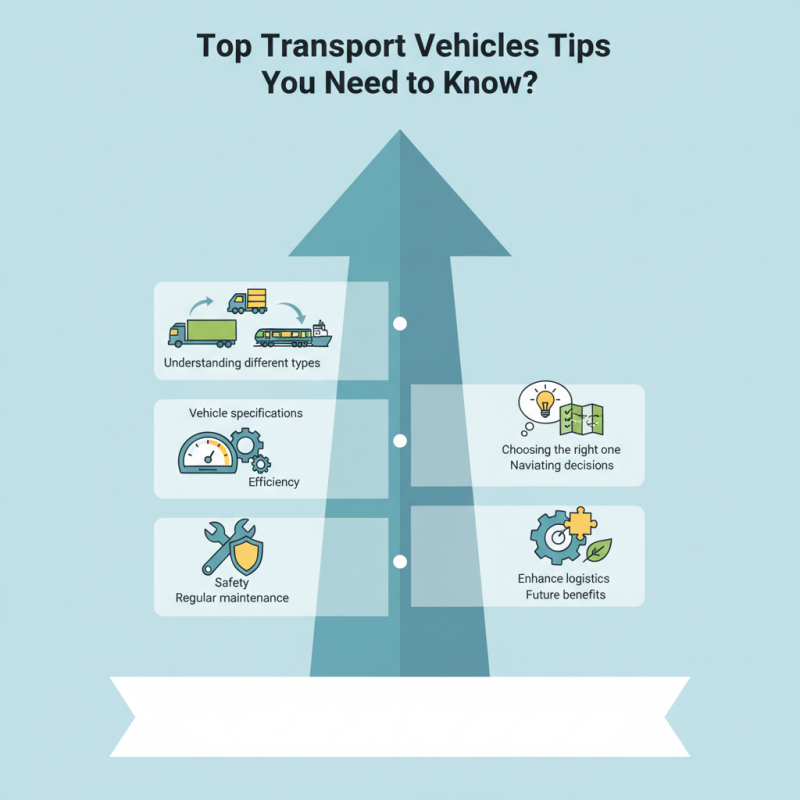
Understanding different types of transport vehicles is key. Each vehicle offers unique advantages. For instance, trucks provide flexibility, while trains ensure bulk transport efficiency. Yet, choosing the right one can pose challenges. Overlooking vehicle specifications leads to inefficiency.
Moreover, safety is paramount. Many overlook vehicle maintenance until it's too late. Regular checks can prevent costly accidents. Being informed helps you navigate these decisions. Transport vehicles play a critical role, and knowing how to leverage them can enhance logistics. Remember, the right choice today can yield benefits tomorrow.
Understanding Different Types of Transport Vehicles: A Comprehensive Guide
Transport vehicles come in various forms, each serving unique purposes. Understanding these types is crucial. For instance, road freight transport accounts for about 70% of total freight tonnage in many countries. This highlights the importance of trucks in the supply chain. They provide flexibility, allowing goods to reach remote areas. However, congestion and emissions are critical issues that need reflection.
Rail transport offers a different advantage. Studies show it can reduce greenhouse gas emissions by up to 75% compared to trucks. Trains can carry large quantities over vast distances efficiently. Yet, this mode is limited by fixed routes, which can restrict access to certain locations. Balancing efficiency and accessibility remains a challenge in this sector.
Then, there are taxis and ride-sharing services, offering convenience. A report indicated that urban ride-sharing services increased by over 30% in the past few years. While they offer quick transportation, they contribute to road congestion and higher emissions. The industry must contemplate sustainable solutions, especially as urban populations grow. Understanding these dynamics can guide better choices in transport vehicles.
Key Factors Influencing Transport Vehicle Efficiency and Performance
Efficiency in transport vehicles hinges on various critical factors. One major aspect is aerodynamics. Vehicles with sleek designs experience less air resistance. This can lead to improved fuel economy and better speed capabilities. Testing different shapes can reveal surprising performance differences.
Another element is the engine's type and tuning. A well-tuned engine performs significantly better than one that is neglected. Regular maintenance is key. Neglecting oil changes can decrease overall efficiency. Fuel quality also plays a role. Poor-quality fuel can cause rough idling and increased emissions.
Tire selection and pressure can also influence performance. The right tires reduce rolling resistance. Maintaining proper tire pressure is essential for optimum fuel efficiency. Many overlook this simple step. A slight change can lead to noticeable improvements. Each aspect requires careful consideration and occasional reevaluation.
Safety Standards and Regulations for Transport Vehicles You Must Know
When it comes to transport vehicles, safety is paramount. Every vehicle, whether it’s a truck, bus, or van, must meet specific safety standards. These standards ensure the safety of drivers, passengers, and those on the road. For instance, vehicles must have reliable braking systems, functioning lights, and sturdy tires. It’s crucial to regularly inspect these components to avoid unexpected failures.
Additionally, regulations vary by region. Some places require annual safety inspections, while others may have specific certifications for drivers. Understanding these regulations is necessary. Ignorance can lead to hefty fines or worse, accidents. Many drivers overlook the importance of keeping their vehicles up to date, putting everyone at risk.
Moreover, manufacturers often issue recalls for vehicles that don't meet safety standards. Staying informed about these recalls is your responsibility. Ignoring such notices can have serious consequences. Regularly checking for updates can help maintain safety on the road. Reflecting on these practices can lead to safer transport experiences for everyone involved.
Latest Innovations in Transport Vehicle Technology and Their Impacts
The world of transport vehicles is rapidly evolving. Innovations like electric engines are becoming more common. These vehicles generate less pollution, promoting cleaner air in cities. However, the infrastructure still struggles to keep up. Charging stations are not widespread enough, impacting usability.
Another trend is automation in transport. Self-driving technology aims to reduce accidents caused by human error. Yet, this brings new concerns. Issues of cybersecurity arise as these vehicles become more connected. They need robust systems to prevent hacking and ensure passenger safety.
Additionally, smart technology helps optimize routes. Traffic data can inform vehicle navigation, reducing travel times. But reliance on technology raises questions. What happens if systems fail? Overall, while advancements are promising, careful consideration of their implications is essential.
Cost Analysis: Evaluating the Expenses Associated with Transport Vehicles
When considering transport vehicles, cost analysis plays a crucial role. It is essential to evaluate all associated expenses. Purchase prices are just the beginning. Maintenance, fuel, and insurance costs often add up quickly. For instance, a vehicle may seem affordable initially, but repair expenses can significantly impact your budget.
Fuel efficiency is another critical factor. A vehicle that uses more fuel will cost you over time. Small changes in usage can lead to substantial differences in spend. Don't overlook potential hidden costs, like tolls and parking fees. These can sneak up on you and alter your financial plans.
Calculating depreciation offers insight too. A vehicle loses value over time, which can affect your overall investment. Monitoring resale value can indicate whether you made a wise purchase. Regularly reviewing these costs ensures that your transport vehicle remains a valuable asset. It's a lot to consider, but doing the math upfront can save headaches later.
Top Transport Vehicles Tips You Need to Know? - Cost Analysis: Evaluating the Expenses Associated with Transport Vehicles
| Vehicle Type | Purchase Cost (USD) | Annual Maintenance Cost (USD) | Fuel Efficiency (MPG) | Average Lifespan (Years) |
| Sedan | 25,000 | 1,200 | 30 | 10 |
| SUV | 35,000 | 1,500 | 25 | 12 |
| Pickup Truck | 30,000 | 1,800 | 20 | 15 |
| Minivan | 28,000 | 1,300 | 22 | 10 |
| Compact Car | 20,000 | 1,000 | 35 | 8 |