High Speed Conveyor Belt Tips for Efficient Material Handling?
In the rapidly evolving world of manufacturing and logistics, the use of High Speed Conveyor Belts has become critical. According to the Material Handling Industry of America (MHIA), companies can reduce material handling costs by up to 30% by implementing high-speed systems. These belts facilitate swift transport across various points. However, adopting new technologies often presents challenges that require careful consideration.
Industry expert Dr. Emily Hargrove emphasizes the importance of efficiency. She states, "High Speed Conveyor Belts can revolutionize your operations, but proper implementation is key." Her insights highlight a significant aspect—quick transport is not just about speed, but also about reliability and safety.
While many companies are eager to adopt high-speed options, it is essential to evaluate current workflows. An impulsive shift may lead to disruptions. For optimum results, businesses should integrate comprehensive training and maintenance protocols. Ultimately, understanding the nuances of High Speed Conveyor Belts will pave the way for enhanced material handling efficiency.
Understanding the Basics of High Speed Conveyor Belt Systems
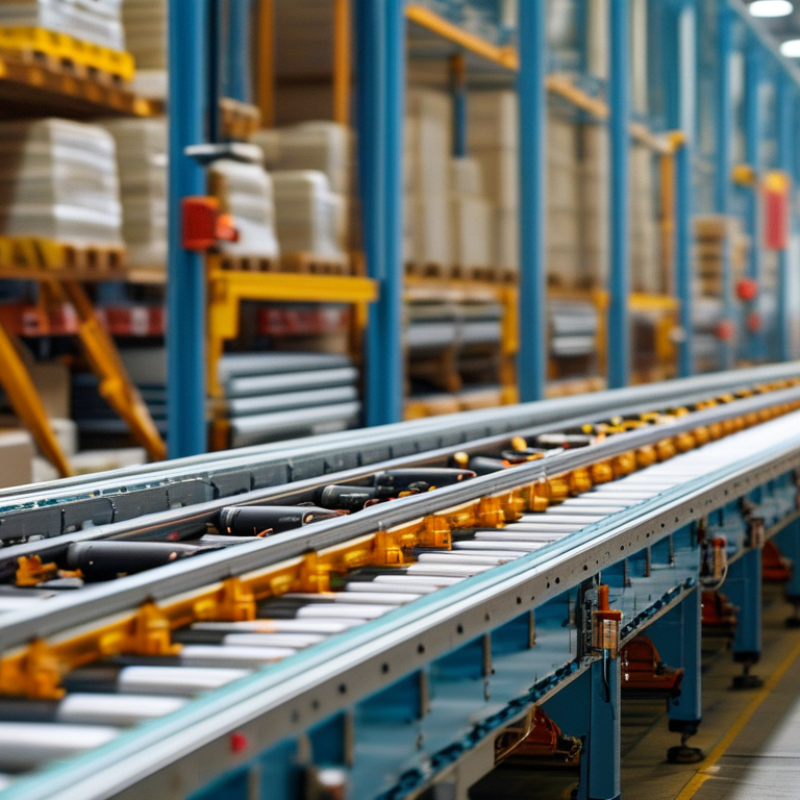
High-speed conveyor belt systems play a crucial role in modern material handling. Understanding their fundamentals can enhance efficiency. These systems often move goods at high speeds, greatly reducing transportation time. Components like rollers, pulleys, and belts all work in harmony. Proper alignment and maintenance are essential for peak performance.
When optimizing your conveyor system, consider these tips. Choose the right belt material for your application. Smooth, non-stick surfaces can prevent material buildup. Regularly inspect all moving parts. This helps identify potential issues before they become costly repairs. Keep the area around the conveyor clean to avoid accidents and ensure smooth operation.
Another important aspect is the system's layout. An effective design minimizes the distance materials travel. Integrate conveyors with other equipment to maximize workflow. Adjusting belt speeds according to the type of material can also improve efficiency. Remember, every conveyor system has its unique challenges and limitations. Reflecting on your operations will lead to continuous improvement.
Key Factors Influencing the Performance of Conveyor Belts
When evaluating conveyor belt performance, several key factors come into play. The design and materials of the belt are crucial. A belt made from the right materials will ensure durability and longevity. Different environments and materials require specific belt properties. For instance, if handling heavy loads, a thicker belt may be necessary.
Speed is another significant aspect. High-speed operation can enhance efficiency but may also lead to wear and tear over time. Operators must find a balance between speed and load capacity to optimize performance. Monitoring the tension of the belt is essential as well. Incorrect tension can undermine efficiency, leading to excess energy use.
Additionally, the maintenance schedule plays a vital role. Regular inspections can prevent unexpected breakdowns. Failure to address minor issues may lead to bigger problems down the line. Training personnel on proper handling and troubleshooting can enhance the overall effectiveness of the conveyor system, ensuring it operates smoothly for extended periods.
Best Practices for Maintaining Efficiency in Material Handling
Efficient material handling is crucial for any operation utilizing conveyor belts. To maintain high efficiency, regular maintenance is vital. Inspect the conveyor system frequently. Look for wear and tear on belts, pulleys, and motors. A minor issue can escalate, leading to costly downtime. Schedule routine checks to identify potential problems before they disrupt operations.
Employee training also plays a significant role in efficiency. Workers should understand best practices for using conveyor systems. They need to know how to load materials correctly and avoid overloading. Improper loading can lead to jams and delays. Periodically review safety protocols to prevent accidents. Ensure that everyone knows the emergency shutdown procedures. This knowledge can save time in critical situations.
Another consideration is the layout of the conveyor system. Optimize the path to minimize unnecessary curves and elevation changes. A streamlined path improves flow and reduces wear on the system. Consider the size and weight of materials being transported. Adjust the speed settings accordingly to match the demands of the operation. Fine-tuning these elements can lead to greater overall efficiency.
High Speed Conveyor Belt Efficiency Data
This chart illustrates key metrics affecting the efficiency of high-speed conveyor belts. A balance of speed, load capacity, and operational time is essential for optimal material handling. Reducing downtime also significantly enhances overall performance.
Common Challenges and Solutions in High Speed Conveyor Operations
High-speed conveyor systems can greatly enhance material handling efficiency. However, they come with their own set of challenges. One common issue is belt misalignment. This can cause unnecessary wear and tear. It may lead to production delays. Regular inspections and adjustments are crucial to avoid this problem.
Another challenge is the risk of product spillage. This often happens due to high speeds and slippery surfaces. Using containment guards can help mitigate spills. Another solution is to adjust the speed according to the material being transported. Operators should remain vigilant about changing conditions on the floor.
Power consumption is also a concern. High-speed operations can lead to significant energy costs. Implementing energy-efficient motors can help. Regular maintenance is vital to keep these systems running smoothly. A lack of proactive maintenance can increase the likelihood of unexpected breakdowns. Reflection on these issues can lead to long-term improvements in conveyor system performance.
Innovations in Conveyor Belt Technology for Enhanced Efficiency
Innovations in conveyor belt technology have drastically improved efficiency in material handling. According to a report from the Conveyor Equipment Manufacturers Association (CEMA), advancements in materials and design can reduce energy consumption by up to 30%. New polymer composites are lighter and more durable, allowing for faster transportation speeds. This means companies can move goods more quickly, enhancing overall productivity.
Automation is another key development. Smart conveyor systems now integrate sensors and AI. These systems can adapt in real-time, optimizing the flow of materials and minimizing bottlenecks. The results are impressive, with studies indicating that automated systems can increase throughput by 25%. Yet, human oversight remains essential. Over-reliance on technology can lead to maintenance lapses, which may cause unexpected downtimes.
Another area for reflection is the environmental impact of conveyor systems. Innovative designs focus on reducing waste and improving recyclability. However, many companies still face challenges in implementing these sustainable solutions. Investment in greener technologies often requires an upfront cost. Finding the balance between efficiency and sustainability continues to be a crucial conversation in the industry.
High Speed Conveyor Belt Tips for Efficient Material Handling
| Tip | Description | Benefit | Innovation Type |
| Use Modular Belts | Implement modular belts for easy maintenance and flexibility. | Reduced downtime and cost-effective repairs. | Modular Technology |
| Optimize Speed | Adjust belt speed according to material size and weight. | Improved efficiency and reduced wear. | Speed Management |
| Implement Sensors | Use sensors for real-time monitoring of belt performance. | Early detection of issues and increased safety. | Smart Technology |
| Regular Maintenance | Schedule frequent inspections and servicing. | Prolonged lifespan and reliability of the system. | Preventive Care |
| Use Lightweight Materials | Choose lightweight belt materials to reduce energy consumption. | Lower operational costs and increased speed. | Material Innovation |