Ultimate Guide to Industrial Network Switch Tips and Best Practices
In today's industrial landscape, the role of an industrial network switch cannot be overstated. As factories increasingly adopt automation, reliable networking becomes vital. Reports indicate that the global industrial Ethernet switch market will exceed $1 billion by 2025, reflecting rapid growth in this sector. Properly implemented industrial network switches can dramatically enhance data transmission speeds and connectivity.
Yet, many industries still grapple with the integration of these systems. Researchers found that nearly 30% of companies experience downtime due to network failures. This underlines the need for strategic considerations when choosing the right industrial network switch. Factors such as environmental resilience, management capabilities, and scalability must be taken into account. Understanding these elements can mitigate risks and enhance operational efficiency.
Attention to detail is crucial, as the wrong switch can lead to significant complications. Monitoring and managing your network effectively can provide valuable insights and improve reliability. Therefore, evaluating best practices in this field is essential to avoid costly pitfalls. Continuous learning and adaptation will shape the future of network infrastructure in industrial settings.
Understanding Industrial Network Switches: An Overview
Industrial network switches play a crucial role in maintaining connectivity in demanding environments. They are designed to withstand harsh conditions, ensuring reliable data transmission. According to recent reports, over 65% of industrial networks face downtime due to connectivity issues. Understanding how switches operate is essential.
One tip is to choose the right type of switch for your specific environment. Managed switches offer more control and monitoring capabilities. However, they can be more complex to configure. Unmanaged switches are simpler but lack advanced features. Assess your needs before making a decision.
Another consideration is redundancy. A single point of failure can lead to significant downtime. Implementing redundant switches can enhance network reliability. Reports suggest that companies with redundancy experience 30% less downtime. Regularly monitoring network performance can also reveal potential issues before they escalate. These practices ensure that your industrial network runs smoothly, but it’s important to continually evaluate your setup.
Key Features of Industrial Network Switches to Consider
When selecting an industrial network switch, certain key features are crucial. Reliability is paramount. These devices must withstand harsh environments, including extreme temperatures and vibrations. However, not all switches perform equally under pressure. Testing them under real-life conditions can help avoid unexpected failures.
Another significant feature is the number of ports available. More ports allow for better connectivity. However, having too many can lead to confusion and mismanagement. It's essential to balance the need for connectivity with ease of use. People often overlook this aspect, leading to network congestion.
For optimal performance, consider switch redundancy. This keeps the network running smoothly during failures. It’s also wise to implement regular firmware updates. Outdated firmware can lead to security vulnerabilities. Regular checks and updates are often neglected. Ignoring this can expose your network to potential risks. Stay vigilant to ensure a secure and efficient industrial network.
Best Practices for Installing Industrial Network Switches
When installing industrial network switches, the environment plays a critical role. Ensure that the switches are placed away from direct sunlight and heat sources. This helps protect the devices from overheating. Also, consider moisture levels. High humidity can lead to equipment failure. Use protective enclosures when necessary.
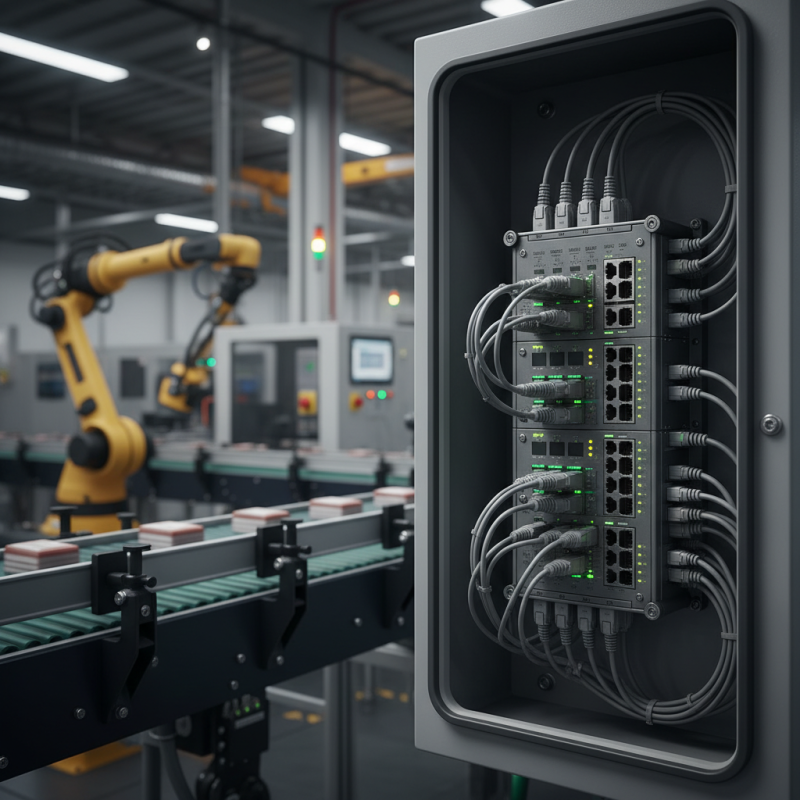
Cable management is another essential aspect. Neat and organized cables help avoid tangling and make maintenance easier. Label each cable for quick identification. Over time, cables might wear out or become damaged. Regular inspections can prevent unexpected downtime.
Power supply is vital for uninterrupted service. Choose a reliable power source with backup options. Consider using uninterruptible power supplies (UPS) for critical applications. It is easy to overlook power fluctuations. These can damage sensitive equipment. Implement monitoring systems to catch issues early.
Common Troubleshooting Tips for Network Switch Issues
Network switches are vital for seamless connections in industrial settings. However, issues can arise, leading to inefficiencies. One common problem is a switch not communicating with connected devices. Check cable connections and ensure they are securely plugged in. A loose cable can disrupt data flow and cause unexpected downtime.
Another typical issue is slow network performance. This can stem from overloaded switches. Analyze traffic patterns and consider segmenting your network. If congestion remains high, it might be time to upgrade to a higher-capacity switch. Keep in mind that improper configuration can also lead to performance lags. Review settings regularly and ensure they align with network needs.
Lastly, power issues can affect switch functionality. Ensure that power sources are reliable and backup options are available. Sometimes the solution is as simple as rebooting the switch. However, if problems persist, investigate deeper. Regular monitoring and maintenance will help identify issues before they escalate. Understanding these common troubleshooting tips can make a significant difference in network stability.
Network Switch Issues: Common Troubleshooting Instances
Future Trends in Industrial Networking and Switch Technology
Future trends in industrial networking and switch technology point towards greater efficiency and adaptability. As IoT devices become more prevalent, networks must support increased data traffic. This requires improved bandwidth management and low-latency processing. Emerging technologies like 5G promise faster communication but also bring challenges in integration. The shift to cloud-based solutions is significant too.
Security remains a critical concern. As networks expand, vulnerabilities increase. Enhanced cybersecurity measures must be prioritized to protect critical infrastructure. This includes more stringent access controls. However, implementing these standards while ensuring seamless connectivity can be complex. Many organizations struggle to find the right balance between security and performance.
Moreover, edge computing is gaining traction. Processing data closer to where it’s generated reduces latency. It also alleviates the burden on centralized servers. Yet, this requires a rethink of existing network architectures. Some companies may find it difficult to adjust to these rapid changes. Acknowledging these challenges is essential for long-term success.
Ultimate Guide to Industrial Network Switch Tips and Best Practices
| Aspect | Description | Best Practices | Future Trends |
| Network Reliability | Ensuring continuous operation of the network to prevent downtime. | Implement redundancy and regular maintenance checks. | Increased use of AI for predictive maintenance. |
| Security | Protecting networked devices from cyber threats. | Deploy firewalls and consistent security audits. | Adoption of zero trust architecture. |
| Scalability | Capacity to grow with increasing data and device numbers. | Choose switches that can support modular expansions. | Greater adoption of cloud-based solutions. |
| Interoperability | Ability for devices from different manufacturers to work together. | Utilize common protocols and standards. | Integration of IoT devices for better communication. |
| Management Tools | Software for monitoring and configuring network devices. | Employ centralized network management solutions. | Increased use of AI and machine learning for network management. |