Why Do You Need an Electronic Voltage Stabilizer for Your Business?
In today's fast-paced business environment, stability is critical. One often overlooked component is the Electronic Voltage Stabilizer. According to a 2022 report from the International Energy Agency, voltage fluctuations can cause equipment failure and downtime, leading to significant financial losses. Industries that rely heavily on electrical equipment, such as manufacturing and IT, can experience up to 30% of their total operational costs due to poor voltage regulation.
An Electronic Voltage Stabilizer ensures that machinery receives a consistent voltage supply. This reliability protects against power surges, which can damage sensitive devices. The National Institute of Standards and Technology has found that nearly 80% of electrical issues stem from fluctuating voltage. This highlights the importance of integrating stabilizers into your power management strategy.
Businesses underestimating the impact of voltage fluctuations may find themselves facing unexpected repairs and reduced efficiency. Investing in an Electronic Voltage Stabilizer is a proactive step towards operational continuity. It not only safeguards equipment but also contributes to overall energy efficiency, a key factor in today's competitive landscape. Making the right choice can lead to cost savings and enhanced performance.
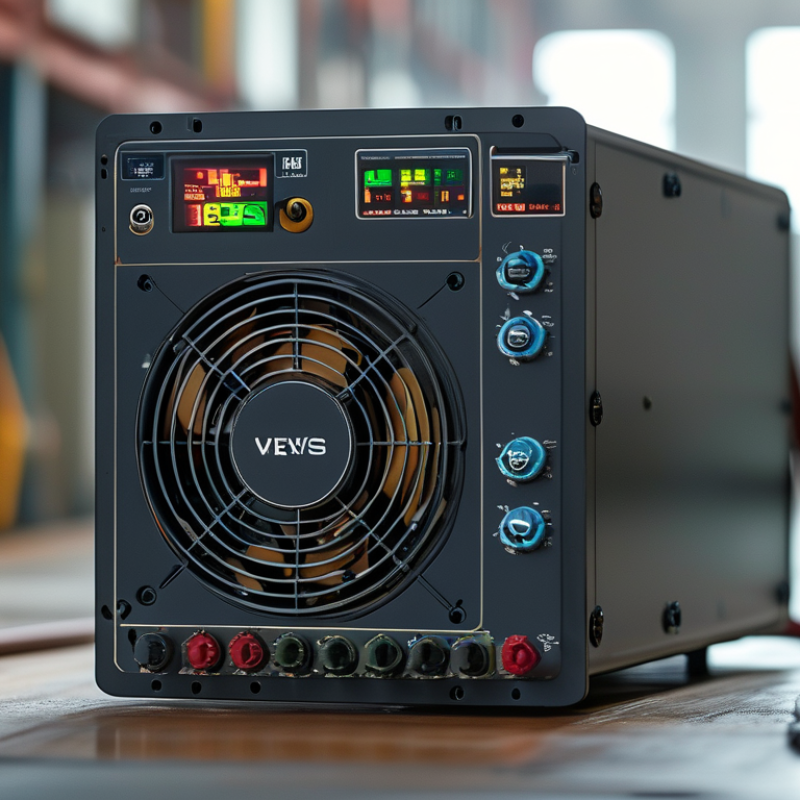
The Importance of Voltage Stability in Modern Businesses
In today's fast-paced business environment, voltage stability is crucial. Fluctuations in voltage can disrupt operations, leading to equipment damage and financial losses. A steady supply of electricity ensures that machines run smoothly, which is a necessity for productivity. Many companies overlook this aspect, assuming that power will always be stable. Unfortunately, this assumption can lead to costly mistakes.
Investing in an electronic voltage stabilizer can safeguard your equipment. It stabilizes the voltage levels, preventing sudden surges or drops in power. This protection is especially vital for sensitive electronics, which may easily fail when exposed to inconsistent voltage. Regular monitoring of voltage levels can also help detect potential issues early.
Tips: Consider scheduling routine checks of your voltage stabilizer. A malfunctioning device might go unnoticed until it’s too late. Also, educate your staff about the importance of voltage stability. Awareness can prevent unnecessary downtime. Finally, keep track of any anomalies in power supply. This information can be invaluable in preventing future problems.
Why Do You Need an Electronic Voltage Stabilizer for Your Business? - The Importance of Voltage Stability in Modern Businesses
| Aspect | Description | Impact on Business |
| Voltage Fluctuations | Variations in voltage levels that can affect equipment performance. | May lead to equipment malfunctions and increased downtime. |
| Electrical Equipment Lifespan | Consistent voltage levels help prolong the life of electronic devices. | Reduces replacement costs and maintenance efforts. |
| Operational Efficiency | Stable voltage ensures equipment operates at optimal levels. | Enhances productivity and reduces operational costs. |
| Power Surge Protection | Volt stabilizers protect against sudden increases in voltage. | Minimizes risk of damaged equipment from surges. |
| Data Integrity | Ensures electrical consistency for data-sensitive operations. | Protects against data loss and corruption issues. |
Key Statistics on Power Quality Issues Affecting Businesses
Power quality issues can significantly impact businesses. The Institute of Electrical and Electronics Engineers (IEEE) reported that 53% of businesses experience voltage sags every year. These fluctuations can lead to equipment failure, downtime, and lost revenue. In fact, the cost of power quality issues is estimated to be over $150 billion annually for U.S. businesses alone.
Electronic voltage stabilizers help mitigate these risks. They provide a steady voltage output, protecting equipment from the consequences of poor power quality. A recent study by the Electrical Power Research Institute found that unstable voltage can decrease equipment lifespan by up to 30%. This can result in unexpected repair costs and operational delays, affecting productivity.
Tips: Regularly assess your power quality. Understand your voltage levels and monitor your equipment's performance. Consider investing in voltage stabilizers to safeguard your operations. Creating a maintenance schedule for electrical systems can also prevent unexpected failures. Planning ahead is crucial to maintaining consistent power and protecting your business's bottom line.
How Electronic Voltage Stabilizers Reduce Operational Downtime
In today's digital landscape, businesses rely heavily on electronic devices. Power interruptions or fluctuations can lead to significant operational downtime. This is where electronic voltage stabilizers play a crucial role. These devices help maintain a steady voltage level, ensuring that equipment operates efficiently, even during electrical disturbances.
When voltage levels fluctuate, sensitive equipment may malfunction or suffer damage. Downtime can result in lost revenue and decreased productivity. By installing an electronic voltage stabilizer, you can mitigate these risks. These devices continuously monitor and adjust voltage levels, providing a stable power supply. They can prevent technical glitches and enhance equipment lifespan.
Tips: Regular maintenance of voltage stabilizers is vital. Periodic checks will ensure they remain in optimal condition. Consider investing in quality stabilizers suited to your business needs. Also, educate employees about the importance of stable power supply to minimize reliance on backup systems. With proper measures, you can significantly reduce the operational downtime that affects business continuity.
Cost-Benefit Analysis: Investing in Voltage Stabilization Solutions
Investing in an electronic voltage stabilizer can lead to significant cost savings for your business. Voltage fluctuations can damage sensitive equipment, leading to costly repairs and downtime. By stabilizing voltage, you protect your machinery, ensuring smooth operations and reducing operational disruptions. This stability translates into lower maintenance costs over time.
The initial investment may seem high, but consider the potential losses from equipment failure. For instance, a damaged computer system can halt productivity for days. In contrast, a voltage stabilizer acts as a preventive measure. It balances out irregular power supply, safeguarding your assets. The savings accrued from avoiding repairs and replacements can quickly offset the stabilizer's cost.
Many businesses overlook this critical component. They might focus on immediate expenses rather than long-term savings. This oversight can lead to financial strain. Reflect on your current power management strategy. Is it robust enough? An electronic voltage stabilizer could be the solution you need.
Case Studies: Successful Implementation of Voltage Stabilizers in Industry
Voltage stabilizers have shown significant benefits across various industries. For instance, one case study from a manufacturing plant highlighted how voltage fluctuations led to unreliable machinery performance. After implementing an electronic voltage stabilizer, the plant experienced a 30% increase in production efficiency. This change not only reduced downtime but also improved product quality.
In another example, a healthcare facility faced frequent power surges that could jeopardize sensitive medical equipment. The installation of a voltage stabilizer ensured that critical systems operated smoothly, even during electrical disturbances. This added layer of protection reinforced the facility's commitment to patient care.
Tip: Regular maintenance of voltage stabilizers is essential. Check connections often. Keep the device clean and dust-free.
Understanding specific operational needs is vital. Not every business requires the same level of voltage stabilization. Assess your equipment and power supply. This reflection helps tailor solutions for optimal performance.
Tip: Consider consulting with an electrical engineer. Their expertise can help select the best stabilizer for your requirements.