2025 Guide: How to Optimize Wire Harness Assembly for Maximum Efficiency
In the rapidly evolving landscape of manufacturing, the efficiency of wire harness assembly has emerged as a critical factor in ensuring the success of various industries. As technology advances, the demand for high-quality, customizable wire harness solutions continues to rise, prompting manufacturers to optimize their assembly processes. This guide aims to equip industry professionals with actionable strategies to enhance productivity, reduce waste, and streamline operations in wire harness assembly.
Maximizing efficiency in wire harness assembly not only improves overall workflow but also contributes to cost savings and increased competitiveness in the market. From the careful selection of materials to the implementation of automation technologies, each aspect of the assembly process can be fine-tuned for better outcomes. By understanding key principles and best practices, manufacturers can create a robust framework that supports both current demands and future innovations.
As we delve into the essentials of optimizing wire harness assembly, we will explore the significance of effective planning, workforce training, and technological integration. This guide will serve as a comprehensive resource for those looking to elevate their assembly operations and set a new standard in efficiency and quality within the industry.

Understanding Wire Harness Assembly: The Basics and Importance
Wire harness assembly is a critical component in various industries, including automotive, aerospace, and electronics, serving as the nervous system that connects different electrical systems and components. The importance of understanding the basics of wire harness assembly cannot be overstated, as it directly impacts the efficiency, reliability, and safety of the final products. According to a report by Market Research Future, the global wire harness market is projected to reach a value of over $60 billion by 2025, highlighting the growing significance of this assembly in current manufacturing processes.
To maximize efficiency in wire harness assembly, companies must prioritize a streamlined approach that considers material selection, design intricacies, and manufacturing techniques. A well-designed wire harness can reduce installation time and minimize errors. For example, employing modular designs can enhance flexibility and allow for simpler upgrades, which is particularly valuable in fast-evolving sectors like technology.
**Tips:**
- Implement color coding and labeling for wires to simplify identification and assembly, reducing the chances of mistakes.
- Consider using automated assembly equipment, as it can increase precision and speed while lowering labor costs.
- Regularly train assembly personnel on the latest assembly techniques and technologies to foster an adaptable workforce, ensuring that they remain proficient in modern practices.
2025 Guide: How to Optimize Wire Harness Assembly for Maximum Efficiency
This bar chart illustrates the average time allocated to different stages of wire harness assembly, highlighting the importance of optimizing each phase for maximum efficiency in the process.
Key Factors Influencing Efficiency in Wire Harness Production
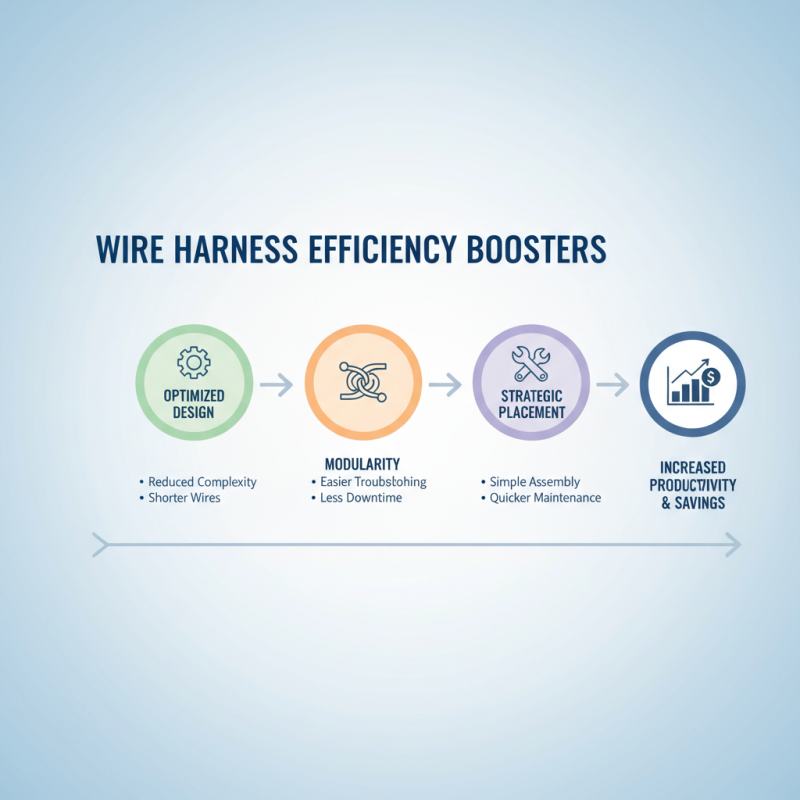
In the realm of wire harness production, several key factors significantly influence efficiency. One of the most critical elements is the design of the harness itself. An optimized design reduces complexity, minimizes the length of wires needed, and ensures that components are strategically placed for easy assembly. Additionally, incorporating modular designs allows for more straightforward troubleshooting and maintenance, which can lead to reduced downtime in the production process.
Another vital aspect is the selection and training of workforce personnel. Skilled workers equipped with the right tools and techniques can dramatically enhance productivity. Investing in training programs that focus on the latest assembly technologies and methodologies can streamline processes and improve quality control. Moreover, fostering a culture of continuous improvement encourages employees to suggest enhancements that can lead to significant efficiency gains in the workflow.
Finally, efficient production relies on robust inventory management and supply chain logistics. Ensuring that the necessary materials are readily available while minimizing excess stock can prevent delays and streamline operations. Implementing just-in-time inventory systems and automating ordering processes can further enhance efficiency, allowing manufacturers to respond quickly to changing production demands without compromising quality.
Data-Driven Techniques for Streamlining Assembly Processes
In the ever-evolving landscape of wire harness assembly, leveraging data-driven techniques stands out as a pivotal approach to optimizing efficiency. According to a recent industry report, companies that implement data analytics in their assembly processes can reduce production time by up to 30%. This significant reduction is often achieved through real-time monitoring and predictive maintenance, which help to identify bottlenecks before they become critical issues. By analyzing assembly line data, managers can make informed decisions that enhance workflow and resource allocation.
Tips for optimizing wire harness assembly include investing in training for your team on data interpretation tools. Empowering workers with the skills to analyze and act on data insights fosters a proactive work environment. Additionally, consider implementing automated systems that can provide accurate metrics on assembly times, error rates, and equipment performance. Research has shown that organizations that embrace automation can improve their operational efficiency by 25%, illustrating the profound impact technology can have on traditional assembly processes.
Moreover, integrating advanced software that tracks key performance indicators (KPIs) can illuminate areas for improvement. This method not only streamlines processes but also facilitates continuous improvement cycles. By regularly reviewing data analytics, manufacturers can stay agile and adapt to changes swiftly, paving the way for sustained productivity and innovation in wire harness assembly.
Industry Standards and Best Practices for Wire Harness Quality Control
Ensuring quality control in wire harness assembly is crucial for maintaining efficiency in manufacturing processes. According to a report by IPC – Association Connecting Electronics Industries, nearly 30% of production failures can be attributed to poor wiring quality. To address this, industries are adopting rigorous quality control standards that emphasize testing at key stages of assembly. The implementation of in-line testing methods, such as automated electrical testing, can significantly reduce error rates and enhance overall product reliability.
The industry best practices also highlight the importance of adhering to widely accepted standards, such as ISO 9001, which sets out the criteria for a quality management system. Compliance with these standards not only improves operational efficiency but also fosters customer trust. Furthermore, regular training for assembly personnel on the latest techniques and technologies is proven to minimize defects further. A study by the Automotive Service Association indicates that companies focusing on continuous education and process improvements can achieve a 15% reduction in assembly errors, thus maximizing the effectiveness of their wire harness operations. By integrating these practices, manufacturers can ensure superior product quality while maximizing efficiency in their wire harness assembly processes.
Emerging Technologies Enhancing Wire Harness Assembly Efficiency
Emerging technologies are playing a crucial role in enhancing wire harness assembly efficiency, driving improvements across various manufacturing sectors. According to a report by Allied Market Research, the global wire harness market was valued at approximately $60 billion in 2020 and is projected to reach $78 billion by 2027, driven largely by advancements in manufacturing processes. Automation tools such as robotic assembly systems are reducing labor costs and increasing production speeds. By integrating these automated solutions, manufacturers can achieve a typical efficiency gain of 30% in assembly time, while also minimizing human error.
Moreover, data analytics and the Internet of Things (IoT) have emerged as essential technologies in wire harness assembly. These innovations enable real-time monitoring and predictive maintenance of machinery, which helps to avoid downtime and enhance operational efficiency. Research from McKinsey indicates that manufacturers utilizing IoT can experience a productivity increase of 10-25%. Incorporating smart sensors into the production line allows for precise tracking of wire harness components, ensuring quality control and reducing waste. As these technologies evolve, they promise even greater enhancements in efficiency for wire harness assembly, aligning with the industry's rapid technological advancements.