What is a Plaster Saw and How to Use It Effectively?
A Plaster Saw is a specialized tool designed for cutting plasterboard and lath. It features a serrated edge that efficiently slices through these materials. Using a plaster saw effectively can save time and ensure precise cuts for any project.
When handling a plaster saw, it's essential to maintain a steady hand. Beginners may struggle with control, resulting in uneven edges. The right technique can make a huge difference. You need to practice on scrap pieces to build confidence.
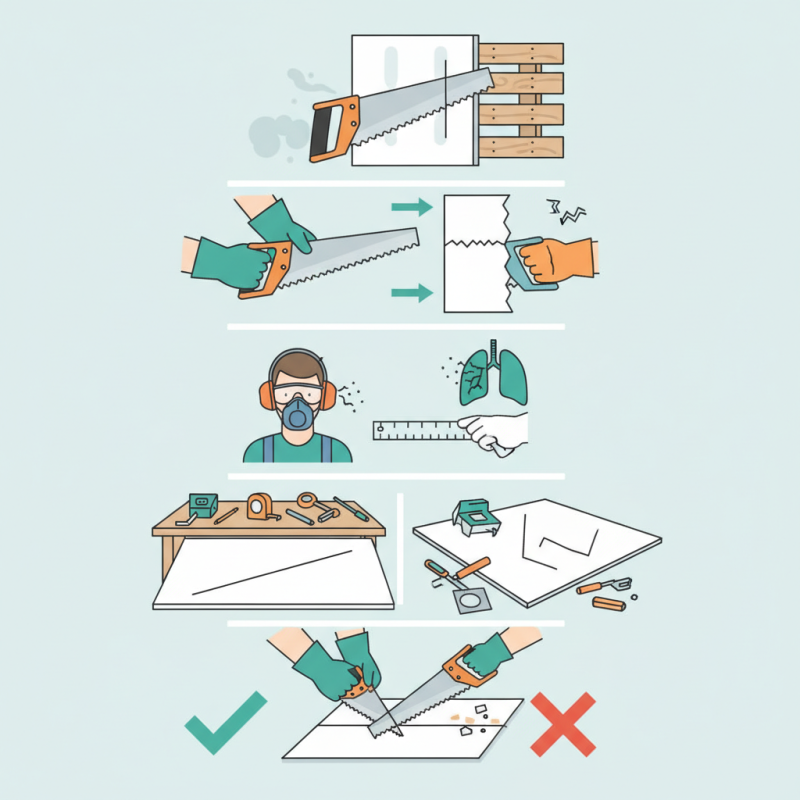
It's also important to wear safety gear while using a plaster saw. Dust can be a nuisance and may irritate your lungs. Even simple cuts require attention to detail. A focus on clean lines and straight cuts will yield the best results. Preparing your workspace is crucial. A cluttered area can lead to mistakes and accidents.
What is a Plaster Saw and Its Purpose in Construction?
A plaster saw is a specialized tool primarily used in construction. Its main purpose is to cut through plaster and drywall. This tool features a serrated blade, allowing for precise and clean cuts. Using a plaster saw effectively requires a steady hand and attention to detail.
When operating the saw, it’s important to align it properly. Misalignment can lead to jagged edges. This can create issues when fitting pieces together later. The technique matters too. A gentle sawing motion helps maintain control. Pressing too hard can damage the material.
Preparation is key before starting cuts. Wearing safety gear protects against dust and debris. Many forget this step. Taking time to measure accurately saves headaches later. But, even with preparation, mistakes can happen. A small slip can ruin a section. Reflection on one’s technique can improve future projects.
Key Features of a Plaster Saw: Design and Functionality
A plaster saw is an essential tool for cutting plaster materials with precision. Its design features a long, serrated blade that can easily penetrate through thick plaster layers. This allows for clean cuts, whether you're making straight lines or intricate shapes. The handle is typically ergonomic, providing a comfortable grip during extended use. Accurate handling is crucial, as uneven pressure can lead to jagged edges.
Using a plaster saw effectively involves a few key techniques. Start with a steady hand and clear visibility of your cutting line. Slow, consistent strokes yield better results than fast, haphazard movements. It's important to ensure the saw's blade maintains contact with the plaster to avoid damaging the material. Practice makes perfect. Mistakes are common, especially if you rush or are unsure of your cutting direction.
The saw's functionality also hinges on regular maintenance. A dull blade can make cutting challenging, leading to frustration. Keeping the blade properly sharpened can enhance your cutting efficiency. Be mindful of your environment as well; dust and debris can obstruct your view and affect your cutting line. Learning to use a plaster saw with skill takes time and practice. Overcoming initial challenges can lead to rewarding outcomes.
How to Properly Use a Plaster Saw for Optimal Results
A plaster saw is a specialized tool for cutting through plaster materials effectively. To achieve optimal results, it is crucial to use it correctly. Begin by securing the plaster board firmly onto a stable surface. This prevents any movement during the cutting process, which can lead to jagged edges.
When you’re ready to cut, mark precise lines on the plaster with a pencil. A steady hand is essential. Start the cut slowly, applying light pressure. If you push too hard, you might create cracks or uneven cuts. Keep an eye on your progress. If you notice the saw struggling, ease off and reassess your technique.
Pay attention to the angle of the saw. A slight tilt can make a significant difference in the outcome. Additionally, don’t rush. It’s better to take your time for a clean finish. After cutting, inspect the edges. If they’re rough, you may need to touch them up with sandpaper. Reflecting on your method can help improve your skill with each use.
Safety Precautions When Using a Plaster Saw
When using a plaster saw, safety must be the top priority. Wear proper protective gear. A pair of safety goggles and a dust mask can prevent injuries. Gloves are also essential to protect your hands from sharp edges. The noise level can be high, so consider ear protection too.
Ensure that the workspace is clear of obstacles. This helps avoid accidents. Maintain a firm grip on the saw. A shaky hand can lead to uneven cuts and potential harm. It’s easy to get distracted, especially if you're tired. Take regular breaks to stay alert.
Be mindful of the blade while you work. Misjudgments can happen. If the saw binds or stops, turn it off immediately. Never try to free a stuck blade with your hands. This could lead to severe cuts. Check the blade regularly for wear. A dull blade can cause frustration and accidents. Keep these simple but crucial safety measures in mind for an effective and safe plaster sawing experience.
Maintenance Tips to Extend the Lifespan of Plaster Saws
Maintaining a plaster saw is essential for its effective use. Regular cleaning helps prevent dust buildup. After each use, wipe down the blades with a damp cloth. This simple step can make a noticeable difference. If the saw cuts less efficiently, it may need sharpening. If you're unsure, consult a guide or video for tips on sharpening.
Check for wear and tear on the blade regularly. Dull blades can lead to uneven cuts. Replacing the blade may be necessary if damage is present. Also, inspect the handle and other components. A loose handle can be dangerous. Tighten screws and bolts as needed.
Storage is also crucial. Keep the saw in a dry place. Moisture can rust the blade, greatly shortening its lifespan. Use a protective case if available. Avoid dropping the saw, as this can misalign parts. Each small act of maintenance adds up, ensuring your plaster saw remains a dependable tool for years.
Plaster Saw Usage and Maintenance Insights