Power Phase Converter Tips to Boost Your Industrial Efficiency?
In today's industrial landscape, maximizing efficiency is crucial. "Power Phase Converter" technology can play a significant role in achieving this goal. According to industry expert John Smith, "The right Power Phase Converter can transform your operations." His insights highlight the importance of selecting the right equipment for specific industrial needs.
Many businesses overlook the complexity of electrical systems. The use of a Power Phase Converter can enhance the performance of three-phase machines. This technology allows single-phase power sources to operate three-phase motors effectively. However, improperly chosen converters can lead to inefficiencies. Each installation requires careful planning and consideration.
Understanding the capabilities and limitations of a Power Phase Converter is necessary. Operators must assess the load requirements and the converter's output. This knowledge can prevent operational mishaps. In the end, investing time in selecting the right Power Phase Converter can yield long-term benefits and improve overall operational efficiency.
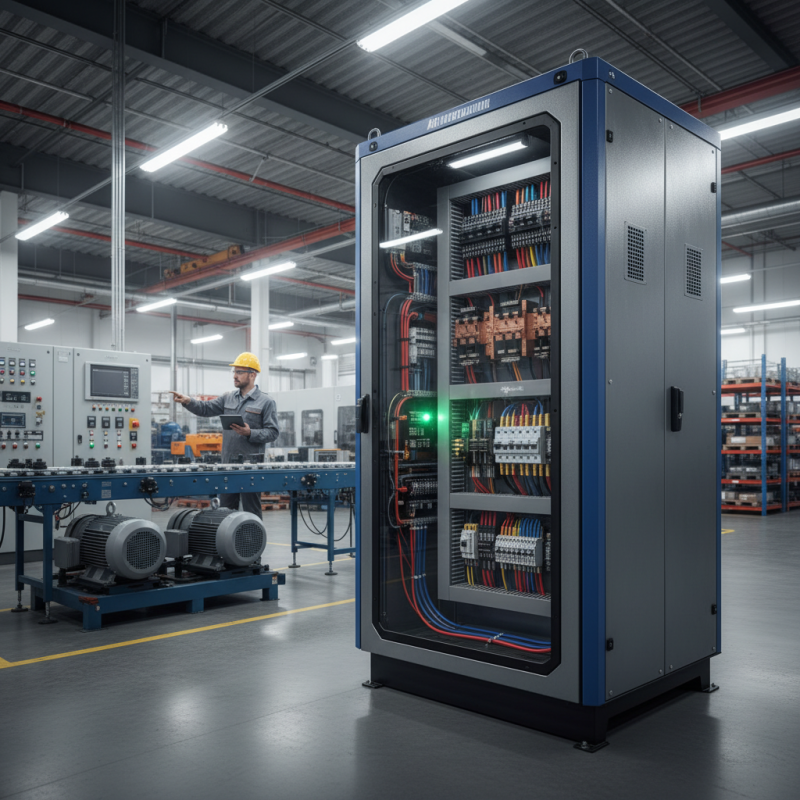
Understanding Power Phase Converters and Their Functionality
Power phase converters play a crucial role in enhancing industrial efficiency. These devices convert single-phase power into three-phase power. This conversion allows machinery designed for three-phase systems to operate in areas lacking such supply. Understanding how these converters function can lead to significant operational improvements.
Many industries report efficiency gains of up to 25% when using phase converters. This boost often results from reduced downtime and improved machinery performance. By converting power types correctly, businesses can ensure proper load sharing across all three phases. Effective usage of phase converters may also extend equipment life. This reduces maintenance costs over time.
Here are a few tips to consider. Ensure that your converter is sized correctly for your load requirements. An undersized converter may lead to overheating and failure. Regular maintenance is also essential; dust and debris can impede performance. Evaluate your phase converter options regularly to keep up with operational needs and technological advancements.
Industrial Efficiency Comparison with Power Phase Converters
This chart illustrates the efficiency gains observed in industrial operations when utilizing power phase converters. Data represents efficiency percentage across various setups.
Types of Power Phase Converters Suitable for Industrial Use
When selecting power phase converters for industrial applications, understanding the various types available is essential. Rotary phase converters are popular for their ability to create three-phase power from single-phase sources. They are efficient and can handle significant loads, making them suitable for heavy machinery. Users often note their reliability in maintaining steady voltage levels, which is crucial in industrial settings.
On the other hand, static phase converters are another option, primarily used for smaller loads. These converters are simpler and more affordable. However, they may not provide the same level of efficiency as rotary types. Users’ experiences show that static converters might struggle with larger motors, leading to potential performance issues. It's crucial to assess your operational needs before making a choice.
Lastly, digital phase converters have become increasingly prominent. They offer advanced features like voltage regulation and remote monitoring. Users appreciate their efficiency and adaptability to different machines. Nonetheless, the initial investment can be a concern. Careful consideration of power requirements and future scalability is paramount when selecting the appropriate converter for your industrial needs.
Key Factors Influencing the Efficiency of Phase Converters
When evaluating the efficiency of phase converters, key factors come into play. The type of phase converter significantly impacts performance. Rotary converters typically offer better balance and output power. However, they require more space and maintenance. Static converters, while compact, may not support heavy loads well. Understanding these differences is crucial for industrial applications.
Another fundamental aspect is load balance. Uneven load distribution can lead to inefficiencies. It may cause overheating or premature wear on equipment. Regular monitoring can help identify imbalances and mitigate risks. Additionally, using a well-calibrated power factor correction system is vital. It can enhance overall efficiency, improving energy use and performance.
Installation practices also influence efficiency. Poor wiring or incorrect configurations can reduce the effectiveness of phase converters. Ensuring proper installation is essential. Regular inspections and maintenance should not be overlooked. Neglecting these aspects can lead to operational issues. This often results in increased downtime and costs. Taking the time to address these factors will enhance long-term operational efficiency.
Tips for Proper Installation and Maintenance of Phase Converters
Proper installation and maintenance of phase converters are essential for maximizing industrial efficiency. Begin by ensuring the converter is rated for your specific motor load. Overloading can lead to overheating and equipment failure. It’s crucial to follow manufacturer guidelines during the setup. Pay close attention to wiring and grounding to prevent electrical issues. Regular inspections are essential, especially on older systems, to identify wear or damage.
Maintenance should not be overlooked. Schedule routine checks to ensure all connections remain tight. Loose connections can lead to voltage drops and operational inefficiencies. Keep the unit clean and free of dust, which can affect cooling and performance. Also, monitor the operating temperature. If it exceeds normal limits, investigate underlying causes promptly. Create a record of maintenance activities to track performance over time.
Some may find it challenging to adhere to a strict maintenance schedule. Yet, neglecting these tasks can result in costly downtime. Balancing operational needs and maintenance can be difficult. Still, ensuring the phase converter functions optimally contributes greatly to overall productivity and reliability in your manufacturing process.
Common Issues and Troubleshooting for Phase Converters in Industry
Phase converters are vital for industries that rely on three-phase power. Yet, operational challenges can hinder efficiency. Common issues often include overheating, incorrect load balancing, and insufficient voltage. According to a report from the National Electrical Manufacturers Association, improper phase converter installation can reduce efficiency by up to 25%. This loss can lead to higher operational costs over time.
Overheating is a prevalent problem. It can be caused by excessive loads or inadequate cooling methods. Regular maintenance checks can catch these issues early. Many operators overlook this aspect, resulting in system failures that could have been prevented with proactive measures. Industry surveys indicate that 40% of users report having experienced significant downtime due to phase converter failures linked to maintenance neglect.
Load balancing is critical. An unbalanced load can strain the converter. This strain can decrease lifespan and efficiency. A simple recalibration might solve the issue. However, procedures are often not documented or overlooked. As a result, valuable time and resources are wasted. Research by the IEEE shows that consistent monitoring can improve reliability by nearly 30%. Regular training for staff can mitigate these risks, ensuring everyone is aware of the best practices.
Power Phase Converter Tips to Boost Your Industrial Efficiency
| Issue | Symptoms | Possible Causes | Troubleshooting Steps | Prevention Tips |
| Voltage Imbalance | Overheating, Equipment Failure | Unequal load distribution | Check load connections, Redistribute loads | Regularly monitor phase loads |
| Excessive Noise | High-pitched Whirling Sounds | Mechanical wear | Inspect bearings and motor mounts | Routine maintenance checks |
| Frequent Tripping | Circuit breakers keep tripping | Short circuit, Overload | Check for short circuits, Reduce load | Install overload protection devices |
| Low Power Output | Underperformance of connected equipment | Faulty converter or connections | Test converter output, Inspect connections | Use quality components during installation |
| Overheating | Smoke, Burn smell | Insufficient cooling, Obstructed airflow | Check airflow paths, Clean cooling vents | Ensure proper ventilation |