In the world of outdoor gear and safety equipment, tubular nylon webbing stands as a critical material. This versatile product is widely used in climbing, rescue operations, and industrial applications. According to a recent market report by Grand View Research, the global webbing market is expected to reach over $2 billion by 2025. This growth underscores the increasing demand for reliable materials like tubular nylon webbing.
Expert insights highlight the unique benefits of this material. Dr. Sarah Thompson, a leading specialist in textile engineering, states, “Tubular nylon webbing offers unmatched strength and flexibility for diverse applications.” This testament emphasizes the performance advantages that have made tubular nylon the material of choice for professionals worldwide.
As we delve into the top ten questions about tubular nylon webbing, it is essential to reflect on its varied applications and potential misconceptions. The industry continues to evolve, and buyers must remain informed about key features and specifications. Understanding these factors not only ensures safety but also enhances performance in critical situations.
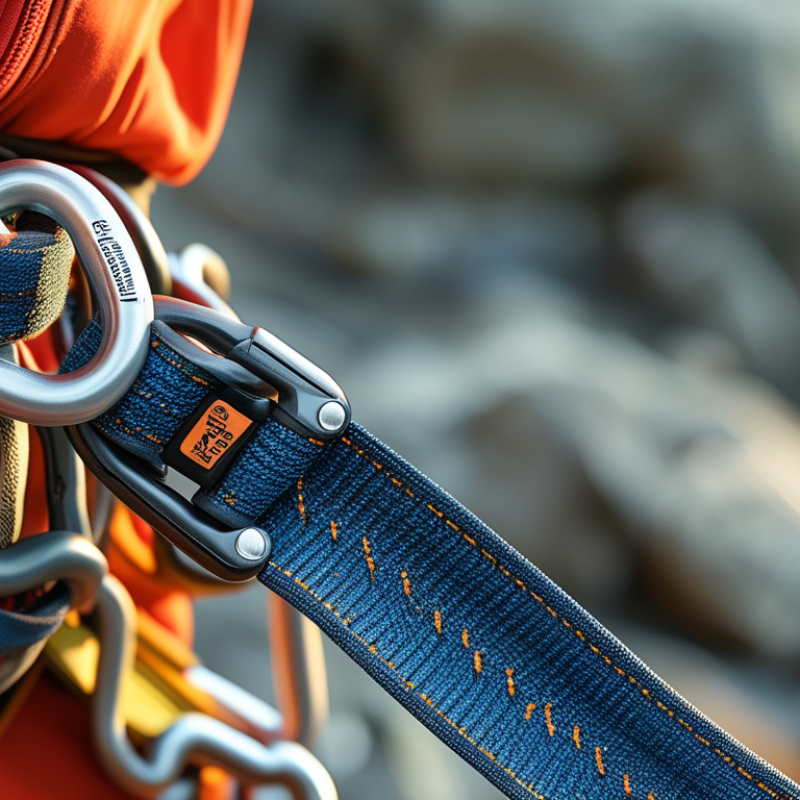
Tubular nylon webbing is a versatile material used in various applications, from climbing to outdoor gear. This type of webbing features a tubular design, offering strength without excessive bulk. It's both lightweight and highly durable, making it a favorite among outdoor enthusiasts. Manufacturers often emphasize its high tensile strength and resistance to abrasion. Yet, not every product meets stringent quality standards, so careful research is necessary when purchasing.
This webbing is available in various widths and colors. Users often appreciate its ability to handle dynamic loads. However, factors such as UV exposure and moisture can weaken its properties over time. It's vital to check specifications and conduct regular inspections. Some buyers may overlook these details, leading to unsafe situations. Always seek webbing marked with relevant certifications. These can provide additional peace of mind in critical scenarios.
Understanding the manufacturing process can also enhance your purchasing decisions. Quality control plays a crucial role in ensuring the webbing’s reliability. Some manufacturers might not adhere to best practices, resulting in inconsistencies. Investigating supplier backgrounds can yield valuable insights. Engaging in detailed conversations with suppliers is essential to clarify any uncertainties regarding the product's uses and limitations.
This chart represents the common inquiries about tubular nylon webbing among global buyers. These questions highlight the key factors buyers consider when evaluating tubular nylon webbing products.
Tubular nylon webbing is a versatile material widely used in various industries. Its unique structure and properties make it an essential choice for many applications. One key feature is its high tensile strength, which allows it to bear heavy loads without breaking. This makes it suitable for climbing, safety harnesses, and rescue equipment. The webbing is also lightweight, making it easy to transport and handle.
Another benefit of tubular nylon webbing is its excellent abrasion resistance. It can withstand rough surfaces and tough environments, making it durable for outdoor use. The material is also resistant to UV light, ensuring longevity even under harsh sunlight. Additionally, tubular nylon webbing is flexible, allowing for easy maneuverability. This flexibility can sometimes lead to concerns about stability in critical applications. Buyers should test it in their specific settings.
Despite these advantages, choosing the right webbing can be challenging. Not all types are suitable for every task. Interested buyers need to consider load ratings and safety standards. Engaging with knowledgeable suppliers can help clarify these issues. The appeal of tubular nylon webbing lies in its balance between strength and adaptability. However, making informed decisions is essential for ensuring both safety and functionality.
| Question | Key Features | Benefits |
|---|---|---|
| 1. What is tubular nylon webbing? | Soft, flexible, and strong nylon material | Ideal for various applications including climbing, rescue, and dog leashes |
| 2. What are the typical uses of tubular nylon webbing? | Climbing, boating, camping, and harness making | Versatile for outdoor and safety equipment |
| 3. How strong is tubular nylon webbing? | High tensile strength up to several thousand pounds | Provides safety and reliability in demanding situations |
| 4. Is tubular nylon webbing weather resistant? | Yes, it resists UV light and moisture | Durable for outdoor use regardless of weather conditions |
| 5. What are the color options available? | Available in a wide range of colors | Customizable for branding or personal preference |
| 6. How is tubular nylon webbing cared for? | Machine washable and easy to maintain | Simplifies upkeep, extending lifespan of the product |
| 7. What is the width range available? | Typically ranges from 0.5 inches to 2 inches | Flexibility to choose based on specific requirements |
| 8. Can it be cut to custom lengths? | Yes, it can be easily cut | Allows for tailored solutions for various projects |
| 9. What is the typical tensile strength rating? | Ranges from 4000 lbs to 7000 lbs | Ensures safety in high-stress applications |
| 10. What certifications should buyers look for? | Look for compliance with industry standards (e.g., UIAA, CE) | Guarantees quality and safety assurance |
Tubular nylon webbing is highly regarded in various industries for its strength and versatility. In the climbing and outdoor recreation sectors, webbing is essential. It supports loads and ensures safety during climbs. According to a report by the Outdoor Industry Association, the climbing equipment market was valued at $1.4 billion in 2022, and tubular nylon webbing is a crucial component.
In the manufacturing sector, tubular nylon webbing is employed for securing loads. Its resistance to abrasion makes it favorable in logistics. A study by the International Society of Logistics reported that 35% of logistics companies prefer nylon webbing for cargo securement due to its durability. This choice enhances safety and reduces damages during transport.
Healthcare also benefits from tubular nylon webbing. Hospitals use it for medical devices. Its lightweight yet strong nature makes it ideal for slings and safety harnesses. The American Hospital Association noted a 20% increase in the adoption of nylon-based solutions in patient care equipment. This trend underscores the importance of reliable materials in critical settings.
When sourcing tubular nylon webbing globally, several factors are essential. First, understand the material properties. Tubular nylon is strong yet lightweight. It resists abrasion and UV rays, making it popular for outdoor applications. Check the webbing's tensile strength. Ensure it meets the specific demands of your projects.
Consider the manufacturing process. Some manufacturers may cut corners, impacting quality. Research suppliers thoroughly. Look for those with a solid reputation in the industry. Review their certifications and production standards. It’s crucial to ensure they follow best practices.
Pricing can be tricky. While cheaper options may be tempting, they might not always deliver quality. Ask for samples before making bulk purchases. This can help evaluate the durability and performance of the product. Additionally, consider shipping costs and lead times. These factors often influence the total expense. Always communicate clearly with suppliers to avoid misunderstandings.
Tubular nylon webbing is widely used in various applications. Proper maintenance and storage are vital for its longevity and performance. According to a report by the International Fabric Association, regular inspection can extend the lifespan of webbing by up to 30%. It is essential to store webbing in a cool, dry place away from direct sunlight. Ultraviolet rays can degrade nylon fibers, reducing their strength significantly.
When it comes to cleaning, using mild soap and water is recommended. Soaking the webbing for a short time helps remove dirt and grime. Avoid harsh chemicals, as these can weaken the material. After cleaning, air-drying is crucial. High temperatures from dryers can lead to shrinkage and loss of tensile strength. A study highlighted that improper drying methods can decrease webbing effectiveness by nearly 25%.
In addition to cleaning, regular usage checks are vital. Look for signs of wear or fraying. This proactive approach is essential for safety, especially in applications involving life support systems. A report from the Safety Gear Institute indicated that nearly 15% of accidents occur due to neglected equipment. Awareness of these factors can enhance both safety and performance.
Phone: (256) 845-1255 or (256) 845-4493
Fax: (256) 845-1321 or (256) 845-4468
© 2025 Heritage Wire Harness, LLC