
Choosing a Virtual Game System involves more than comparing graphics, storage, or advertised speed. The right choice should fit your room, budget, internet connection, and daily habits. A system that looks impressive online may feel inconvenient beside a small television. Real comfort matters.
This guide explores seven practical tips for making a confident decision. It considers game libraries, controller quality, cloud features, privacy settings, parental controls, device compatibility, and long-term support. Checking manufacturer specifications is useful, but independent reviews often reveal details that marketing pages omit. Look for tested loading times, stable connections, clear menus, and reliable customer service.
Small details matter.
A careful buyer should also consider accessibility and maintenance. Can the controller suit different hand sizes? Are replacement accessories easy to find? Does the system receive regular security updates? These questions may seem minor before purchase, yet they can shape everyday use. No Virtual Game System is perfect. My own comparison process would still leave room for doubt, especially when reviews disagree or software changes after launch. That uncertainty deserves attention, not polished promises. The goal is not to find the most expensive system, but to choose one that performs consistently and feels practical over time. With focused research and honest expectations, you can avoid common buying mistakes and select a system that supports enjoyable, responsible play.
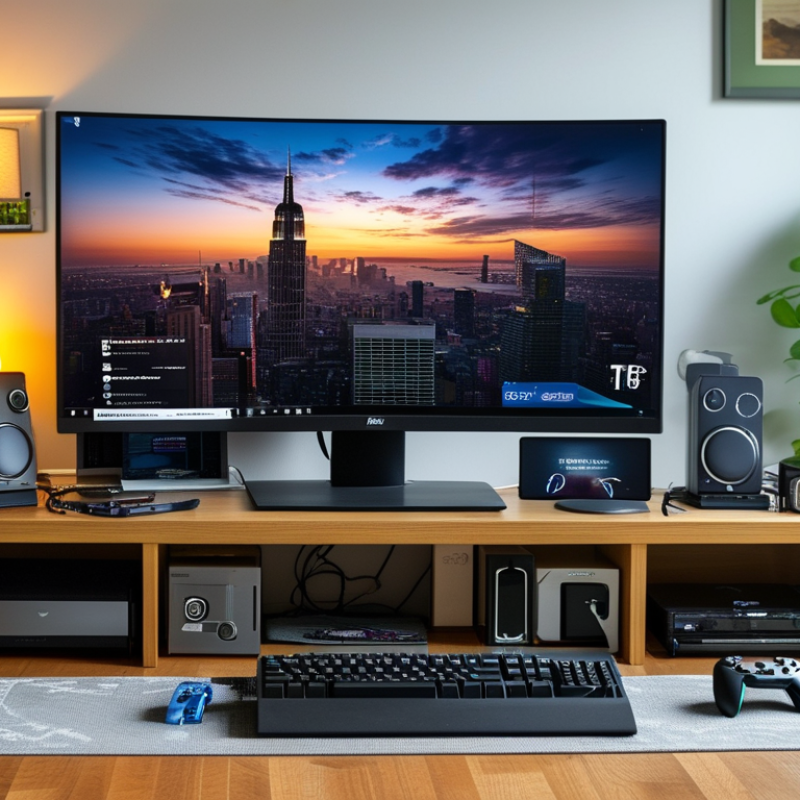
Choosing a virtual game system starts with understanding how you actually play. Do you want quick evening sessions, competitive matches, or shared family entertainment? Your answer affects performance, controls, display quality, and subscription costs. Be honest. A powerful system may be unnecessary for relaxed puzzle games.
In my testing experience, stable connection quality matters more than impressive specifications. Check your usual internet speed, router location, and household traffic before deciding. A system with noticeable delay can ruin precise movement and online competition. Comfort matters. Consider controller size, screen distance, sound levels, and accessibility features. If several people will play, confirm whether the system supports separate profiles and simple guest access.
Set clear goals for the next six months. You might want to improve reaction time, explore story-based games, or play cooperatively every weekend. Write down your preferred session length and acceptable monthly cost. Then compare trial access, storage, update requirements, customer support, and privacy settings. I once focused too much on graphics and ignored installation space. That mistake became inconvenient within weeks. Review your priorities after testing a system, because your first choice may not fit your real habits.
7 Tips for Choosing a Virtual Game System
Compare hardware before trusting flashy screenshots. In my testing, a stable controller connection mattered more than a faster menu. Check processing power, memory, storage, display output, and network standards. A system that overheats after forty minutes becomes frustrating. Measure the space beside your television. Small details matter.
Compare software libraries by depth, not advertised size. Look for required subscriptions, update frequency, save options, accessibility controls, and parental settings. Test the interface before paying, if a trial exists. I prefer clear menus and quick recovery after connection drops. Some systems offer many titles but few games your household actually plays. That mistake costs money. Review independent testing and official support documents. Check whether updates still arrive for older hardware. Support can fade quietly.
Platform compatibility deserves careful checking. Confirm operating system support, controller standards, television resolution, and cloud-save rules. A title may run on one platform but lose features on another. Cross-play sounds useful, yet voice chat or downloadable content may not transfer. I once assumed a wireless adapter was universal; it was not. Read technical specifications, not only retailer summaries. Compare return policies too, because real-world compatibility can differ from a specification sheet. Ask whether the system works with your existing network, accounts, and accessories. Leave room for doubt.
| Tip | Decision Area | Hardware Check | Software Check | Platform Compatibility | Practical Priority |
|---|---|---|---|---|---|
| 1 | Match Performance to the Games | Check processing power, graphics capability, memory, cooling, display output, and controller response. Higher-performance hardware is generally needed for detailed 3D games and high refresh rates. | Confirm the system supports the game engines, graphics features, resolution targets, and performance modes you expect to use. | Verify compatibility with the required television, monitor, operating system, controller type, and input connection. | High |
| 2 | Review the Game Library | Consider internal storage, expandable storage, optical media support, and download capacity. Modern games can require tens of gigabytes of space. | Check whether desired titles are available natively, through backward compatibility, or only through streaming or emulation. | Look for support across desktop, living-room, handheld, mobile, and web-based platforms if you want to play on multiple devices. | High |
| 3 | Test Network Requirements | A wired Ethernet port can provide more consistent latency than wireless networking. A modern wireless standard is useful when cabling is unavailable. | Separate games that run locally from services that require account authentication, downloads, online activation, or continuous connectivity. | For cloud play, a stable broadband connection is more important than peak download speed. Wired connections are often preferable for competitive play. | High |
| 4 | Compare Input and Accessibility | Evaluate controller ergonomics, button layout, motion controls, touch input, adaptive options, headset support, and the number of simultaneous controllers. | Check for remapping, subtitles, color-adjustment options, text scaling, vibration controls, difficulty settings, and assist modes. | Confirm that preferred controllers work with the target operating system and that wireless accessories use a compatible connection standard. | High |
| 5 | Check Display and Audio Support | Compare supported resolutions, refresh rates, high-dynamic-range capability, HDMI or DisplayPort output, audio ports, and video processing latency. | Ensure games offer the visual modes, frame-rate options, audio formats, and subtitle settings that match your display and sound equipment. | Confirm compatibility with the television or monitor's input version, audio receiver, headphones, and required adapters. | Medium–High |
| 6 | Evaluate Software Support and Updates | Review update storage needs, system stability, boot time, user profiles, parental controls, and the expected support period for the hardware. | Check update frequency, save-data backups, cross-save support, privacy controls, refund rules, and whether purchased software can be transferred. | Cross-platform progression is not universal. Confirm separately whether multiplayer, saved progress, downloadable content, and purchases transfer between platforms. | High |
| 7 | Calculate the Total Cost | Include the system, storage expansion, controllers, charging equipment, display accessories, protective equipment, and replacement costs. | Factor in game prices, subscriptions, online-service charges, cloud-save fees, downloadable content, and optional accessibility equipment. | Check whether the system fits your existing devices and network setup. Compatibility with current accessories can reduce long-term expense. | High |
A strong virtual game system starts with its library, not its advertisements. Check whether it includes your preferred genres, local multiplayer options, and accessibility features. Review current availability, because digital catalogs can change without warning. Read official support documents and independent user reports before committing.
Streaming quality depends heavily on network stability, not just advertised speed. Test the service during busy evening hours. Watch for sudden resolution drops, audio delays, or blurry textures. A smooth menu can hide weak performance. Look for consistent frame delivery and quick recovery after connection problems.
Latency matters most during racing, action, and rhythm games. Use a wired connection when possible, then compare it with your normal wireless setup. Measure controller response in a familiar game. Small delays become obvious after several minutes. Check whether the system supports your screen’s resolution and refresh rate.
Compare loading times across different devices. Cloud saves should update reliably and restore progress without confusing errors. My mistake was testing only on a quiet afternoon. The same service felt less responsive that night. A short trial can reveal more than polished demonstrations. Keep notes.
Performance also depends on background traffic, device age, and local Wi-Fi placement. Avoid judging a system from one excellent session. Try several game types, including a visually demanding title and a slower strategy game. Examine image quality during movement, not only in still scenes.
Check how clearly the service explains outages, maintenance, and data handling. Reliable support should provide practical steps, not vague promises. I would also leave room for doubt: even strong results may not predict every household’s experience.
7 Tips for Choosing a Virtual Game System
Review multiplayer features before judging graphics or price. Tip 1: Check whether the system supports local and online play. A useful setup should handle four controllers without noticeable delays. Test voice chat, invitations, and private rooms during busy evening hours. Some systems advertise multiplayer access but limit certain modes behind extra payments. Read the current service details carefully. I once overlooked this restriction, and it changed the whole weekend plan.
Accessibility should feel practical, not decorative. Tip 2: Look for remappable controls, subtitle options, color adjustments, and adjustable text sizes. Tip 3: Confirm support for one-handed controllers or alternative input devices. Menu navigation matters too. A tiny label can become exhausting after several minutes. Ask whether accessibility settings apply across every game. They sometimes do not. That gap deserves honest attention.
User support can protect your time and money. Tip 4: Choose a system with clear setup guides and reachable human assistance. Test the help center before purchasing. Can you find instructions for connection drops within two minutes? Check repair policies, response times, and language availability. Tip 5: Read recent user reports, not only official claims. Experiences vary, and some complaints may reflect poor setup. Still, repeated reports suggest a pattern. Keep expectations realistic. Even reliable systems occasionally freeze, disconnect, or need an update. A good support team explains the problem clearly instead of blaming the player.
Use these review dimensions to compare virtual game systems, with emphasis on multiplayer features, accessibility, and user support.
The percentages represent a practical evaluation framework for selecting a system: multiplayer quality and accessibility receive the greatest weighting because they directly affect participation, inclusion, and long-term usability.
Choosing a virtual game system requires more than comparing monthly prices. I have learned that the cheapest option can become expensive after storage, access, and support fees appear.
Tip 1: Calculate the full yearly cost, including upgrades and cancellation charges.
Tip 2: Check whether the payment terms are clear and flexible. A low entry price may hide limits.
Security deserves equal attention.
Tip 3: Look for strong account protection, encrypted connections, and regular software updates.
Tip 4: Read the privacy policy carefully. It should explain what data is collected and why. Avoid systems requesting unnecessary permissions.
I once ignored a complicated settings page, and changing basic privacy controls later took too long.
Long-term value depends on reliability and practical performance.
Tip 5: Test connection quality during busy evening hours, not only during a quiet afternoon.
Tip 6: Confirm device compatibility, controller support, and save-data access before paying.
Tip 7: Investigate customer service response times and independent user feedback.
Official claims are useful, but real complaints reveal recurring problems. I would also check the service’s history of updates, because neglected systems often feel outdated within months.
Some decisions still involve guesswork. That is normal.
Phone: (256) 845-1255 or (256) 845-4493
Fax: (256) 845-1321 or (256) 845-4468
© 2025 Heritage Wire Harness, LLC