Top 10 Cnc Milling Machines for Global Buyers to Consider?
In the ever-evolving landscape of manufacturing, choosing the right Cnc Milling Machine can seem daunting. Industry expert John Smith, a renowned figure in machining technology, once stated, “Investing in the right Cnc Milling Machine is crucial for precision and efficiency.” His perspective highlights the importance of understanding the unique needs of your operations.
The global market is flooded with options. Each Cnc Milling Machine boasts different features, capabilities, and price points. Buyers need to consider their specific requirements before making a decision. Are you looking for compact solutions or high-speed performance? The choices can be overwhelming, and not every machine is suitable for every task.
In reviewing the top machines, it’s essential to weigh the brands’ reliability and performance. Some machines may excel in one area but fall short in another important aspect. Potential buyers often overlook these nuances. A careful evaluation can lead to better investment and production outcomes. Attention to detail is vital.
Overview of CNC Milling Machines and Their Applications
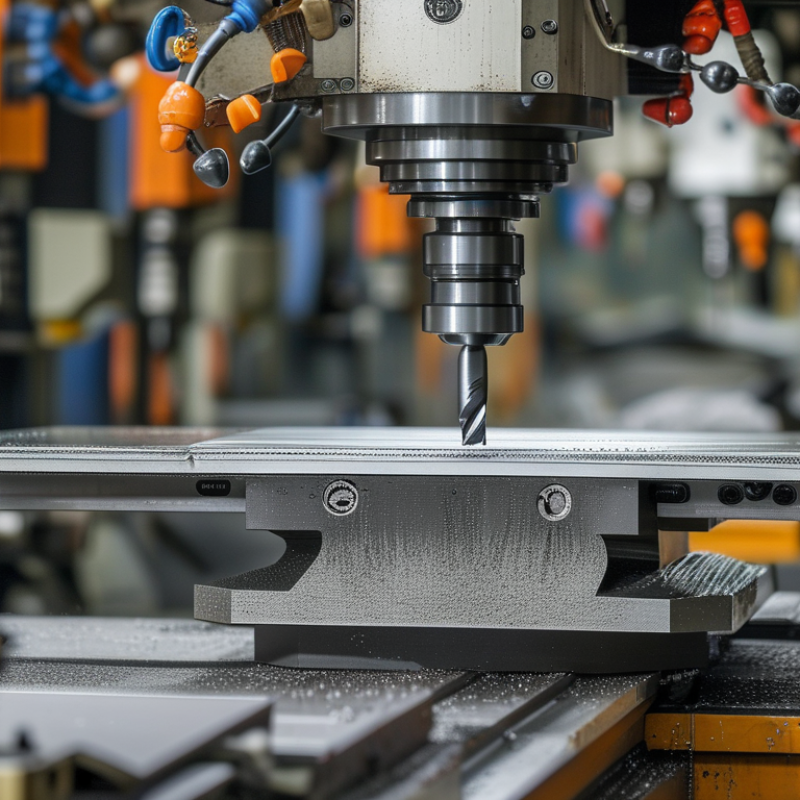
CNC milling machines are essential tools in modern manufacturing. They automate the process of cutting and shaping materials. Their precision allows for the production of intricate parts used across various industries. These machines are employed in aerospace, automotive, and medical sectors, among others. They can work with metals, plastics, and composites, providing versatility in production.
Despite their advanced technology, CNC milling machines come with challenges. Proper maintenance is crucial to ensure long-lasting performance. Operators must be skilled and knowledgeable, as mistakes can lead to costly errors. Additionally, the initial investment can be significant, which may deter small businesses.
Understanding the application of CNC milling machines requires an exploration of their features. Various types exist, from vertical to horizontal mills, each suitable for different tasks. Some machines offer multi-axis capabilities, enhancing their efficiency. As technology evolves, new innovations are introduced, making it essential for buyers to stay informed and adaptable.
Key Features to Consider When Selecting a CNC Milling Machine
When selecting a CNC milling machine, several key features should be prioritized. Stability and rigidity are paramount. Machines with robust construction can ensure precision and reduce vibrations. A report from Market Research Future indicates that high rigidity can enhance the life span of cutting tools by up to 30%. This can lead to significant cost savings over time.
In addition to stability, consider the machine's versatility. A broader range of tooling options allows for more complex projects. A study by Technavio revealed that companies using versatile CNC machines increased production efficiency by 25%. It’s essential to assess the machine's software integration as well. User-friendly interfaces can streamline operations and reduce the learning curve for new operators. Complex software often leads to misunderstandings and errors during production.
Furthermore, pay attention to the machine's serviceability. Easy access for repairs is crucial. Downtime can cost companies various amounts depending on their output rates. An overview from industry analysts suggests that unplanned downtime can reduce overall productivity by 10-20%. Selecting a machine with robust support and service options is vital for long-term reliability. Each feature plays a role, and making informed decisions based on these aspects can significantly impact efficiency and effectiveness.
Top 10 CNC Milling Machines for Global Buyers to Consider
| Machine Type | Max Table Load (kg) | Max Spindle Speed (RPM) | Travel Distance (X/Y/Z in mm) | Control System | Price Range (USD) |
| Vertical CNC Mill | 300 | 8000 | 1000/500/500 | Fanuc | $25,000 - $35,000 |
| Horizontal CNC Mill | 500 | 10000 | 1200/800/600 | Siemens | $40,000 - $60,000 |
| 5-Axis CNC Mill | 400 | 12000 | 800/600/400 | Heidenhain | $80,000 - $120,000 |
| CNC Router | 200 | 24000 | 1300/900/200 | Mach3 | $15,000 - $25,000 |
| Compact CNC Mill | 150 | 6000 | 600/400/300 | G-code compatible | $10,000 - $20,000 |
| Benchtop CNC Mill | 50 | 5000 | 500/300/200 | Custom | $5,000 - $10,000 |
| Heavy-Duty CNC Mill | 1000 | 5000 | 1500/1000/800 | Fanuc | $60,000 - $100,000 |
| Precision CNC Mill | 300 | 12000 | 1000/600/400 | Heidenhain | $45,000 - $70,000 |
| Router-Mill Hybrid | 300 | 24000 | 1000/800/500 | Siemens | $30,000 - $50,000 |
Top 10 CNC Milling Machines: In-Depth Reviews and Comparisons
Choosing the right CNC milling machine can be daunting. With so many options available, it's crucial to understand what suits your needs best. This blog offers an in-depth review of ten milling machines that stand out in various aspects of performance, reliability, and user-friendliness.
When evaluating machines, consider their build quality and precision. Machines with sturdy frames and robust components tend to yield better results. Look for models that offer easy maintenance and accessible parts. Having the right tools and replacement parts ensures minimal downtime, an essential factor for productivity.
Tip: Before making an investment, read real user reviews. Feedback from operators provides valuable insights into long-term performance.
It’s vital to note that features like speed and versatility can heavily influence your workload. Sometimes, lower-priced models seem appealing, but they might lack the durability you need. Reflect on whether short-term savings outweigh potential future costs.
Tip: Always opt for user-friendly interfaces. Complicated setups can lead to frustration and decrease overall efficiency. Prioritizing ease of use can enhance your machining experience.
Assess each machine not just for its initial appeal, but for its long-term viability. Remaining informed about advancements in technology can help you make the best choice. Think critically about your specific requirements to ensure a good match.
Price Ranges and Budget Considerations for CNC Milling Machines
When exploring CNC milling machines, price is a significant factor to consider. CNC milling machines vary widely in costs. Basic models can be found starting at a few thousand dollars. More advanced machines may range upwards of $100,000. The features and capabilities determine these price points. Buyers need to prioritize their needs based on project requirements.
Budget considerations play a crucial role in decision-making. For small shops, affordable options often suffice. These machines may have limited precision but can handle basic tasks. Larger manufacturers might require high-performance equipment. Investing in advanced technology can enhance productivity and accuracy. However, budget constraints can limit choices. Buyers must weigh cost against functionality carefully.
It's essential to strike a balance. Sometimes, a lower-priced model may lack essential features. This could lead to inefficiencies later. Conversely, overspending can strain finances. Researching different options and understanding long-term costs is vital. Buyers should seek machines that offer a good balance between price and performance. This enhances operational capabilities and ensures value for money.
Tips for After-Sales Support and Maintenance of CNC Milling Machines
Maintaining CNC milling machines is crucial for their longevity and performance. Regular maintenance helps prevent unexpected breakdowns. Buyers should focus on the manufacturer's after-sales support. A responsive support team can save time and reduce frustration. Accessibility of spare parts becomes essential, as delays can halt production.
Routine checks, like lubrication and cleaning, are necessary. Many users overlook these tasks. Ignoring them can lead to increased wear and tear. Operators should follow a scheduled maintenance plan. Documenting these practices helps in keeping track of the machine’s health.
User training enhances machine efficiency. Experienced operators can identify issues early. Providing access to training resources and manuals is beneficial. However, not every company prioritizes this aspect. Investing in human resources is just as critical as the machines themselves. This approach ensures the longevity of the CNC milling operation.